Koniugacja menear Czas przeszły niedokonany
menear — to wag
Meneaba, meneabas, meneaba, meneábamos, meneabais, meneaban for ongoing or habitual past actions.
Formy menear Czas przeszły niedokonany
Kiedy używać Czas przeszły niedokonany
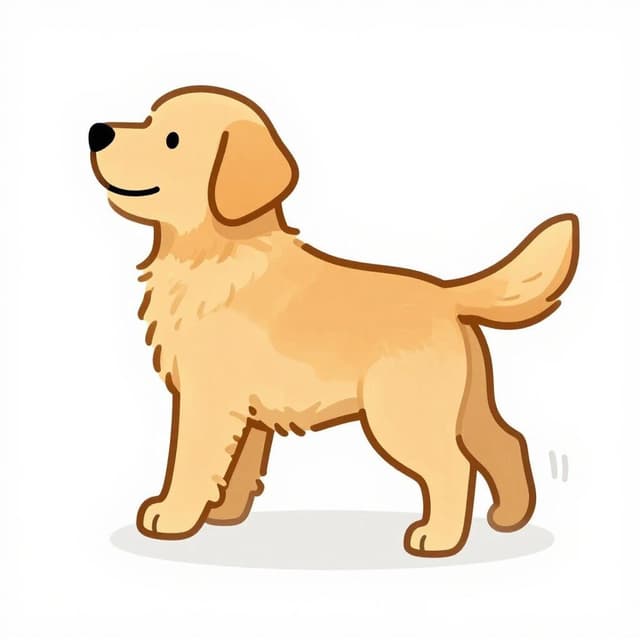
Use the imperfect tense for actions of 'menear' that were ongoing or habitual in the past. It describes background actions or states, like a dog *used to* wag its tail or someone *was stirring* the pot.
Uwagi dotyczące menear w czasie Czas przeszły niedokonany
Menear is regular in the imperfect tense. The endings are standard for -ar verbs in this tense.
Przykładowe zdania
El perro siempre meneaba la cola cuando jugábamos.
The dog always used to wag its tail when we played.
él/ella/usted
Mientras tú meneabas la sopa, yo cortaba las verduras.
While you were stirring the soup, I was chopping the vegetables.
tú
Cuando éramos niños, meneábamos la cabeza con curiosidad.
When we were kids, we used to nod our heads with curiosity.
nosotros
Ellos meneaban la cabeza, pero no entendían.
They were nodding their heads, but they didn't understand.
ellos/ellas/ustedes
Częste błędy
Błąd: Using the preterite 'meneó' for an ongoing or habitual past action.
Poprawnie: Use the imperfect 'meneaba' for descriptions or repeated actions in the past.
Dlaczego: The imperfect describes the scene or habit, while the preterite focuses on a completed event.
Błąd: Confusing the 'yo' and 'él/ella/usted' forms.
Poprawnie: Both are 'meneaba', but context clarifies who is performing the action.
Dlaczego: These forms are identical, so rely on the subject pronoun or context.
Opanuj hiszpańskie czasowniki w kontekście
Zapamiętywanie tabel to dopiero początek. Przeczytaj ponad 200 ilustrowanych i udźwiękowionych hiszpańskich historii, aby zobaczyć czasowniki takie jak 'menear' używane naturalnie — w czasach, których się uczysz.
Powiązane czasy
Czas teraźniejszy
yo: meneo
Meneo, meneas, menea, meneamos, meneáis, menean for actions happening now or habitually.
Czas przeszły prosty
yo: meneé
Meneé, meneaste, meneó, meneamos, meneasteis, menearon for completed actions in the past.
Czas przyszły
yo: menearé
Menearé, menearás, meneará, menearémos, menearéis, menearán for future actions or probability.
Tryb warunkowy
yo: menearía
Menearía, menearías, menearía, menearíamos, menearíais, menearían for hypotheticals ('would').
Tryb Subj. teraźniejszy
yo: menee
Menee/menees/menee/meneemos/meneéis/meneen after wishes, doubts, emotions, or uncertainty.
Tryb Subj. przeszły niedokonany
yo: meneara
Meneara/menearas/meneara/menearamos/menearais/menearan for past hypotheticals or wishes.
Tryb rozkazujący (twierdzący)
yo: menea
Menea, menean, menea, meneemos, menean, menea for direct commands.
Tryb rozkazujący (przeczący)
yo: no menees
No menean, no menees, no menee, no meneemos, no meneéis, no meneen for negative commands.