Koniugacja menear Czas teraźniejszy
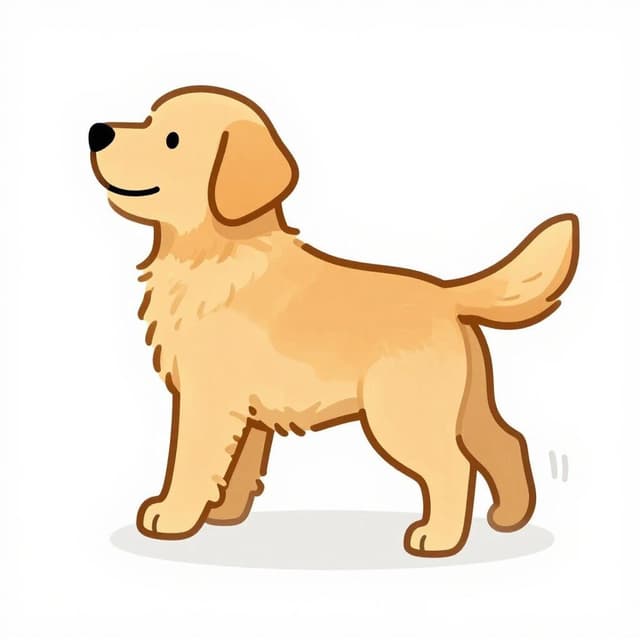
menear — to wag
Meneo, meneas, menea, meneamos, meneáis, menean for actions happening now or habitually.
Formy menear Czas teraźniejszy
Kiedy używać Czas teraźniejszy
Use the present tense for actions of 'menear' happening right now, or for things that happen regularly. It can describe a dog wagging its tail habitually or someone stirring ingredients at this moment.
Uwagi dotyczące menear w czasie Czas teraźniejszy
Menear is regular in the present tense. The conjugation follows the standard pattern for -ar verbs.
Przykładowe zdania
Mi perro siempre menea la cola cuando llego a casa.
My dog always wags its tail when I get home.
él/ella/usted
¿Meneas el café con azúcar?
Do you stir the coffee with sugar?
tú
Ahora meneamos la pintura para que no se seque.
Now we are stirring the paint so it doesn't dry out.
nosotros
Los niños menean la cabeza al ritmo de la música.
The children nod their heads to the rhythm of the music.
ellos/ellas/ustedes
Częste błędy
Błąd: Using 'estar' + infinitive for habitual actions.
Poprawnie: Use the simple present 'menean' for habitual actions: 'Ellos menean la cabeza'.
Dlaczego: While 'estar' + gerund is for actions in progress, the simple present covers habitual actions.
Błąd: Confusing 'tú' and 'usted' forms.
Poprawnie: Remember 'meneas' for 'tú' and 'menea' for 'usted'.
Dlaczego: Spanish distinguishes between informal and formal address.
Opanuj hiszpańskie czasowniki w kontekście
Zapamiętywanie tabel to dopiero początek. Przeczytaj ponad 200 ilustrowanych i udźwiękowionych hiszpańskich historii, aby zobaczyć czasowniki takie jak 'menear' używane naturalnie — w czasach, których się uczysz.
Powiązane czasy
Czas przeszły prosty
yo: meneé
Meneé, meneaste, meneó, meneamos, meneasteis, menearon for completed actions in the past.
Czas przeszły niedokonany
yo: meneaba
Meneaba, meneabas, meneaba, meneábamos, meneabais, meneaban for ongoing or habitual past actions.
Czas przyszły
yo: menearé
Menearé, menearás, meneará, menearémos, menearéis, menearán for future actions or probability.
Tryb warunkowy
yo: menearía
Menearía, menearías, menearía, menearíamos, menearíais, menearían for hypotheticals ('would').
Tryb Subj. teraźniejszy
yo: menee
Menee/menees/menee/meneemos/meneéis/meneen after wishes, doubts, emotions, or uncertainty.
Tryb Subj. przeszły niedokonany
yo: meneara
Meneara/menearas/meneara/menearamos/menearais/menearan for past hypotheticals or wishes.
Tryb rozkazujący (twierdzący)
yo: menea
Menea, menean, menea, meneemos, menean, menea for direct commands.
Tryb rozkazujący (przeczący)
yo: no menees
No menean, no menees, no menee, no meneemos, no meneéis, no meneen for negative commands.