Koniugacja menear Tryb Subj. przeszły niedokonany
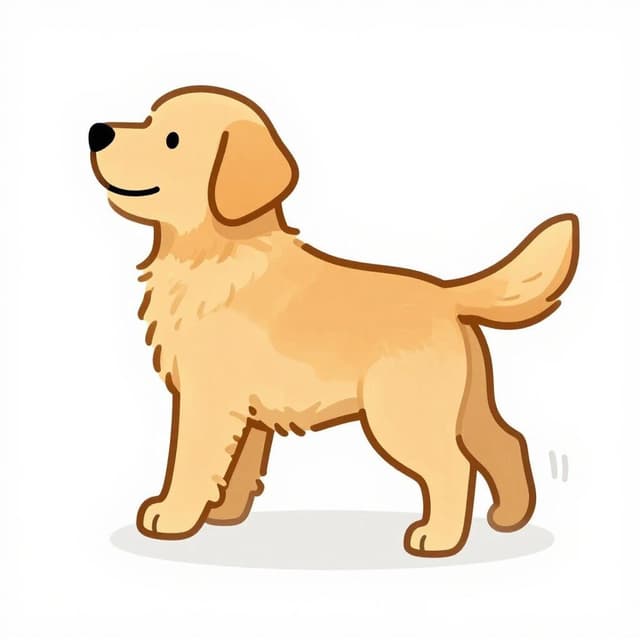
menear — to wag
Meneara/menearas/meneara/menearamos/menearais/menearan for past hypotheticals or wishes.
Formy menear Tryb Subj. przeszły niedokonany
Kiedy używać Tryb Subj. przeszły niedokonany
Use the imperfect subjunctive after phrases expressing doubt, desire, or emotion in the past. It's also common in 'if' clauses referring to unreal or unlikely situations in the past.
Uwagi dotyczące menear w czasie Tryb Subj. przeszły niedokonany
Menear is regular in the imperfect subjunctive. Both the -ra and -se forms exist, but the -ra form (e.g., 'meneara') is more common in everyday speech.
Przykładowe zdania
Quería que menearas la sopa, pero no lo hiciste.
I wanted you to stir the soup, but you didn't.
tú
Si yo meneara la cola cada vez que te veo, ¡sería un caos!
If I wagged my tail every time I saw you, it would be chaos!
yo
Dudaba que ellos menearan la cabeza en señal de acuerdo.
I doubted they would nod their heads in agreement.
ellos/ellas/ustedes
Sería bueno si meneáramos el árbol con más cuidado.
It would be good if we shook the tree more carefully.
nosotros
Częste błędy
Błąd: Using the imperfect indicative instead of the imperfect subjunctive.
Poprawnie: For hypothetical or uncertain past situations, use forms like 'meneara' or 'menearas'.
Dlaczego: The subjunctive mood is required to express doubt, desire, or unreal conditions.
Błąd: Forgetting the accent on the 'nosotros' form.
Poprawnie: The 'nosotros' form is 'meneáramos', with the accent on the 'a'.
Dlaczego: The accent is necessary to maintain the correct stress pattern for this verb ending.
Opanuj hiszpańskie czasowniki w kontekście
Zapamiętywanie tabel to dopiero początek. Przeczytaj ponad 200 ilustrowanych i udźwiękowionych hiszpańskich historii, aby zobaczyć czasowniki takie jak 'menear' używane naturalnie — w czasach, których się uczysz.
Powiązane czasy
Czas teraźniejszy
yo: meneo
Meneo, meneas, menea, meneamos, meneáis, menean for actions happening now or habitually.
Czas przeszły prosty
yo: meneé
Meneé, meneaste, meneó, meneamos, meneasteis, menearon for completed actions in the past.
Czas przeszły niedokonany
yo: meneaba
Meneaba, meneabas, meneaba, meneábamos, meneabais, meneaban for ongoing or habitual past actions.
Czas przyszły
yo: menearé
Menearé, menearás, meneará, menearémos, menearéis, menearán for future actions or probability.
Tryb warunkowy
yo: menearía
Menearía, menearías, menearía, menearíamos, menearíais, menearían for hypotheticals ('would').
Tryb Subj. teraźniejszy
yo: menee
Menee/menees/menee/meneemos/meneéis/meneen after wishes, doubts, emotions, or uncertainty.
Tryb rozkazujący (twierdzący)
yo: menea
Menea, menean, menea, meneemos, menean, menea for direct commands.
Tryb rozkazujący (przeczący)
yo: no menees
No menean, no menees, no menee, no meneemos, no meneéis, no meneen for negative commands.