Koniugacja mirar Tryb warunkowy
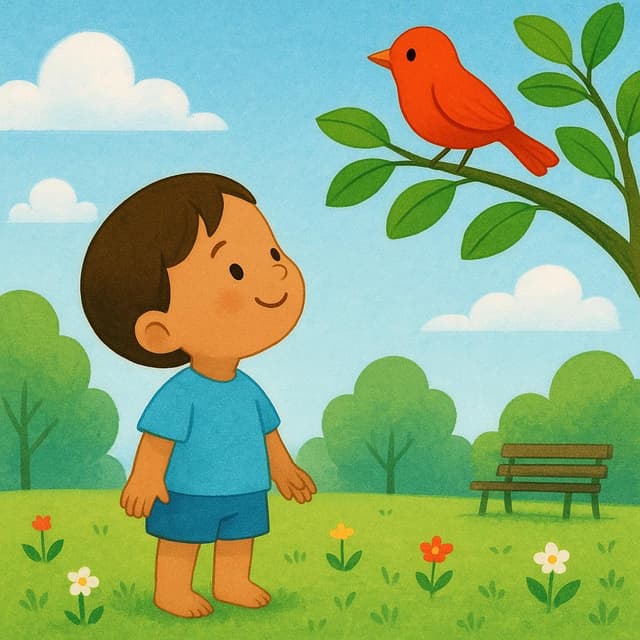
mirar — to look at
The conditional of mirar is regular: miraría, mirarías, miraría, miraríamos, miraríais, mirarían.
Formy mirar Tryb warunkowy
Kiedy używać Tryb warunkowy
Use the conditional to express what you 'would' look at or watch under certain circumstances, or to make a polite suggestion about looking at something.
Uwagi dotyczące mirar w czasie Tryb warunkowy
Mirar is regular in the conditional. Every form has an accent on the 'í' of the ending.
Przykładowe zdania
Si tuviera tiempo, miraría la serie completa.
If I had time, I would watch the whole series.
yo
¿Mirarías este documento por mí?
Would you look at this document for me?
tú
Ellos mirarían el coche si estuviera en venta.
They would look at the car if it were for sale.
ellos/ellas/ustedes
Częste błędy
Błąd: Confusing conditional with the imperfect 'miraba'.
Poprawnie: Use 'miraría' for 'would' and 'miraba' for 'used to'.
Dlaczego: Learners sometimes mix up these two past-leaning tenses because both can translate to 'would' in certain English contexts.
Opanuj hiszpańskie czasowniki w kontekście
Zapamiętywanie tabel to dopiero początek. Przeczytaj ponad 200 ilustrowanych i udźwiękowionych hiszpańskich historii, aby zobaczyć czasowniki takie jak 'mirar' używane naturalnie — w czasach, których się uczysz.
Powiązane czasy
Czas teraźniejszy
yo: miro
The present tense of mirar is regular: miro, miras, mira, miramos, miráis, miran.
Czas przeszły prosty
yo: miré
The preterite of mirar is regular: miré, miraste, miró, miramos, mirasteis, miraron.
Czas przeszły niedokonany
yo: miraba
The imperfect of mirar uses the regular -aba endings: miraba, mirabas, miraba, mirábamos, mirabais, miraban.
Czas przyszły
yo: miraré
The future tense of mirar adds endings to the infinitive: miraré, mirarás, mirará, miraremos, miraréis, mirarán.
Tryb Subj. teraźniejszy
yo: mire
The present subjunctive of mirar uses -e endings: mire, mires, mire, miremos, miréis, miren.
Tryb Subj. przeszły niedokonany
yo: mirara
The imperfect subjunctive of mirar is formed from the preterite stem: mirara, miraras, mirara, miráramos, mirarais, miraran.
Tryb rozkazujący (twierdzący)
yo: mira
The imperative of mirar provides commands: mira, mire, miremos, mirad, miren.
Tryb rozkazujący (przeczący)
yo: no mires
The negative imperative of mirar uses subjunctive forms: no mires, no mire, no miremos, no miréis, no miren.