Koniugacja mirar Czas teraźniejszy
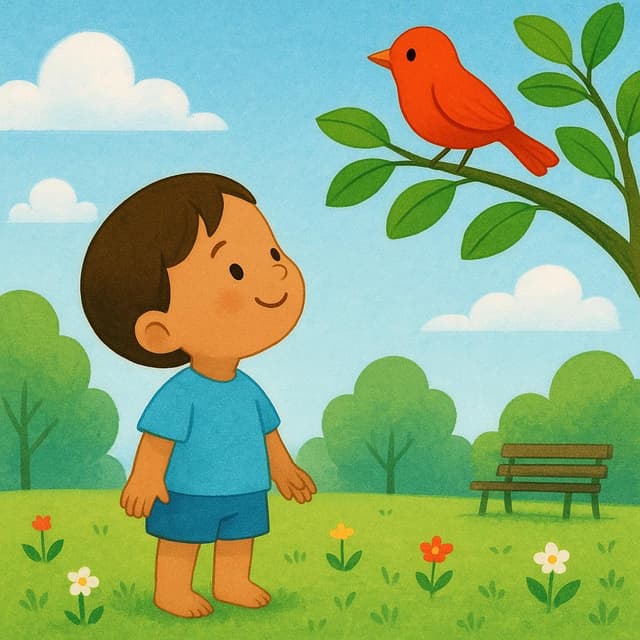
mirar — to look at
The present tense of mirar is regular: miro, miras, mira, miramos, miráis, miran.
Formy mirar Czas teraźniejszy
Kiedy używać Czas teraźniejszy
Use the present tense to talk about things you are looking at right now or things you watch habitually, like a TV show or the stars. It is also used for general observations about how things look.
Uwagi dotyczące mirar w czasie Czas teraźniejszy
Mirar is a completely regular -ar verb in the present tense. There are no stem changes or spelling shifts to worry about.
Przykładowe zdania
Siempre miro la televisión por la noche.
I always watch TV at night.
yo
¿Por qué me miras así?
Why are you looking at me like that?
tú
Ellos miran el mapa para encontrar la calle.
They are looking at the map to find the street.
ellos/ellas/ustedes
Częste błędy
Błąd: Using 'mirar a' for objects.
Poprawnie: Miro el cuadro.
Dlaczego: Learners often add 'a' after mirar for everything, but 'a' is only for people (the personal 'a').
Opanuj hiszpańskie czasowniki w kontekście
Zapamiętywanie tabel to dopiero początek. Przeczytaj ponad 200 ilustrowanych i udźwiękowionych hiszpańskich historii, aby zobaczyć czasowniki takie jak 'mirar' używane naturalnie — w czasach, których się uczysz.
Powiązane czasy
Czas przeszły prosty
yo: miré
The preterite of mirar is regular: miré, miraste, miró, miramos, mirasteis, miraron.
Czas przeszły niedokonany
yo: miraba
The imperfect of mirar uses the regular -aba endings: miraba, mirabas, miraba, mirábamos, mirabais, miraban.
Czas przyszły
yo: miraré
The future tense of mirar adds endings to the infinitive: miraré, mirarás, mirará, miraremos, miraréis, mirarán.
Tryb warunkowy
yo: miraría
The conditional of mirar is regular: miraría, mirarías, miraría, miraríamos, miraríais, mirarían.
Tryb Subj. teraźniejszy
yo: mire
The present subjunctive of mirar uses -e endings: mire, mires, mire, miremos, miréis, miren.
Tryb Subj. przeszły niedokonany
yo: mirara
The imperfect subjunctive of mirar is formed from the preterite stem: mirara, miraras, mirara, miráramos, mirarais, miraran.
Tryb rozkazujący (twierdzący)
yo: mira
The imperative of mirar provides commands: mira, mire, miremos, mirad, miren.
Tryb rozkazujący (przeczący)
yo: no mires
The negative imperative of mirar uses subjunctive forms: no mires, no mire, no miremos, no miréis, no miren.