Koniugacja czasowników hiszpańskich
novelarKoniugacja
regular-ar9 tenses52 forms
Zobacz poniżej:
Kompletne tabele koniugacji
Odniesienie do wszystkich czasów i trybów
Subjunctive
Imperfect Subjunctive
yonovelara
túnovelaras
él/ella/ustednovelara
nosotrosnoveláramos
vosotrosnovelarais
ellos/ellas/ustedesnovelaran
Present Subjunctive
yonovele
túnoveles
él/ella/ustednovele
nosotrosnovelemos
vosotrosnoveléis
ellos/ellas/ustedesnovelen
Imperative
Negative Imperative
túno noveles
ustedno novele
nosotrosno novelemos
vosotrosno noveléis
ustedesno novelen
Imperative
túnovela
ustednovele
nosotrosnovelemos
vosotrosnovelad
ustedesnovelen
Indicative
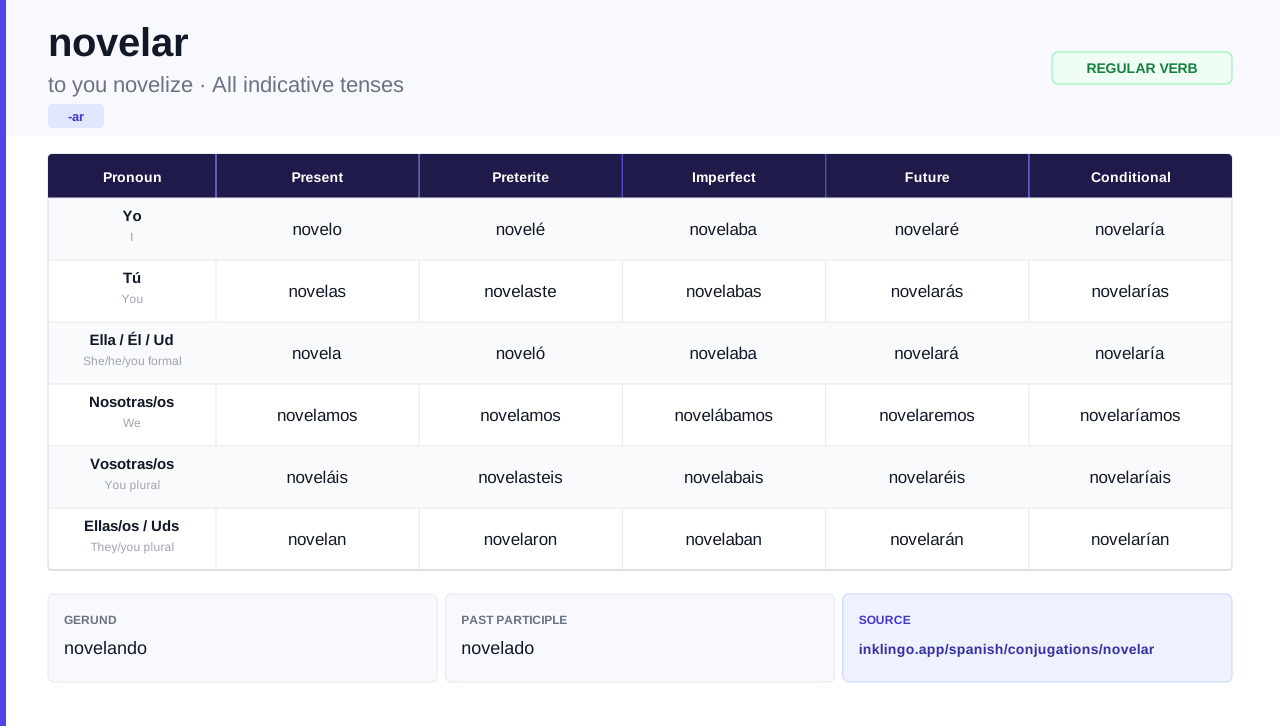
Conditional
yonovelaría
túnovelarías
él/ella/ustednovelaría
nosotrosnovelaríamos
vosotrosnovelaríais
ellos/ellas/ustedesnovelarían
Preterite
yonovelé
túnovelaste
él/ella/ustednoveló
nosotrosnovelamos
vosotrosnovelasteis
ellos/ellas/ustedesnovelaron
Imperfect
yonovelaba
túnovelabas
él/ella/ustednovelaba
nosotrosnovelábamos
vosotrosnovelabais
ellos/ellas/ustedesnovelaban
Present
yonovelo
túnovelas
él/ella/ustednovela
nosotrosnovelamos
vosotrosnoveláis
ellos/ellas/ustedesnovelan
Future
yonovelaré
túnovelarás
él/ella/ustednovelará
nosotrosnovelaremos
vosotrosnovelaréis
ellos/ellas/ustedesnovelarán
Ćwicz koniugacje
Sprawdź swoją wiedzę za pomocą interaktywnych ćwiczeń
Ładowanie ćwiczeń...
Przenieś novelar z tabel do prawdziwego hiszpańskiego
Tabele koniugacji to dopiero początek. Przeczytaj ponad 200 ilustrowanych i udźwiękowionych hiszpańskich historii, aby zobaczyć 'novelar' w akcji w prawdziwych zdaniach — i zbuduj instynkt, jaki mają rodzimi użytkownicy języka.
Często zadawane pytania
Czy novelar to czasownik regularny czy nieregularny?
novelar to czasownik regular -ar w języku hiszpańskim.
Jak koniuguje się novelar w czasie teraźniejszym?
Czas teraźniejszy novelar to: yo novelo, tú novelas, él/ella/usted novela, nosotros novelamos, vosotros noveláis, ellos/ellas/ustedes novelan.
Jak koniuguje się novelar w czasie przeszłym dokonanym (preterite)?
Czas przeszły dokonany novelar to: yo novelé, tú novelaste, él/ella/usted noveló, nosotros novelamos, vosotros novelasteis, ellos/ellas/ustedes novelaron.
Darmowy materiał referencyjny do wydruku
novelar ściągawka koniugacyjna