Koniugacja olvidar Czas teraźniejszy
olvidar — to forget
Olvidar is regular in the present: olvido, olvidas, olvida, olvidamos, olvidáis, olvidan.
Formy olvidar Czas teraźniejszy
Kiedy używać Czas teraźniejszy
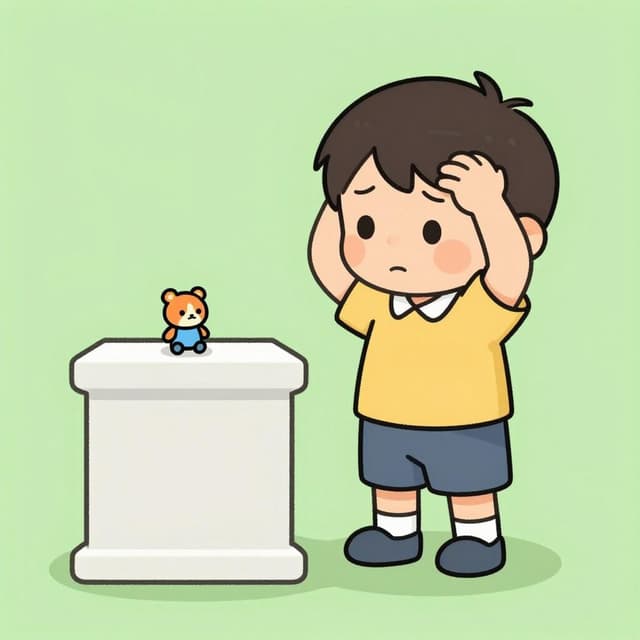
Use the present tense to talk about things you habitually forget, like names or keys, or to state general facts about memory. It is also used to describe a state of forgetting something right now.
Uwagi dotyczące olvidar w czasie Czas teraźniejszy
Olvidar is a completely regular -ar verb in the present tense. It follows the standard pattern without any stem changes or spelling shifts.
Przykładowe zdania
Siempre olvido dónde puse las llaves.
I always forget where I put the keys.
yo
Ella nunca olvida un cumpleaños.
She never forgets a birthday.
él/ella/usted
A veces nosotros olvidamos los nombres de los nuevos estudiantes.
Sometimes we forget the names of the new students.
nosotros
Częste błędy
Błąd: Using 'olvido' for the past tense.
Poprawnie: olvidé
Dlaczego: Learners often use the present 'olvido' when they mean 'I forgot' (past), which requires the preterite.
Opanuj hiszpańskie czasowniki w kontekście
Zapamiętywanie tabel to dopiero początek. Przeczytaj ponad 200 ilustrowanych i udźwiękowionych hiszpańskich historii, aby zobaczyć czasowniki takie jak 'olvidar' używane naturalnie — w czasach, których się uczysz.
Powiązane czasy
Czas przeszły prosty
yo: olvidé
The preterite of olvidar is regular: olvidé, olvidaste, olvidó, olvidamos, olvidasteis, olvidaron.
Czas przeszły niedokonany
yo: olvidaba
Olvidar in the imperfect is regular: olvidaba, olvidabas, olvidaba, olvidábamos, olvidabais, olvidaban.
Czas przyszły
yo: olvidaré
The future of olvidar uses the infinitive plus endings: olvidaré, olvidarás, olvidará, olvidaremos, olvidaréis, olvidarán.
Tryb warunkowy
yo: olvidaría
The conditional of olvidar is regular: olvidaría, olvidarías, olvidaría, olvidaríamos, olvidaríais, olvidarían.
Tryb Subj. teraźniejszy
yo: olvide
The present subjunctive of olvidar is regular: olvide, olvides, olvide, olvidemos, olvidéis, olviden.
Tryb Subj. przeszły niedokonany
yo: olvidara
The imperfect subjunctive of olvidar is regular: olvidara, olvidaras, olvidara, olvidáramos, olvidarais, olvidaran.
Tryb rozkazujący (twierdzący)
yo: olvida
The imperative of olvidar is: olvida (tú), olvide (usted), olvidemos (nosotros), olvidad (vosotros), olviden (ustedes).
Tryb rozkazujący (przeczący)
yo: no olvides
The negative imperative of olvidar uses 'no' plus the present subjunctive: no olvides, no olvide, no olvidemos, no olvidéis, no olviden.