Koniugacja olvidar Czas przeszły prosty
olvidar — to forget
The preterite of olvidar is regular: olvidé, olvidaste, olvidó, olvidamos, olvidasteis, olvidaron.
Formy olvidar Czas przeszły prosty
Kiedy używać Czas przeszły prosty
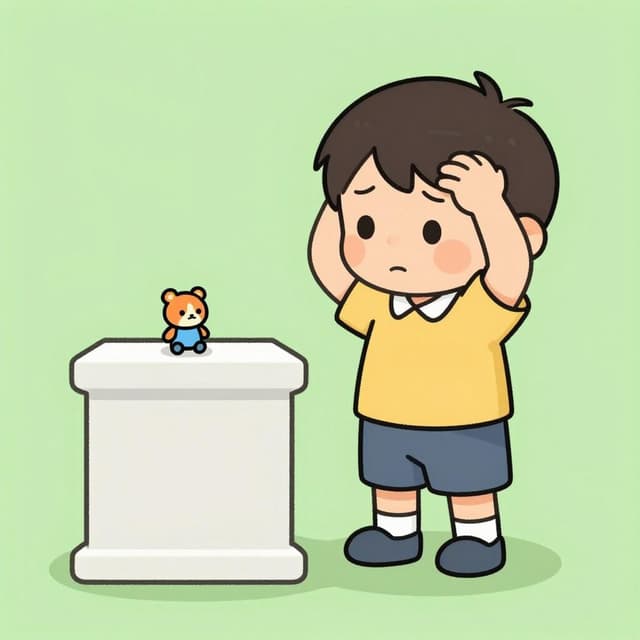
Use the preterite for specific instances where you forgot something at a particular moment, like forgetting your wallet this morning or forgetting to call someone yesterday.
Uwagi dotyczące olvidar w czasie Czas przeszły prosty
Olvidar is regular in the preterite. Note that the 'nosotros' form 'olvidamos' is the same as the present tense; context will tell you if it's past or present.
Przykładowe zdania
Ayer olvidé mi paraguas en el autobús.
Yesterday I forgot my umbrella on the bus.
yo
¿Olvidaste cerrar la puerta con llave?
Did you forget to lock the door?
tú
Ellos olvidaron traer la comida a la fiesta.
They forgot to bring the food to the party.
ellos/ellas/ustedes
Częste błędy
Błąd: olvido (without accent) for él/ella/usted.
Poprawnie: olvidó
Dlaczego: Without the accent, 'olvido' is the first-person present ('I forget'), while 'olvidó' is the third-person past ('he/she forgot').
Opanuj hiszpańskie czasowniki w kontekście
Zapamiętywanie tabel to dopiero początek. Przeczytaj ponad 200 ilustrowanych i udźwiękowionych hiszpańskich historii, aby zobaczyć czasowniki takie jak 'olvidar' używane naturalnie — w czasach, których się uczysz.
Powiązane czasy
Czas teraźniejszy
yo: olvido
Olvidar is regular in the present: olvido, olvidas, olvida, olvidamos, olvidáis, olvidan.
Czas przeszły niedokonany
yo: olvidaba
Olvidar in the imperfect is regular: olvidaba, olvidabas, olvidaba, olvidábamos, olvidabais, olvidaban.
Czas przyszły
yo: olvidaré
The future of olvidar uses the infinitive plus endings: olvidaré, olvidarás, olvidará, olvidaremos, olvidaréis, olvidarán.
Tryb warunkowy
yo: olvidaría
The conditional of olvidar is regular: olvidaría, olvidarías, olvidaría, olvidaríamos, olvidaríais, olvidarían.
Tryb Subj. teraźniejszy
yo: olvide
The present subjunctive of olvidar is regular: olvide, olvides, olvide, olvidemos, olvidéis, olviden.
Tryb Subj. przeszły niedokonany
yo: olvidara
The imperfect subjunctive of olvidar is regular: olvidara, olvidaras, olvidara, olvidáramos, olvidarais, olvidaran.
Tryb rozkazujący (twierdzący)
yo: olvida
The imperative of olvidar is: olvida (tú), olvide (usted), olvidemos (nosotros), olvidad (vosotros), olviden (ustedes).
Tryb rozkazujący (przeczący)
yo: no olvides
The negative imperative of olvidar uses 'no' plus the present subjunctive: no olvides, no olvide, no olvidemos, no olvidéis, no olviden.