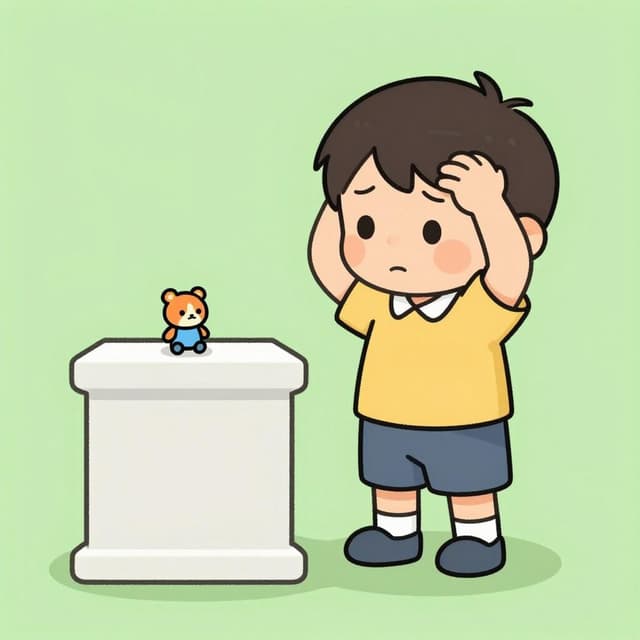
Koniugacja olvidar Tryb Subj. teraźniejszy
olvidar — to forget
The present subjunctive of olvidar is regular: olvide, olvides, olvide, olvidemos, olvidéis, olviden.
Formy olvidar Tryb Subj. teraźniejszy
Kiedy używać Tryb Subj. teraźniejszy
Use this when expressing a wish, doubt, or recommendation that someone forgets or doesn't forget something (e.g., 'I hope you don't forget').
Uwagi dotyczące olvidar w czasie Tryb Subj. teraźniejszy
Olvidar is regular in the subjunctive. It uses the opposite vowel ending (e) typical for -ar verbs.
Przykładowe zdania
Espero que no olvides nuestra cita.
I hope you don't forget our appointment.
tú
Es importante que él no olvide los documentos.
It is important that he doesn't forget the documents.
él/ella/usted
Dudo que ellos olviden las llaves otra vez.
I doubt they will forget the keys again.
ellos/ellas/ustedes
Częste błędy
Błąd: olvida (in a subjunctive context).
Poprawnie: olvide
Dlaczego: Learners often use the indicative 'olvida' when they need the subjunctive 'olvide' after triggers like 'espero que'.
Opanuj hiszpańskie czasowniki w kontekście
Zapamiętywanie tabel to dopiero początek. Przeczytaj ponad 200 ilustrowanych i udźwiękowionych hiszpańskich historii, aby zobaczyć czasowniki takie jak 'olvidar' używane naturalnie — w czasach, których się uczysz.
Powiązane czasy
Czas teraźniejszy
yo: olvido
Olvidar is regular in the present: olvido, olvidas, olvida, olvidamos, olvidáis, olvidan.
Czas przeszły prosty
yo: olvidé
The preterite of olvidar is regular: olvidé, olvidaste, olvidó, olvidamos, olvidasteis, olvidaron.
Czas przeszły niedokonany
yo: olvidaba
Olvidar in the imperfect is regular: olvidaba, olvidabas, olvidaba, olvidábamos, olvidabais, olvidaban.
Czas przyszły
yo: olvidaré
The future of olvidar uses the infinitive plus endings: olvidaré, olvidarás, olvidará, olvidaremos, olvidaréis, olvidarán.
Tryb warunkowy
yo: olvidaría
The conditional of olvidar is regular: olvidaría, olvidarías, olvidaría, olvidaríamos, olvidaríais, olvidarían.
Tryb Subj. przeszły niedokonany
yo: olvidara
The imperfect subjunctive of olvidar is regular: olvidara, olvidaras, olvidara, olvidáramos, olvidarais, olvidaran.
Tryb rozkazujący (twierdzący)
yo: olvida
The imperative of olvidar is: olvida (tú), olvide (usted), olvidemos (nosotros), olvidad (vosotros), olviden (ustedes).
Tryb rozkazujący (przeczący)
yo: no olvides
The negative imperative of olvidar uses 'no' plus the present subjunctive: no olvides, no olvide, no olvidemos, no olvidéis, no olviden.