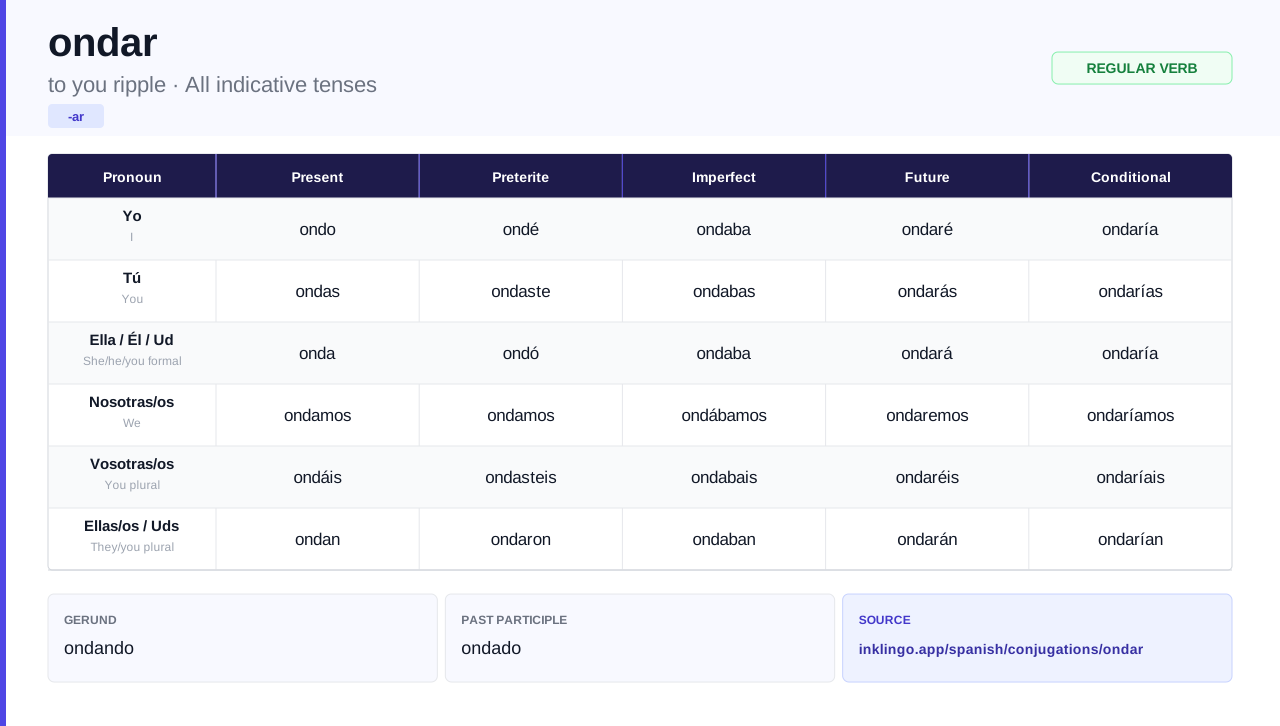
Koniugacja czasowników hiszpańskich
ondarKoniugacja
regular-ar9 czasów52 formy
Zobacz poniżej:
Kompletne tabele koniugacji
Odniesienie do wszystkich czasów i trybów
Subjunctive
Imperfect Subjunctive
yoondara
túondaras
él/ella/ustedondara
nosotrosondáramos
vosotrosondarais
ellos/ellas/ustedesondaran
Present Subjunctive
yoonde
túondes
él/ella/ustedonde
nosotrosondemos
vosotrosondéis
ellos/ellas/ustedesonden
Imperative
Imperative
túonda
ustedonde
nosotrosondemos
vosotrosondad
ustedesonden
Negative Imperative
túno ondes
ustedno onde
nosotrosno ondemos
vosotrosno ondéis
ustedesno onden
Indicative
Imperfect
yoondaba
túondabas
él/ella/ustedondaba
nosotrosondábamos
vosotrosondabais
ellos/ellas/ustedesondaban
Conditional
yoondaría
túondarías
él/ella/ustedondaría
nosotrosondaríamos
vosotrosondaríais
ellos/ellas/ustedesondarían
Present
yoondo
túondas
él/ella/ustedonda
nosotrosondamos
vosotrosondáis
ellos/ellas/ustedesondan
Preterite
yoondé
túondaste
él/ella/ustedondó
nosotrosondamos
vosotrosondasteis
ellos/ellas/ustedesondaron
Future
yoondaré
túondarás
él/ella/ustedondará
nosotrosondaremos
vosotrosondaréis
ellos/ellas/ustedesondarán
Ćwicz koniugacje
Sprawdź swoją wiedzę za pomocą interaktywnych ćwiczeń
Przenieś ondar z tabel do prawdziwego hiszpańskiego
Tabele koniugacji to dopiero początek. Przeczytaj ponad 200 ilustrowanych i udźwiękowionych hiszpańskich historii, aby zobaczyć 'ondar' w akcji w prawdziwych zdaniach — i zbuduj instynkt, jaki mają rodzimi użytkownicy języka.
Często zadawane pytania
Czy ondar to czasownik regularny czy nieregularny?
ondar to czasownik regular -ar w języku hiszpańskim.
Jak koniuguje się ondar w czasie teraźniejszym?
Czas teraźniejszy ondar to: yo ondo, tú ondas, él/ella/usted onda, nosotros ondamos, vosotros ondáis, ellos/ellas/ustedes ondan.
Jak koniuguje się ondar w czasie przeszłym dokonanym (preterite)?
Czas przeszły dokonany ondar to: yo ondé, tú ondaste, él/ella/usted ondó, nosotros ondamos, vosotros ondasteis, ellos/ellas/ustedes ondaron.
Darmowy materiał referencyjny do wydruku
ondar ściągawka koniugacyjna