Koniugacja czasowników hiszpańskich
perpetuarKoniugacja
regular-ar9 czasów52 formy
Zobacz poniżej:
Kompletne tabele koniugacji
Odniesienie do wszystkich czasów i trybów
Subjunctive
Imperfect Subjunctive
yoperpetuara
túperpetuaras
él/ella/ustedperpetuara
nosotrosperpetuáramos
vosotrosperpetuarais
ellos/ellas/ustedesperpetuaran
Present Subjunctive
yoperpetúe
túperpetúes
él/ella/ustedperpetúe
nosotrosperpetuemos
vosotrosperpetuéis
ellos/ellas/ustedesperpetúen
Imperative
Negative Imperative
túno perpetúes
ustedno perpetúe
nosotrosno perpetuemos
vosotrosno perpetuéis
ustedesno perpetúen
Imperative
túperpetúa
ustedperpetúe
nosotrosperpetuemos
vosotrosperpetuad
ustedesperpetúen
Indicative
Conditional
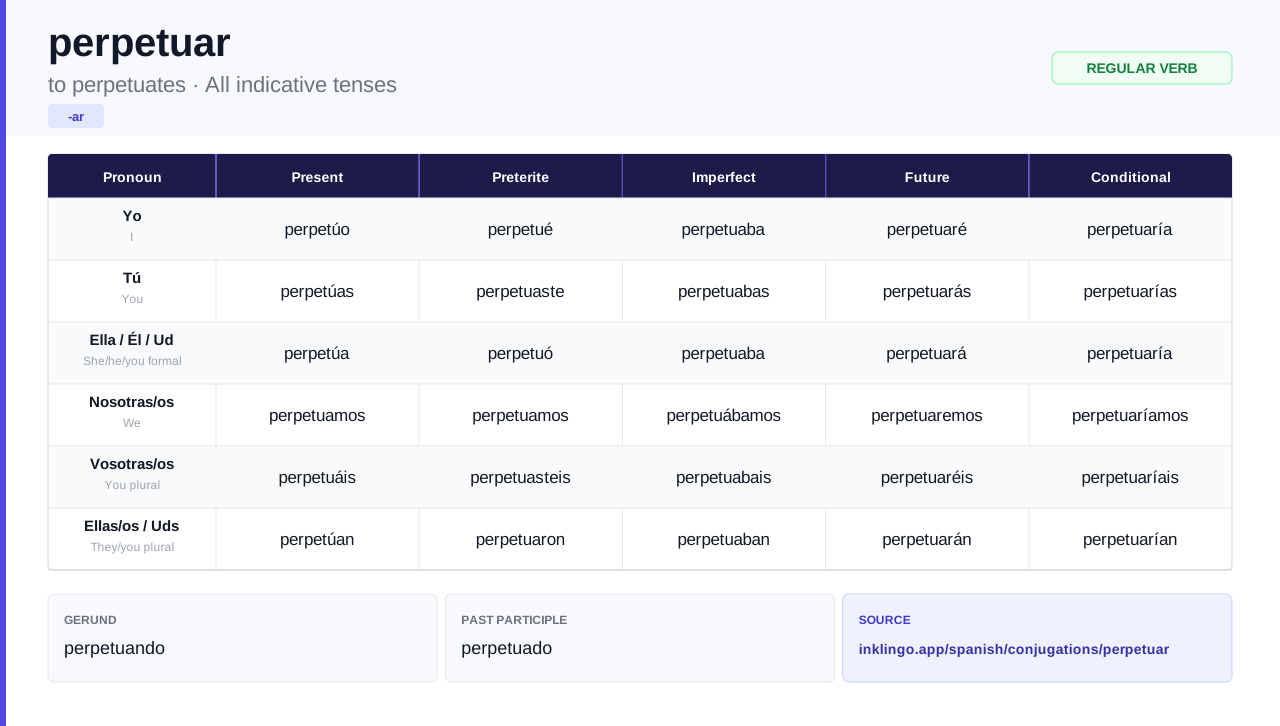
yoperpetuaría
túperpetuarías
él/ella/ustedperpetuaría
nosotrosperpetuaríamos
vosotrosperpetuaríais
ellos/ellas/ustedesperpetuarían
Preterite
yoperpetué
túperpetuaste
él/ella/ustedperpetuó
nosotrosperpetuamos
vosotrosperpetuasteis
ellos/ellas/ustedesperpetuaron
Imperfect
yoperpetuaba
túperpetuabas
él/ella/ustedperpetuaba
nosotrosperpetuábamos
vosotrosperpetuabais
ellos/ellas/ustedesperpetuaban
Present
yoperpetúo
túperpetúas
él/ella/ustedperpetúa
nosotrosperpetuamos
vosotrosperpetuáis
ellos/ellas/ustedesperpetúan
Future
yoperpetuaré
túperpetuarás
él/ella/ustedperpetuará
nosotrosperpetuaremos
vosotrosperpetuaréis
ellos/ellas/ustedesperpetuarán
Ćwicz koniugacje
Sprawdź swoją wiedzę za pomocą interaktywnych ćwiczeń
Przenieś perpetuar z tabel do prawdziwego hiszpańskiego
Tabele koniugacji to dopiero początek. Przeczytaj ponad 200 ilustrowanych i udźwiękowionych hiszpańskich historii, aby zobaczyć 'perpetuar' w akcji w prawdziwych zdaniach — i zbuduj instynkt, jaki mają rodzimi użytkownicy języka.
Często zadawane pytania
Czy perpetuar to czasownik regularny czy nieregularny?
perpetuar to czasownik regular -ar w języku hiszpańskim.
Jak koniuguje się perpetuar w czasie teraźniejszym?
Czas teraźniejszy perpetuar to: yo perpetúo, tú perpetúas, él/ella/usted perpetúa, nosotros perpetuamos, vosotros perpetuáis, ellos/ellas/ustedes perpetúan.
Jak koniuguje się perpetuar w czasie przeszłym dokonanym (preterite)?
Czas przeszły dokonany perpetuar to: yo perpetué, tú perpetuaste, él/ella/usted perpetuó, nosotros perpetuamos, vosotros perpetuasteis, ellos/ellas/ustedes perpetuaron.
Darmowy materiał referencyjny do wydruku
perpetuar ściągawka koniugacyjna