Koniugacja czasowników hiszpańskich
quitarseKoniugacja
regular-ar9 czasów52 formy
Zobacz poniżej:
Kompletne tabele koniugacji
Odniesienie do wszystkich czasów i trybów
Indicative
Present
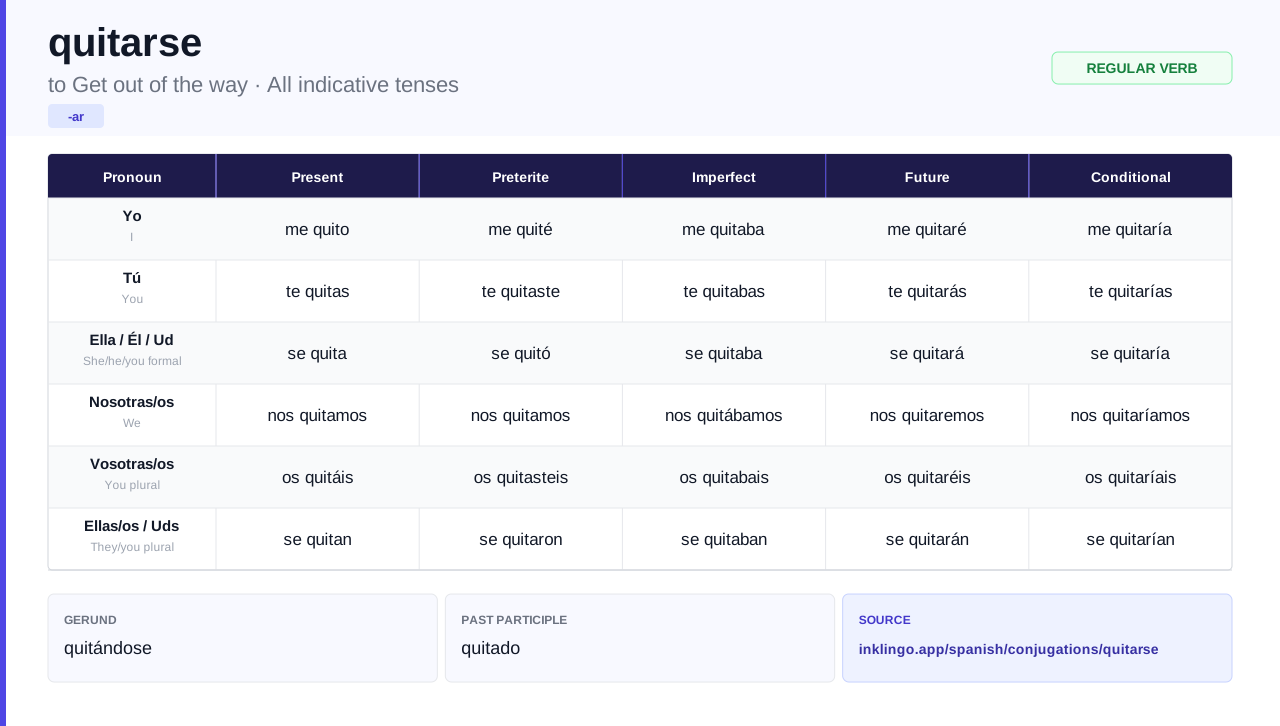
yome quito
túte quitas
él/ella/ustedse quita
nosotrosnos quitamos
vosotrosos quitáis
ellos/ellas/ustedesse quitan
Future
yome quitaré
túte quitarás
él/ella/ustedse quitará
nosotrosnos quitaremos
vosotrosos quitaréis
ellos/ellas/ustedesse quitarán
Imperfect
yome quitaba
túte quitabas
él/ella/ustedse quitaba
nosotrosnos quitábamos
vosotrosos quitabais
ellos/ellas/ustedesse quitaban
Conditional
yome quitaría
túte quitarías
él/ella/ustedse quitaría
nosotrosnos quitaríamos
vosotrosos quitaríais
ellos/ellas/ustedesse quitarían
Preterite
yome quité
túte quitaste
él/ella/ustedse quitó
nosotrosnos quitamos
vosotrosos quitasteis
ellos/ellas/ustedesse quitaron
Imperative
Negative Imperative
túno te quites
ustedno se quite
nosotrosno nos quitemos
vosotrosno os quitéis
ellos/ellas/ustedesno se quiten
Imperative
túquítate
ustedquítese
nosotrosquitémonos
vosotrosquitaos
ustedesquítense
Subjunctive
Present Subjunctive
yome quite
túte quites
él/ella/ustedse quite
nosotrosnos quitemos
vosotrosos quitéis
ellos/ellas/ustedesse quiten
Imperfect Subjunctive
yome quitara/quitase
túte quitaras/quitases
él/ella/ustedse quitara/quitase
nosotrosnos quitáramos/quitásemos
vosotrosos quitarais/quitaseis
ellos/ellas/ustedesse quitaran/quitasen
Ćwicz koniugacje
Sprawdź swoją wiedzę za pomocą interaktywnych ćwiczeń
Przenieś quitarse z tabel do prawdziwego hiszpańskiego
Tabele koniugacji to dopiero początek. Przeczytaj ponad 200 ilustrowanych i udźwiękowionych hiszpańskich historii, aby zobaczyć 'quitarse' w akcji w prawdziwych zdaniach — i zbuduj instynkt, jaki mają rodzimi użytkownicy języka.
Często zadawane pytania
Czy quitarse to czasownik regularny czy nieregularny?
quitarse to czasownik regular -ar w języku hiszpańskim.
Jak koniuguje się quitarse w czasie teraźniejszym?
Czas teraźniejszy quitarse to: yo me quito, tú te quitas, él/ella/usted se quita, nosotros nos quitamos, vosotros os quitáis, ellos/ellas/ustedes se quitan.
Jak koniuguje się quitarse w czasie przeszłym dokonanym (preterite)?
Czas przeszły dokonany quitarse to: yo me quité, tú te quitaste, él/ella/usted se quitó, nosotros nos quitamos, vosotros os quitasteis, ellos/ellas/ustedes se quitaron.
Darmowy materiał referencyjny do wydruku
quitarse ściągawka koniugacyjna