Koniugacja rescatar Tryb rozkazujący (twierdzący)
rescatar — to rescue
Use imperative forms like 'rescatad' and 'rescate' for direct commands.
Formy rescatar Tryb rozkazujący (twierdzący)
Kiedy używać Tryb rozkazujący (twierdzący)
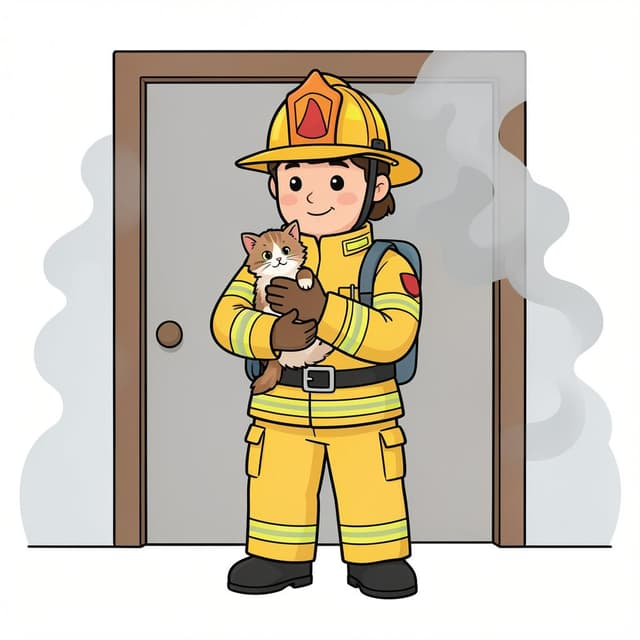
The imperative is for giving direct orders or instructions. For 'rescatar,' you'd use it to tell someone to rescue something or someone, like '¡Rescata al gato!' (Rescue the cat!). It's very direct and used when you're sure of the outcome.
Uwagi dotyczące rescatar w czasie Tryb rozkazujący (twierdzący)
Rescatar is regular in the affirmative imperative. The 'tú' form, 'rescata,' is the same as the present indicative.
Przykładowe zdania
¡Rescata a ese perrito!
Rescue that little dog!
tú
¡Rescatad a los rehenes ahora!
Rescue the hostages now!
vosotros
Señores, ¡rescaten a los atrapados!
Gentlemen, rescue those trapped!
ustedes
Vamos, ¡rescatemos a nuestros amigos!
Come on, let's rescue our friends!
nosotros
Częste błędy
Błąd: Using the present subjunctive instead of the affirmative imperative for 'tú'.
Poprawnie: Use 'rescata' for the tú command, not 'rescates'.
Dlaczego: 'Rescates' is used in negative commands ('no rescates') or when expressing doubt/desire in the present subjunctive.
Błąd: Forgetting the 'vosotros' form.
Poprawnie: The vosotros imperative is 'rescatad'.
Dlaczego: This form is specific to informal plural commands in Spain.
Opanuj hiszpańskie czasowniki w kontekście
Zapamiętywanie tabel to dopiero początek. Przeczytaj ponad 200 ilustrowanych i udźwiękowionych hiszpańskich historii, aby zobaczyć czasowniki takie jak 'rescatar' używane naturalnie — w czasach, których się uczysz.
Powiązane czasy
Czas teraźniejszy
yo: rescato
Use present forms like 'rescato' for current actions, habits, or general truths about rescuing.
Czas przeszły prosty
yo: rescaté
Use preterite forms like 'rescató' for completed past actions of rescuing.
Czas przeszły niedokonany
yo: rescataba
Use imperfect forms like 'rescataba' for ongoing or habitual past rescues.
Czas przyszły
yo: rescataré
Use future forms like 'rescataré' for actions that will happen or for probability.
Tryb warunkowy
yo: rescataría
Use conditional forms like 'rescataría' for hypothetical or polite requests about rescuing.
Tryb Subj. teraźniejszy
yo: rescate
Use present subjunctive forms like 'rescate' after expressions of doubt, desire, or emotion.
Tryb Subj. przeszły niedokonany
yo: rescatara
Use imperfect subjunctive forms like 'rescatara' or 'rescatase' for past hypotheticals or wishes.
Tryb rozkazujący (przeczący)
yo: no rescates
Negative commands like 'no rescates' use the present subjunctive.