Koniugacja rescatar Czas przeszły niedokonany
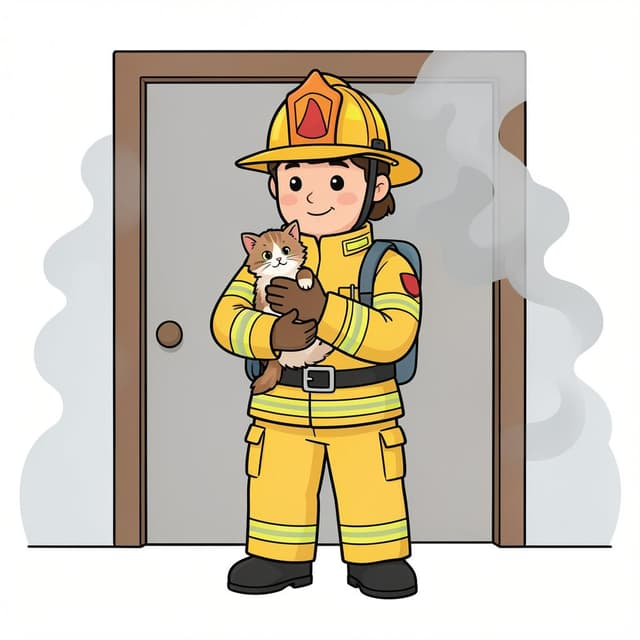
rescatar — to rescue
Use imperfect forms like 'rescataba' for ongoing or habitual past rescues.
Formy rescatar Czas przeszły niedokonany
Kiedy używać Czas przeszły niedokonany
The imperfect tense describes past actions that were ongoing, habitual, or set the scene. If you used to rescue people regularly, or if a rescue was in progress when something else happened, you'd use the imperfect. For example, 'Cuando era niño, rescataba animales heridos' (When I was a child, I used to rescue injured animals).
Uwagi dotyczące rescatar w czasie Czas przeszły niedokonany
Rescatar is regular in the imperfect tense. It follows the standard -ar imperfect conjugation.
Przykładowe zdania
Antes, yo rescataba perros callejeros a menudo.
Before, I often rescued stray dogs.
yo
¿Tú rescatabas a la gente de los incendios?
Did you used to rescue people from fires?
tú
Él rescataba documentos históricos de bibliotecas olvidadas.
He used to rescue historical documents from forgotten libraries.
él/ella/usted
Ellos rescataban a los náufragos mientras la tormenta arreciaba.
They were rescuing the shipwrecked as the storm raged.
ellos/ellas/ustedes
Częste błędy
Błąd: Using the imperfect for a single completed rescue event.
Poprawnie: Use the preterite 'rescató' for a specific finished action, not the imperfect 'rescataba'.
Dlaczego: The imperfect describes duration or habit, not a single completed event.
Błąd: Incorrectly conjugating the 'vosotros' form.
Poprawnie: The correct imperfect form is 'rescatabais'.
Dlaczego: The '-abais' ending is standard for 'vosotros' in the imperfect tense of -ar verbs.
Opanuj hiszpańskie czasowniki w kontekście
Zapamiętywanie tabel to dopiero początek. Przeczytaj ponad 200 ilustrowanych i udźwiękowionych hiszpańskich historii, aby zobaczyć czasowniki takie jak 'rescatar' używane naturalnie — w czasach, których się uczysz.
Powiązane czasy
Czas teraźniejszy
yo: rescato
Use present forms like 'rescato' for current actions, habits, or general truths about rescuing.
Czas przeszły prosty
yo: rescaté
Use preterite forms like 'rescató' for completed past actions of rescuing.
Czas przyszły
yo: rescataré
Use future forms like 'rescataré' for actions that will happen or for probability.
Tryb warunkowy
yo: rescataría
Use conditional forms like 'rescataría' for hypothetical or polite requests about rescuing.
Tryb Subj. teraźniejszy
yo: rescate
Use present subjunctive forms like 'rescate' after expressions of doubt, desire, or emotion.
Tryb Subj. przeszły niedokonany
yo: rescatara
Use imperfect subjunctive forms like 'rescatara' or 'rescatase' for past hypotheticals or wishes.
Tryb rozkazujący (twierdzący)
yo: rescata
Use imperative forms like 'rescatad' and 'rescate' for direct commands.
Tryb rozkazujący (przeczący)
yo: no rescates
Negative commands like 'no rescates' use the present subjunctive.