Koniugacja retirar Czas przeszły niedokonany
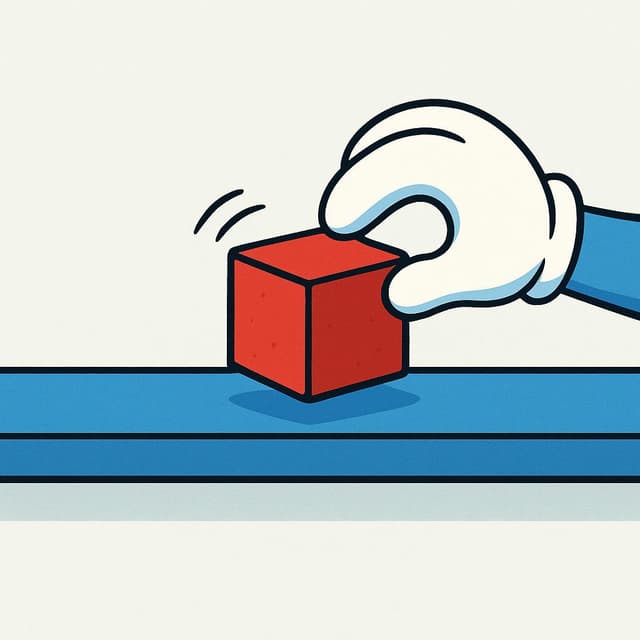
retirar — to remove
The imperfect tense of 'retirar' is regular: retiraba, retirabas, retiraba, retirábamos, retirabais, retiraban, used for ongoing or habitual past actions.
Formy retirar Czas przeszły niedokonany
Kiedy używać Czas przeszły niedokonany
Use the imperfect tense to describe ongoing actions, habitual actions, or background settings in the past. For 'retirar', you could say 'Cuando era niño, retiraba las sábanas de mi cama todos los días' (When I was a child, I used to pull off my bedsheets every day) or 'El camarero retiraba los platos mientras hablábamos' (The waiter was clearing the plates while we talked).
Uwagi dotyczące retirar w czasie Czas przeszły niedokonany
'Retirar' is regular in the imperfect indicative. The stem is the full infinitive 'retirar', and the endings are the standard imperfect endings for -ar verbs.
Przykładowe zdania
Yo retiraba mi coche del garaje todas las mañanas.
I used to drive my car out of the garage every morning.
yo
¿Tú retirabas el correo cuando vivías allí?
Did you used to get the mail when you lived there?
tú
Ella retiraba el mantel con cuidado.
She was carefully removing the tablecloth.
él/ella/usted
Los niños retiraban sus juguetes antes de cenar.
The children used to put away their toys before dinner.
ellos/ellas/ustedes
Częste błędy
Błąd: Using the preterite for habitual past actions.
Poprawnie: Use 'retiraba' for habitual actions, not 'retiró'.
Dlaczego: The imperfect describes ongoing or repeated actions, while the preterite describes completed actions.
Błąd: Confusing the imperfect endings with the present tense.
Poprawnie: Use 'retirábamos', not 'retiramos'.
Dlaczego: The imperfect endings for -ar verbs are '-aba, -abas, -aba...', whereas the present endings are '-o, -as, -a...'.
Opanuj hiszpańskie czasowniki w kontekście
Zapamiętywanie tabel to dopiero początek. Przeczytaj ponad 200 ilustrowanych i udźwiękowionych hiszpańskich historii, aby zobaczyć czasowniki takie jak 'retirar' używane naturalnie — w czasach, których się uczysz.
Powiązane czasy
Czas teraźniejszy
yo: retiro
The present tense of 'retirar' is regular: retiro, retiras, retira, retiramos, retiráis, retiran, used for current or habitual actions.
Czas przeszły prosty
yo: retiré
The preterite of 'retirar' is regular: retiré, retiraste, retiró, retiramos, retirasteis, retiraron, used for completed past actions.
Czas przyszły
yo: retiraré
The future tense of 'retirar' is regular: retiraré, retirarás, retirará, retiraremos, retiraréis, retirarán, used for actions that will happen.
Tryb warunkowy
yo: retiraría
The conditional of 'retirar' is regular: retiraría, retirarías, retiraría, retiraríamos, retiraríais, retirarían, used for hypotheticals and polite requests.
Tryb Subj. teraźniejszy
yo: retire
The present subjunctive of 'retirar' is 'retire' (yo/usted), 'retires' (tú), 'retiremos' (nosotros), 'retiréis' (vosotros), 'retiren' (ustedes), used after expressions of doubt, desire, or emotion.
Tryb Subj. przeszły niedokonany
yo: retirara
The imperfect subjunctive of 'retirar' has two forms: 'retirara/retirase' and 'retiraras/retirases', used for past hypotheticals or wishes.
Tryb rozkazujący (twierdzący)
yo: retira
Use 'retira' (tú), 'retire' (usted), 'retiren' (ustedes), 'retirad' (vosotros), or 'retiremos' (nosotros) for direct commands.
Tryb rozkazujący (przeczący)
yo: no retires
Use 'no retires' (tú), 'no retire' (usted), 'no retiren' (ustedes), 'no retiréis' (vosotros), or 'no retiremos' (nosotros) for negative commands.