Koniugacja retirar Czas przeszły prosty
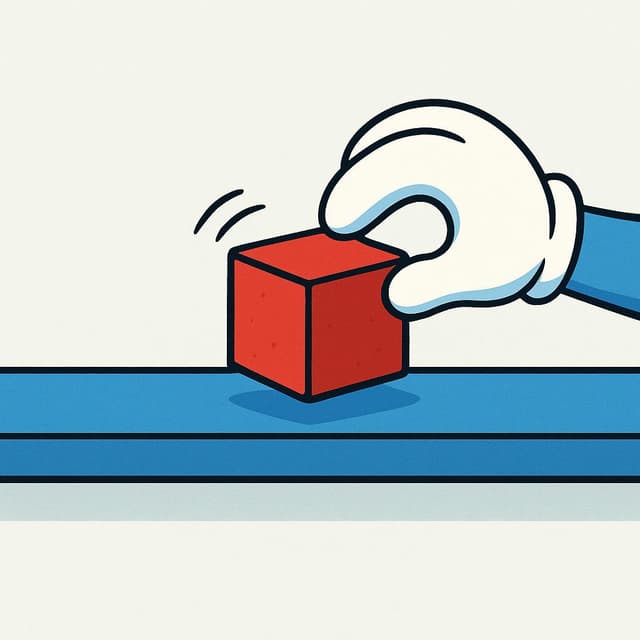
retirar — to remove
The preterite of 'retirar' is regular: retiré, retiraste, retiró, retiramos, retirasteis, retiraron, used for completed past actions.
Formy retirar Czas przeszły prosty
Kiedy używać Czas przeszły prosty
Use the preterite tense to describe actions that started and finished at a specific point in the past. For 'retirar', you might say 'Retiré el dinero ayer' (I withdrew the money yesterday) or 'El mes pasado retiraron el producto del mercado' (Last month they withdrew the product from the market).
Uwagi dotyczące retirar w czasie Czas przeszły prosty
'Retirar' is regular in the preterite indicative. The stem is the full infinitive 'retirar', and the endings are the standard preterite endings for -ar verbs.
Przykładowe zdania
Ayer retiré todo el efectivo del cajero.
Yesterday I withdrew all the cash from the ATM.
yo
¿Retiraste tu coche del aparcamiento?
Did you move your car from the parking lot?
tú
El gobierno retiró la propuesta.
The government withdrew the proposal.
él/ella/usted
Los soldados retiraron sus armas.
The soldiers laid down their weapons.
ellos/ellas/ustedes
Częste błędy
Błąd: Using the imperfect tense for a completed action.
Poprawnie: Use 'retiré' for a single completed action, not 'retiraba'.
Dlaczego: The preterite marks a completed event, while the imperfect describes ongoing or habitual past actions.
Błąd: Forgetting the accent on the 'yo' form.
Poprawnie: The correct form is 'retiré' with an accent on the 'é'.
Dlaczego: The accent distinguishes the preterite 'yo' form from other similar forms and marks the stress.
Opanuj hiszpańskie czasowniki w kontekście
Zapamiętywanie tabel to dopiero początek. Przeczytaj ponad 200 ilustrowanych i udźwiękowionych hiszpańskich historii, aby zobaczyć czasowniki takie jak 'retirar' używane naturalnie — w czasach, których się uczysz.
Powiązane czasy
Czas teraźniejszy
yo: retiro
The present tense of 'retirar' is regular: retiro, retiras, retira, retiramos, retiráis, retiran, used for current or habitual actions.
Czas przeszły niedokonany
yo: retiraba
The imperfect tense of 'retirar' is regular: retiraba, retirabas, retiraba, retirábamos, retirabais, retiraban, used for ongoing or habitual past actions.
Czas przyszły
yo: retiraré
The future tense of 'retirar' is regular: retiraré, retirarás, retirará, retiraremos, retiraréis, retirarán, used for actions that will happen.
Tryb warunkowy
yo: retiraría
The conditional of 'retirar' is regular: retiraría, retirarías, retiraría, retiraríamos, retiraríais, retirarían, used for hypotheticals and polite requests.
Tryb Subj. teraźniejszy
yo: retire
The present subjunctive of 'retirar' is 'retire' (yo/usted), 'retires' (tú), 'retiremos' (nosotros), 'retiréis' (vosotros), 'retiren' (ustedes), used after expressions of doubt, desire, or emotion.
Tryb Subj. przeszły niedokonany
yo: retirara
The imperfect subjunctive of 'retirar' has two forms: 'retirara/retirase' and 'retiraras/retirases', used for past hypotheticals or wishes.
Tryb rozkazujący (twierdzący)
yo: retira
Use 'retira' (tú), 'retire' (usted), 'retiren' (ustedes), 'retirad' (vosotros), or 'retiremos' (nosotros) for direct commands.
Tryb rozkazujący (przeczący)
yo: no retires
Use 'no retires' (tú), 'no retire' (usted), 'no retiren' (ustedes), 'no retiréis' (vosotros), or 'no retiremos' (nosotros) for negative commands.