Koniugacja czasowników hiszpańskich
segundarKoniugacja
regular-ar9 czasów52 formy
Zobacz poniżej:
Kompletne tabele koniugacji
Odniesienie do wszystkich czasów i trybów
Indicative
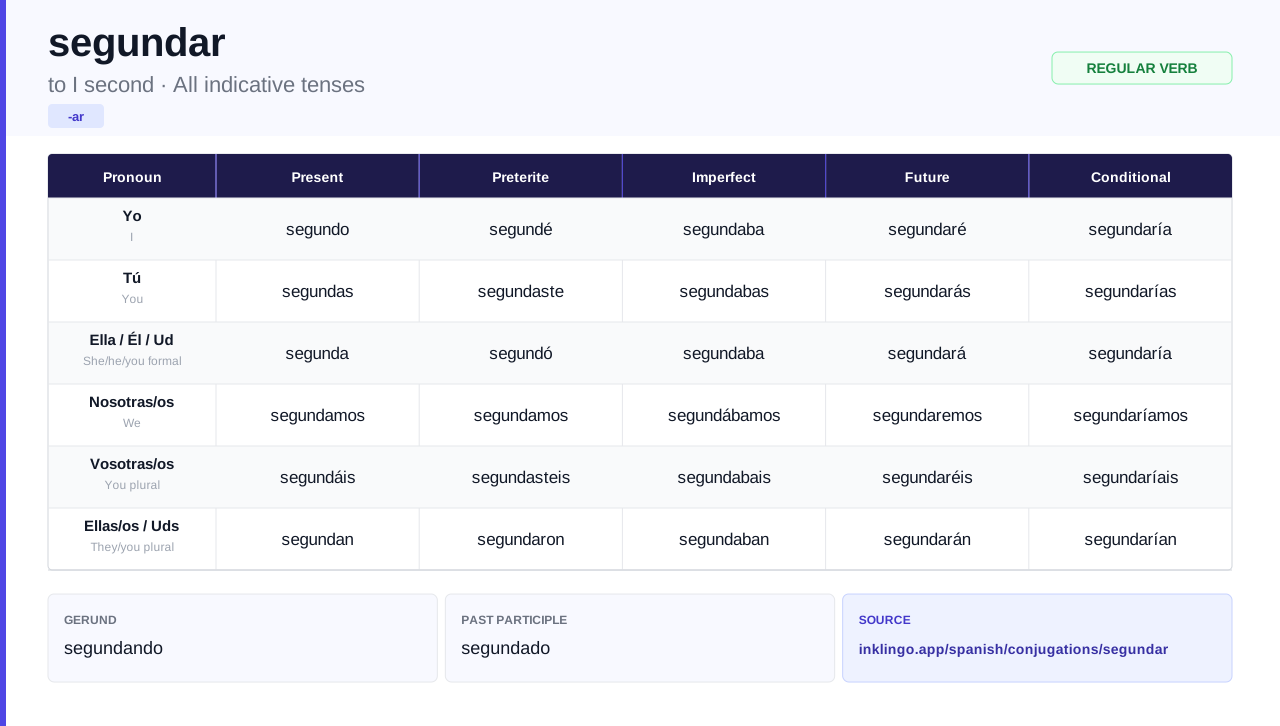
Present
yosegundo
túsegundas
él/ella/ustedsegunda
nosotrossegundamos
vosotrossegundáis
ellos/ellas/ustedessegundan
Future
yosegundaré
túsegundarás
él/ella/ustedsegundará
nosotrossegundaremos
vosotrossegundaréis
ellos/ellas/ustedessegundarán
Imperfect
yosegundaba
túsegundabas
él/ella/ustedsegundaba
nosotrossegundábamos
vosotrossegundabais
ellos/ellas/ustedessegundaban
Conditional
yosegundaría
túsegundarías
él/ella/ustedsegundaría
nosotrossegundaríamos
vosotrossegundaríais
ellos/ellas/ustedessegundarían
Preterite
yosegundé
túsegundaste
él/ella/ustedsegundó
nosotrossegundamos
vosotrossegundasteis
ellos/ellas/ustedessegundaron
Imperative
Negative Imperative
túno segundes
ustedno segunde
nosotrosno segundemos
vosotrosno segundéis
ustedesno segunden
Imperative
túsegunda
ustedsegunde
nosotrossegundemos
vosotrossegundad
ustedessegunden
Subjunctive
Present Subjunctive
yosegunde
túsegundes
él/ella/ustedsegunde
nosotrossegundemos
vosotrossegundéis
ellos/ellas/ustedessegunden
Imperfect Subjunctive
yosegundara
túsegundaras
él/ella/ustedsegundara
nosotrossegundáramos
vosotrossegundarais
ellos/ellas/ustedessegundaran
Ćwicz koniugacje
Sprawdź swoją wiedzę za pomocą interaktywnych ćwiczeń
Przenieś segundar z tabel do prawdziwego hiszpańskiego
Tabele koniugacji to dopiero początek. Przeczytaj ponad 200 ilustrowanych i udźwiękowionych hiszpańskich historii, aby zobaczyć 'segundar' w akcji w prawdziwych zdaniach — i zbuduj instynkt, jaki mają rodzimi użytkownicy języka.
Często zadawane pytania
Czy segundar to czasownik regularny czy nieregularny?
segundar to czasownik regular -ar w języku hiszpańskim.
Jak koniuguje się segundar w czasie teraźniejszym?
Czas teraźniejszy segundar to: yo segundo, tú segundas, él/ella/usted segunda, nosotros segundamos, vosotros segundáis, ellos/ellas/ustedes segundan.
Jak koniuguje się segundar w czasie przeszłym dokonanym (preterite)?
Czas przeszły dokonany segundar to: yo segundé, tú segundaste, él/ella/usted segundó, nosotros segundamos, vosotros segundasteis, ellos/ellas/ustedes segundaron.
Darmowy materiał referencyjny do wydruku
segundar ściągawka koniugacyjna