Koniugacja solar Tryb rozkazujący (twierdzący)
solar — to sole
The imperative of solar is mostly regular: sola (tú), sole (usted), solad (vosotros), solen (ustedes).
Formy solar Tryb rozkazujący (twierdzący)
Kiedy używać Tryb rozkazujący (twierdzący)
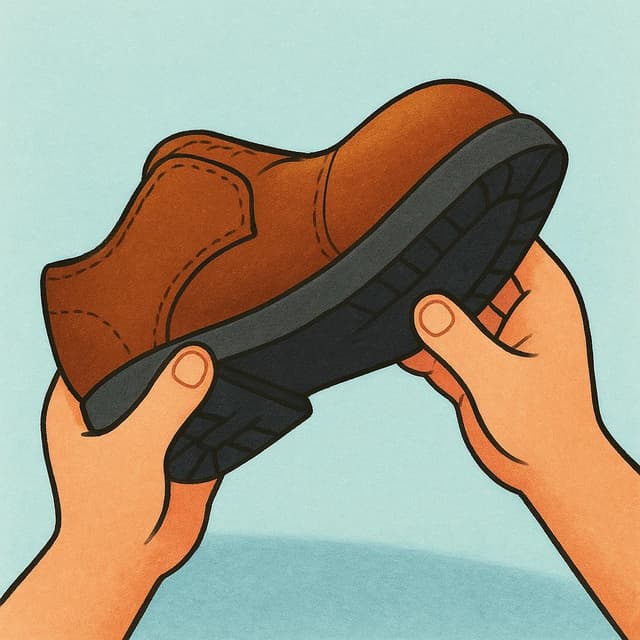
Use the imperative of solar for direct commands, telling someone to 'sole' a shoe. For example, '¡Sola la suela!' means 'Sole the sole!'
Uwagi dotyczące solar w czasie Tryb rozkazujący (twierdzący)
Solar is regular in the affirmative imperative. The nosotros form 'solemos' is identical to the present indicative, so context is key.
Przykładowe zdania
Sola la suela de este zapato.
Sole the sole of this shoe.
tú
Sole usted la suela con cuidado.
Sole the sole carefully.
usted
¡Solad las suelas de estas botas!
Sole the soles of these boots!
vosotros
Solen las suelas antes de que se desgasten más.
Sole the soles before they wear out more.
Częste błędy
Błąd: Confusing the 'tú' form 'sola' with the 'él/ella/usted' present indicative.
Poprawnie: Ensure you use 'sola' for a command to 'tú' and 'sola' for a statement about 'él/ella/usted' in the present.
Dlaczego: While the form is the same, the context of a command versus a statement is crucial.
Błąd: Forgetting the 'd' in the vosotros form.
Poprawnie: The correct command for vosotros is 'solad', not 'sola'.
Dlaczego: The 'd' is characteristic of the masculine plural imperative in Spanish.
Opanuj hiszpańskie czasowniki w kontekście
Zapamiętywanie tabel to dopiero początek. Przeczytaj ponad 200 ilustrowanych i udźwiękowionych hiszpańskich historii, aby zobaczyć czasowniki takie jak 'solar' używane naturalnie — w czasach, których się uczysz.
Powiązane czasy
Czas teraźniejszy
yo: solo
The present indicative of solar is regular: solo, solas, sola, solamos, soláis, solan.
Czas przeszły prosty
yo: solé
The preterite of solar is regular: solé, solaste, soló, solamos, solasteis, solaron.
Czas przeszły niedokonany
yo: solaba
The imperfect of solar is regular: solaba, solabas, solaba, solábamos, solabais, solaban.
Czas przyszły
yo: solaré
The future of solar is regular: solaré, solarás, solará, solaremos, solaréis, solarán.
Tryb warunkowy
yo: solaría
The conditional of solar is regular: solaría, solarías, solaría, solaríamos, solaríais, solarían.
Tryb Subj. teraźniejszy
yo: sole
The present subjunctive of solar is: sole (yo/usted), soles (tú), solemos (nosotros), soléis (vosotros), solen (ellos/ustedes).
Tryb Subj. przeszły niedokonany
yo: solara
The imperfect subjunctive of solar has -ra and -se forms, e.g., solara, solaras, solara, soláramos, solarais, solaran.
Tryb rozkazujący (przeczący)
yo: no soles
Negative commands for solar use the present subjunctive: no soles (tú), no sole (usted), no soléis (vosotros), no solen (ustedes).