Koniugacja solar Tryb Subj. przeszły niedokonany
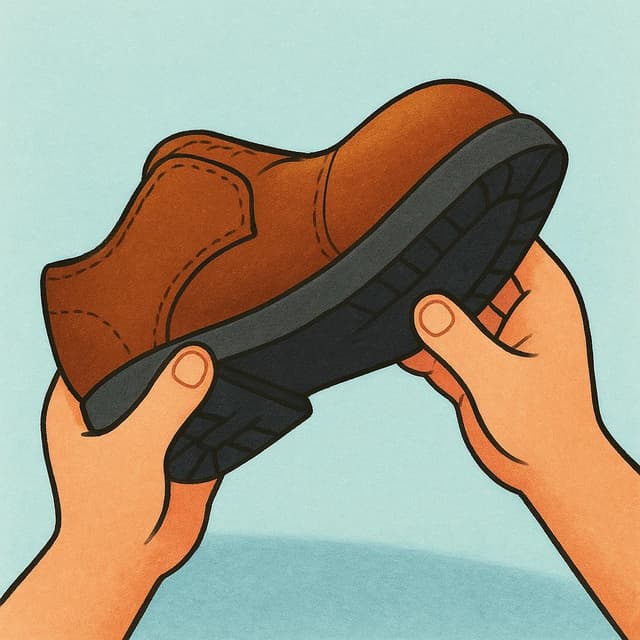
solar — to sole
The imperfect subjunctive of solar has -ra and -se forms, e.g., solara, solaras, solara, soláramos, solarais, solaran.
Formy solar Tryb Subj. przeszły niedokonany
Kiedy używać Tryb Subj. przeszły niedokonany
Use the imperfect subjunctive of solar in hypothetical situations, wishes, or polite requests about soling shoes in the past or present. For example, 'Si tuviera tiempo, solaría la suela' (If I had time, I would sole the sole).
Uwagi dotyczące solar w czasie Tryb Subj. przeszły niedokonany
Solar is regular in the imperfect subjunctive. You just add the standard endings (-ra or -se) to the preterite stem 'solara-'.
Przykładowe zdania
Si tuviera más experiencia, solara mejor las suelas.
If I had more experience, I would sole the soles better.
yo
Me gustaría que solaras estas suelas para mí.
I would like you to sole these soles for me.
tú
Ojalá él solara las suelas de todos los zapatos.
I wish he would sole the soles of all the shoes.
él/ella/usted
Si nosotros soláramos más, ganaríamos más dinero.
If we were to sole more, we would earn more money.
nosotros
Częste błędy
Błąd: Using the preterite instead of the imperfect subjunctive.
Poprawnie: For hypothetical or past subjunctive clauses, use forms like 'solara' or 'solase', not 'soló' or 'solamos'.
Dlaczego: The imperfect subjunctive expresses unreal conditions or desires, which the preterite cannot do.
Błąd: Confusing the -ra and -se endings.
Poprawnie: Both 'solara' and 'solase' are correct imperfect subjunctive forms. Use them interchangeably.
Dlaczego: Spanish offers two sets of endings for the imperfect subjunctive, both equally valid.
Opanuj hiszpańskie czasowniki w kontekście
Zapamiętywanie tabel to dopiero początek. Przeczytaj ponad 200 ilustrowanych i udźwiękowionych hiszpańskich historii, aby zobaczyć czasowniki takie jak 'solar' używane naturalnie — w czasach, których się uczysz.
Powiązane czasy
Czas teraźniejszy
yo: solo
The present indicative of solar is regular: solo, solas, sola, solamos, soláis, solan.
Czas przeszły prosty
yo: solé
The preterite of solar is regular: solé, solaste, soló, solamos, solasteis, solaron.
Czas przeszły niedokonany
yo: solaba
The imperfect of solar is regular: solaba, solabas, solaba, solábamos, solabais, solaban.
Czas przyszły
yo: solaré
The future of solar is regular: solaré, solarás, solará, solaremos, solaréis, solarán.
Tryb warunkowy
yo: solaría
The conditional of solar is regular: solaría, solarías, solaría, solaríamos, solaríais, solarían.
Tryb Subj. teraźniejszy
yo: sole
The present subjunctive of solar is: sole (yo/usted), soles (tú), solemos (nosotros), soléis (vosotros), solen (ellos/ustedes).
Tryb rozkazujący (twierdzący)
yo: sola
The imperative of solar is mostly regular: sola (tú), sole (usted), solad (vosotros), solen (ustedes).
Tryb rozkazujący (przeczący)
yo: no soles
Negative commands for solar use the present subjunctive: no soles (tú), no sole (usted), no soléis (vosotros), no solen (ustedes).