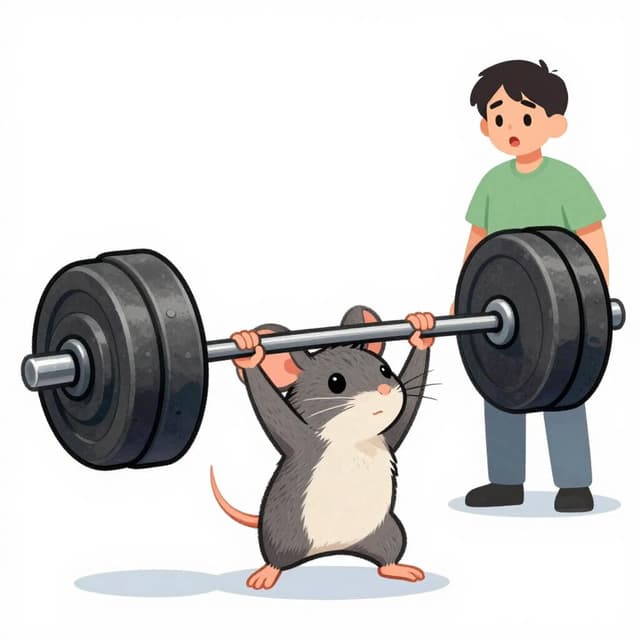
Koniugacja subestimar Tryb rozkazujący (twierdzący)
subestimar — underestimate
Subestima, subestime, subestimemos, subestimad, subestimen are commands for 'subestimar'.
Formy subestimar Tryb rozkazujący (twierdzący)
Kiedy używać Tryb rozkazujący (twierdzący)
Use the affirmative imperative to give direct commands or instructions. For 'subestimar,' it's telling someone not to underestimate something or someone.
Uwagi dotyczące subestimar w czasie Tryb rozkazujący (twierdzący)
Subestimar is regular in the affirmative imperative. The tú form 'subestima' is the same as the present indicative, while vosotros 'subestimad' drops the 'r' and adds 'd'.
Przykładowe zdania
¡Subestima las consecuencias!
Underestimate the consequences!
tú
No subestime su fuerza.
Don't underestimate his strength.
usted
¡Subestimemos el poder de la colaboración!
Let's underestimate the power of collaboration!
nosotros
Subestimad la dificultad de la tarea.
Underestimate the difficulty of the task.
vosotros
Subestimen la competencia.
Underestimate the competition.
ustedes
Częste błędy
Błąd: Using the subjunctive form for tú commands, e.g., 'no subestimes' instead of 'subestima'.
Poprawnie: The affirmative tú command is 'subestima'. Negative commands use the subjunctive.
Dlaczego: Spanish has distinct forms for affirmative and negative commands, and the affirmative tú command comes directly from the present indicative stem.
Błąd: Forgetting to add 'no' for negative commands.
Poprawnie: Negative commands require 'no' before the subjunctive verb.
Dlaczego: Spanish negative commands are formed using the present subjunctive, and 'no' is essential to negate them.
Opanuj hiszpańskie czasowniki w kontekście
Zapamiętywanie tabel to dopiero początek. Przeczytaj ponad 200 ilustrowanych i udźwiękowionych hiszpańskich historii, aby zobaczyć czasowniki takie jak 'subestimar' używane naturalnie — w czasach, których się uczysz.
Powiązane czasy
Czas teraźniejszy
yo: subestimo
Subestimo, subestimas, subestima, etc., describe current or habitual underestimating.
Czas przeszły prosty
yo: subestimé
Subestimé, subestimaste, subestimó, etc., mark completed past actions of underestimating.
Czas przeszły niedokonany
yo: subestimaba
Subestimaba, subestimabas, subestimaba, etc., describe past habits or ongoing situations.
Czas przyszły
yo: subestimaré
Subestimaré, subestimarás, subestimará, etc., indicate future actions of underestimating.
Tryb warunkowy
yo: subestimaría
Subestimaría, subestimarías, subestimaría, etc., express hypothetical 'would' scenarios.
Tryb Subj. teraźniejszy
yo: subestime
Subestime, subestimes, subestimemos, etc., express wishes, doubts, or emotions.
Tryb Subj. przeszły niedokonany
yo: subestimara
Subestimara/subestimase and its variants express past hypothetical or uncertain actions.
Tryb rozkazujący (przeczący)
yo: no subestimes
Use 'no subestimes', 'no subestime', etc., for negative commands with 'subestimar'.