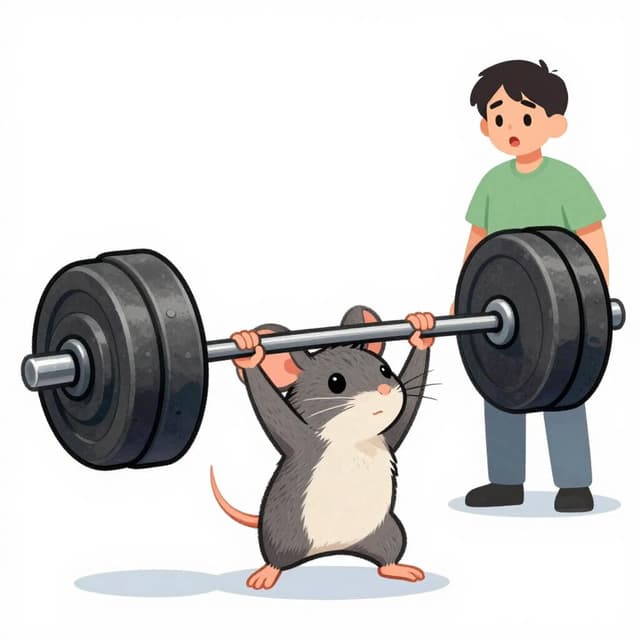
Koniugacja subestimar Tryb Subj. teraźniejszy
subestimar — underestimate
Subestime, subestimes, subestimemos, etc., express wishes, doubts, or emotions.
Formy subestimar Tryb Subj. teraźniejszy
Kiedy używać Tryb Subj. teraźniejszy
Use the present subjunctive after expressions of doubt, desire, emotion, necessity, or impersonal statements. It's for actions or states that are not presented as facts but as subjective possibilities.
Uwagi dotyczące subestimar w czasie Tryb Subj. teraźniejszy
Subestimar is regular in the present subjunctive. The forms are derived from the 'yo' form of the present indicative ('subestimo').
Przykładowe zdania
Dudo que subestimes su capacidad.
I doubt that you underestimate his ability.
tú
Es importante que no subestime el peligro.
It's important that he doesn't underestimate the danger.
él/ella/usted
Esperamos que subestimemos las dificultades.
We hope we underestimate the difficulties.
nosotros
Temo que subestimen el impacto.
I fear they underestimate the impact.
ellos/ellas/ustedes
Częste błędy
Błąd: Using the present indicative instead of the present subjunctive after trigger phrases like 'dudo que' or 'es importante que'.
Poprawnie: Use the present subjunctive: 'Dudo que subestimes...' not 'Dudo que subestimas...'
Dlaczego: These phrases indicate subjectivity, uncertainty, or desire, which require the subjunctive mood in Spanish.
Błąd: Forgetting the 'que' when it's needed to connect clauses.
Poprawnie: Make sure to include 'que' between the main clause and the subjunctive clause: 'Espero que subestimes...'
Dlaczego: The conjunction 'que' is necessary to link the two parts of the sentence when the subject changes or when expressing influence/emotion.
Opanuj hiszpańskie czasowniki w kontekście
Zapamiętywanie tabel to dopiero początek. Przeczytaj ponad 200 ilustrowanych i udźwiękowionych hiszpańskich historii, aby zobaczyć czasowniki takie jak 'subestimar' używane naturalnie — w czasach, których się uczysz.
Powiązane czasy
Czas teraźniejszy
yo: subestimo
Subestimo, subestimas, subestima, etc., describe current or habitual underestimating.
Czas przeszły prosty
yo: subestimé
Subestimé, subestimaste, subestimó, etc., mark completed past actions of underestimating.
Czas przeszły niedokonany
yo: subestimaba
Subestimaba, subestimabas, subestimaba, etc., describe past habits or ongoing situations.
Czas przyszły
yo: subestimaré
Subestimaré, subestimarás, subestimará, etc., indicate future actions of underestimating.
Tryb warunkowy
yo: subestimaría
Subestimaría, subestimarías, subestimaría, etc., express hypothetical 'would' scenarios.
Tryb Subj. przeszły niedokonany
yo: subestimara
Subestimara/subestimase and its variants express past hypothetical or uncertain actions.
Tryb rozkazujący (twierdzący)
yo: subestima
Subestima, subestime, subestimemos, subestimad, subestimen are commands for 'subestimar'.
Tryb rozkazujący (przeczący)
yo: no subestimes
Use 'no subestimes', 'no subestime', etc., for negative commands with 'subestimar'.