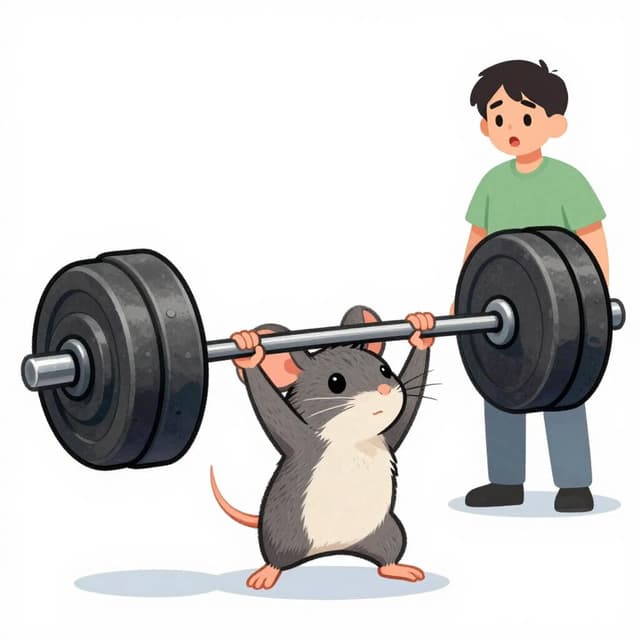
Koniugacja subestimar Czas przeszły prosty
subestimar — underestimate
Subestimé, subestimaste, subestimó, etc., mark completed past actions of underestimating.
Formy subestimar Czas przeszły prosty
Kiedy używać Czas przeszły prosty
Use the preterite to describe a specific, completed action of underestimating in the past. Think of it as a snapshot of a finished event.
Uwagi dotyczące subestimar w czasie Czas przeszły prosty
Subestimar is regular in the preterite. All the forms follow the standard -ar verb pattern.
Przykładowe zdania
Yo subestimé la dificultad de la tarea.
I underestimated the difficulty of the task.
yo
¿Tú subestimaste su habilidad?
Did you underestimate his ability?
tú
Él subestimó el tiempo necesario.
He underestimated the time needed.
él/ella/usted
Nosotros subestimamos la reacción del público.
We underestimated the audience's reaction.
nosotros
Ellos subestimaron el costo total.
They underestimated the total cost.
ellos/ellas/ustedes
Częste błędy
Błąd: Using the imperfect instead of the preterite for a single, completed act of underestimating.
Poprawnie: For a specific instance like 'I underestimated him yesterday,' use the preterite: 'Lo subestimé ayer.'
Dlaczego: The preterite is for completed actions, while the imperfect describes ongoing or habitual past actions.
Błąd: Forgetting the accent on 'subestimé' (yo) and 'subestimó' (él/ella/usted).
Poprawnie: Remember the accents: 'subestimé' and 'subestimó'.
Dlaczego: These accents are crucial for correct pronunciation and to distinguish these forms from similar-sounding words.
Opanuj hiszpańskie czasowniki w kontekście
Zapamiętywanie tabel to dopiero początek. Przeczytaj ponad 200 ilustrowanych i udźwiękowionych hiszpańskich historii, aby zobaczyć czasowniki takie jak 'subestimar' używane naturalnie — w czasach, których się uczysz.
Powiązane czasy
Czas teraźniejszy
yo: subestimo
Subestimo, subestimas, subestima, etc., describe current or habitual underestimating.
Czas przeszły niedokonany
yo: subestimaba
Subestimaba, subestimabas, subestimaba, etc., describe past habits or ongoing situations.
Czas przyszły
yo: subestimaré
Subestimaré, subestimarás, subestimará, etc., indicate future actions of underestimating.
Tryb warunkowy
yo: subestimaría
Subestimaría, subestimarías, subestimaría, etc., express hypothetical 'would' scenarios.
Tryb Subj. teraźniejszy
yo: subestime
Subestime, subestimes, subestimemos, etc., express wishes, doubts, or emotions.
Tryb Subj. przeszły niedokonany
yo: subestimara
Subestimara/subestimase and its variants express past hypothetical or uncertain actions.
Tryb rozkazujący (twierdzący)
yo: subestima
Subestima, subestime, subestimemos, subestimad, subestimen are commands for 'subestimar'.
Tryb rozkazujący (przeczący)
yo: no subestimes
Use 'no subestimes', 'no subestime', etc., for negative commands with 'subestimar'.