The Composer Who Refused to Hear His Own Symphony
Atinge orice cuvânt pentru o traducere instantanee. Folosește butoanele de redare pentru a asculta povestea în timp ce citești.
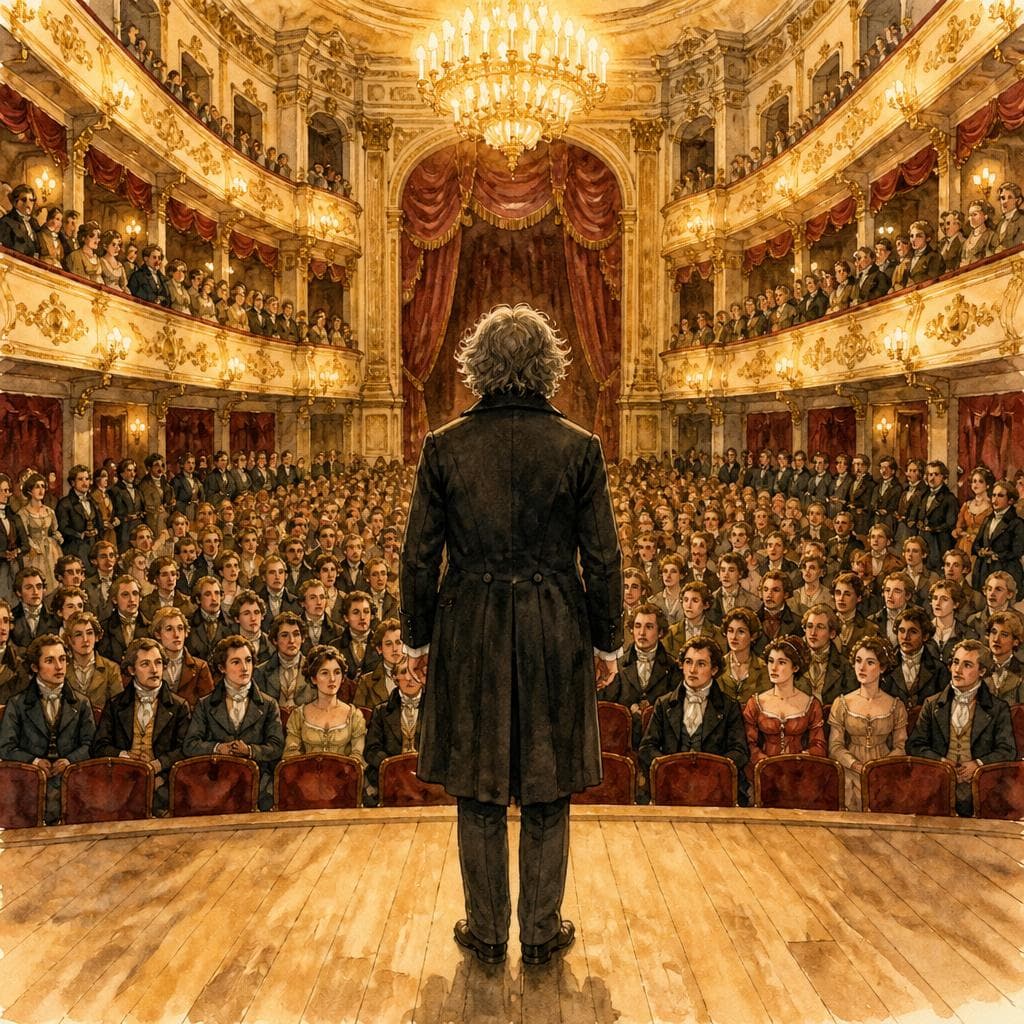
The hall was completely full. Every seat in the Kärntnerthor Theatre in Vienna was taken, and people were standing along the walls. They had come to hear something new — a symphony that nobody had performed before. But the man who had written it could not hear a single note.
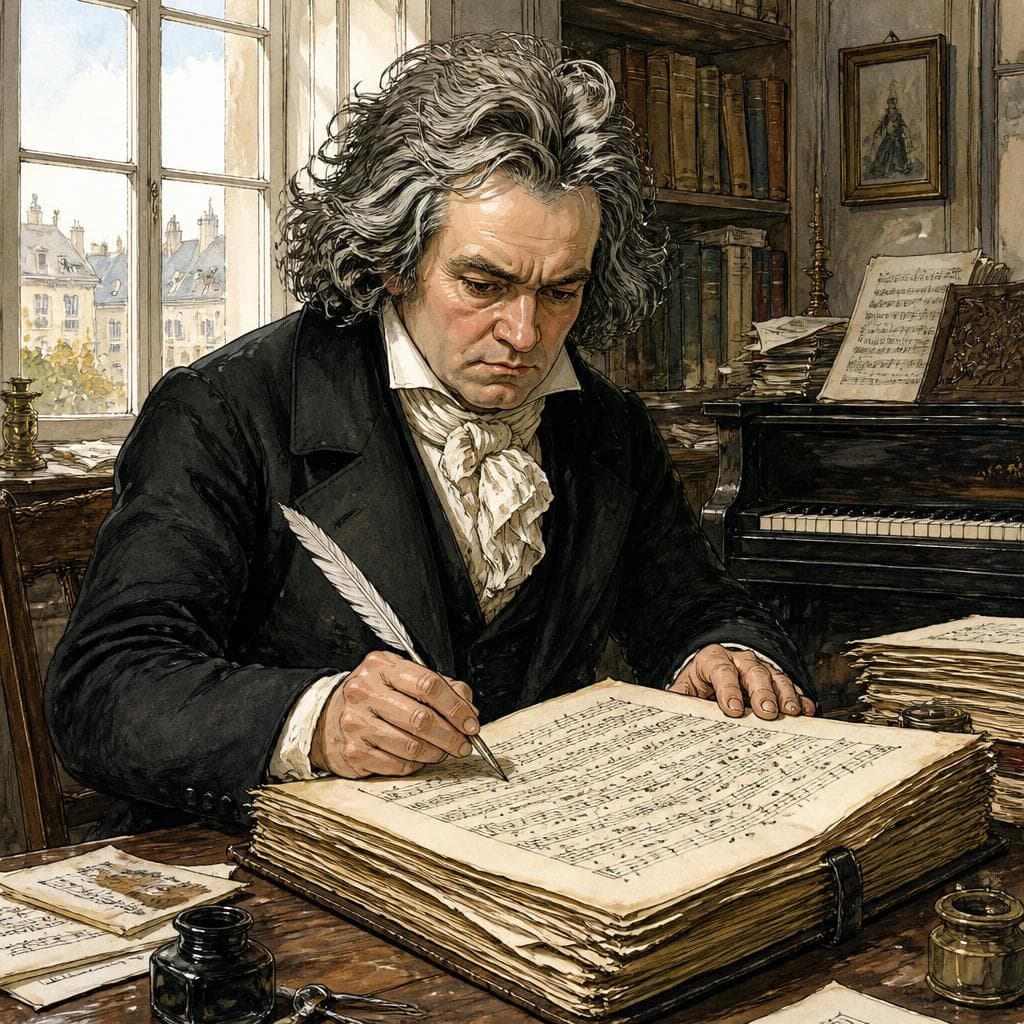
Ludwig van Beethoven was fifty-three years old in 1824, and he had been almost completely deaf for years. He could not hear conversations. He could not hear birds. He could not hear his own piano when he played it. And yet, somehow, he had spent the last two years writing his Ninth Symphony — a massive, complex piece of music that included a full orchestra and a choir of singers. The music existed only in his mind.
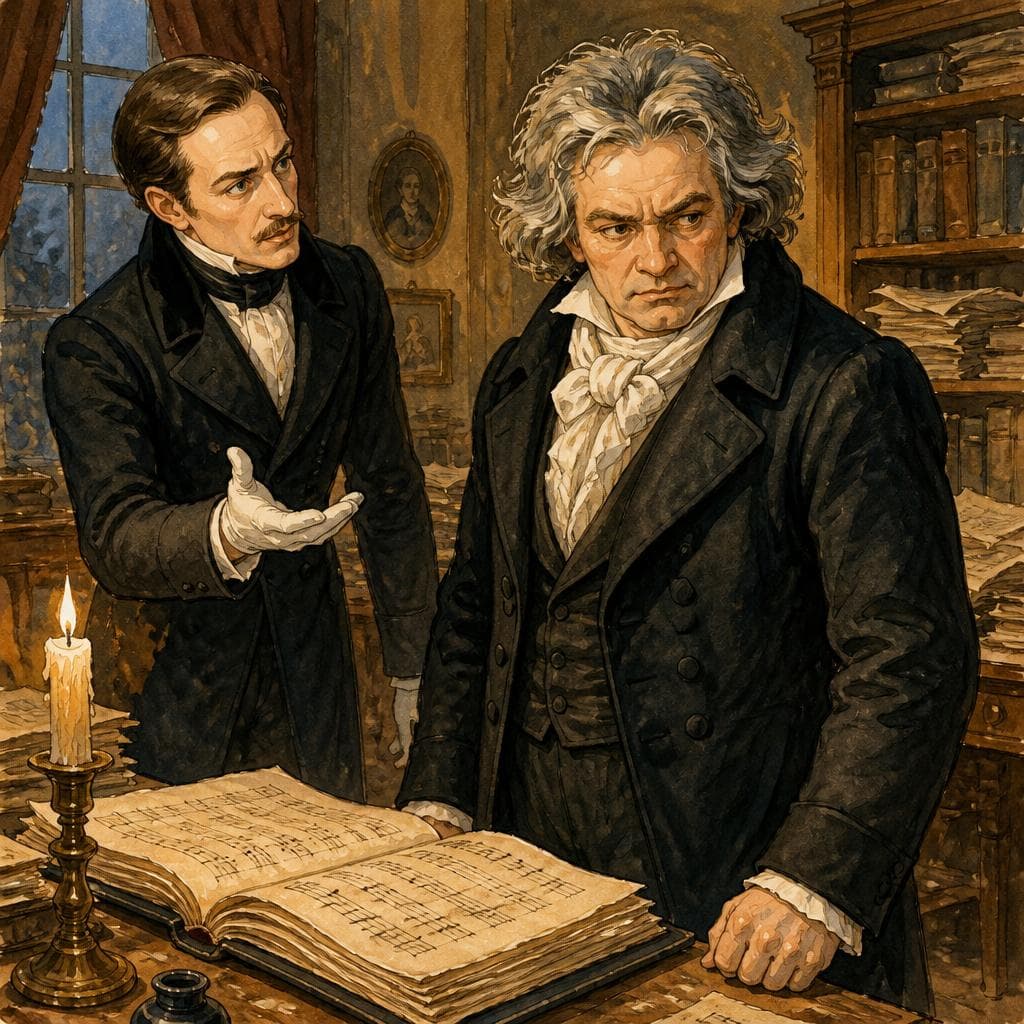
His friends were worried. Some of them tried to stop him from appearing at the premiere. "It will be too painful," one of them told him. "You will be standing there, in front of everyone, and you will hear nothing."
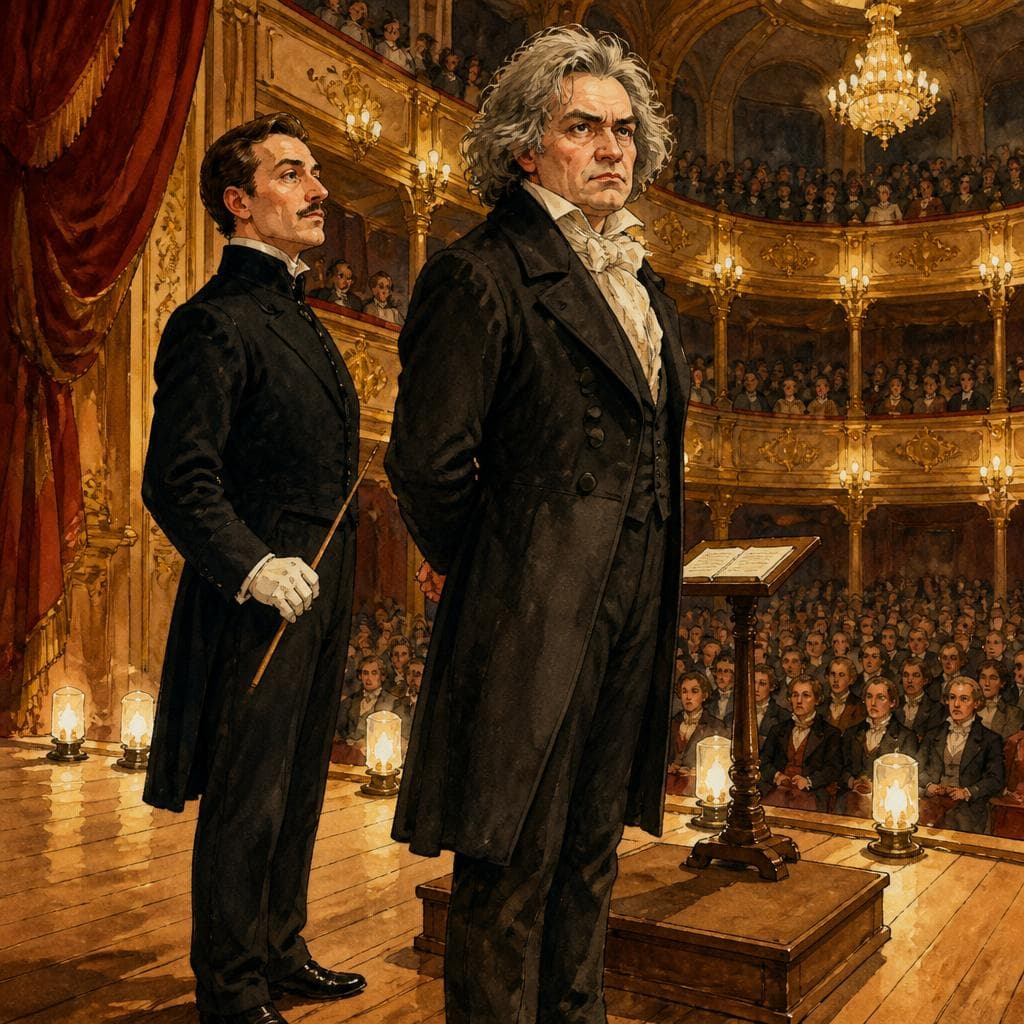
But Beethoven refused to stay home. He insisted on standing at the front of the stage, near the conductor, so that the audience could see him. He wanted to be part of the night.
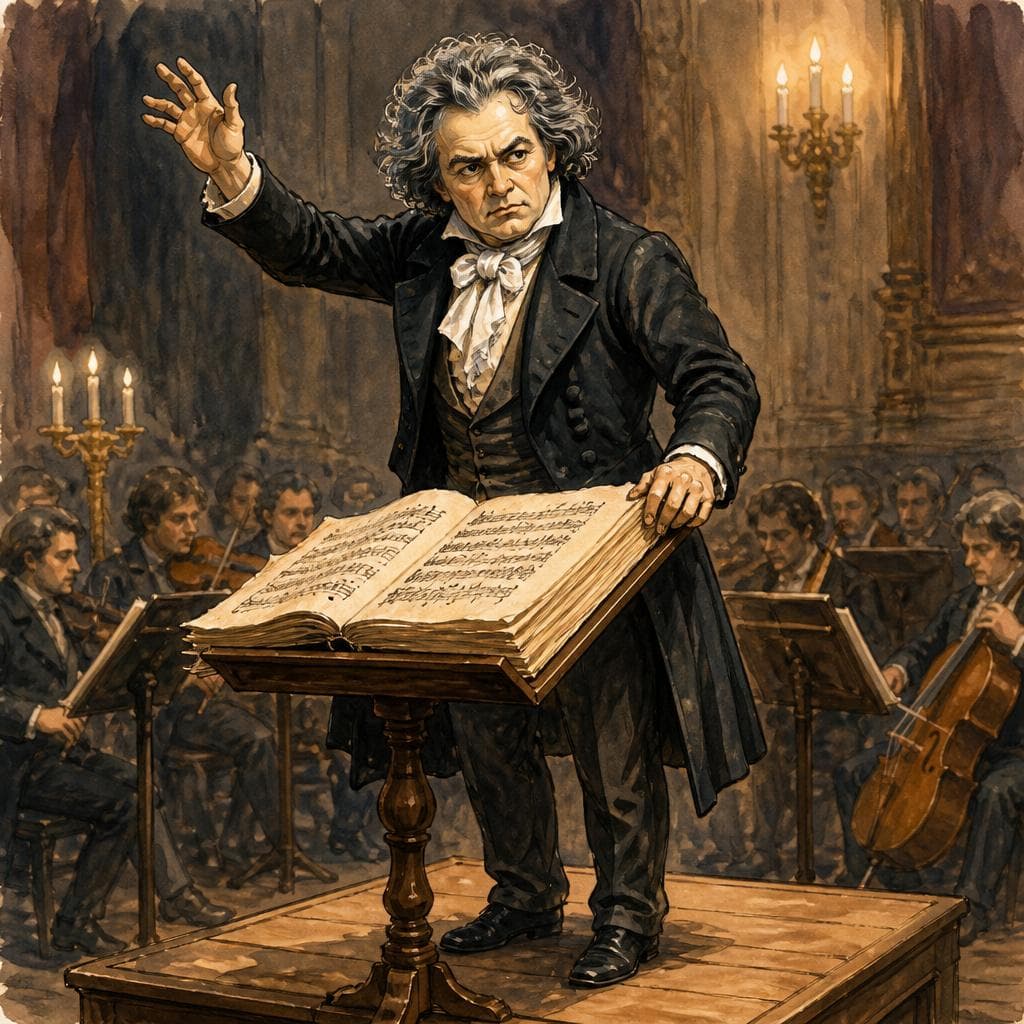
There was a practical problem, however. If Beethoven stood at the front and tried to conduct the orchestra himself, there was a real risk of disaster. He could not hear the music, so he could not keep the correct tempo. The musicians would become confused. The whole performance could fall apart.
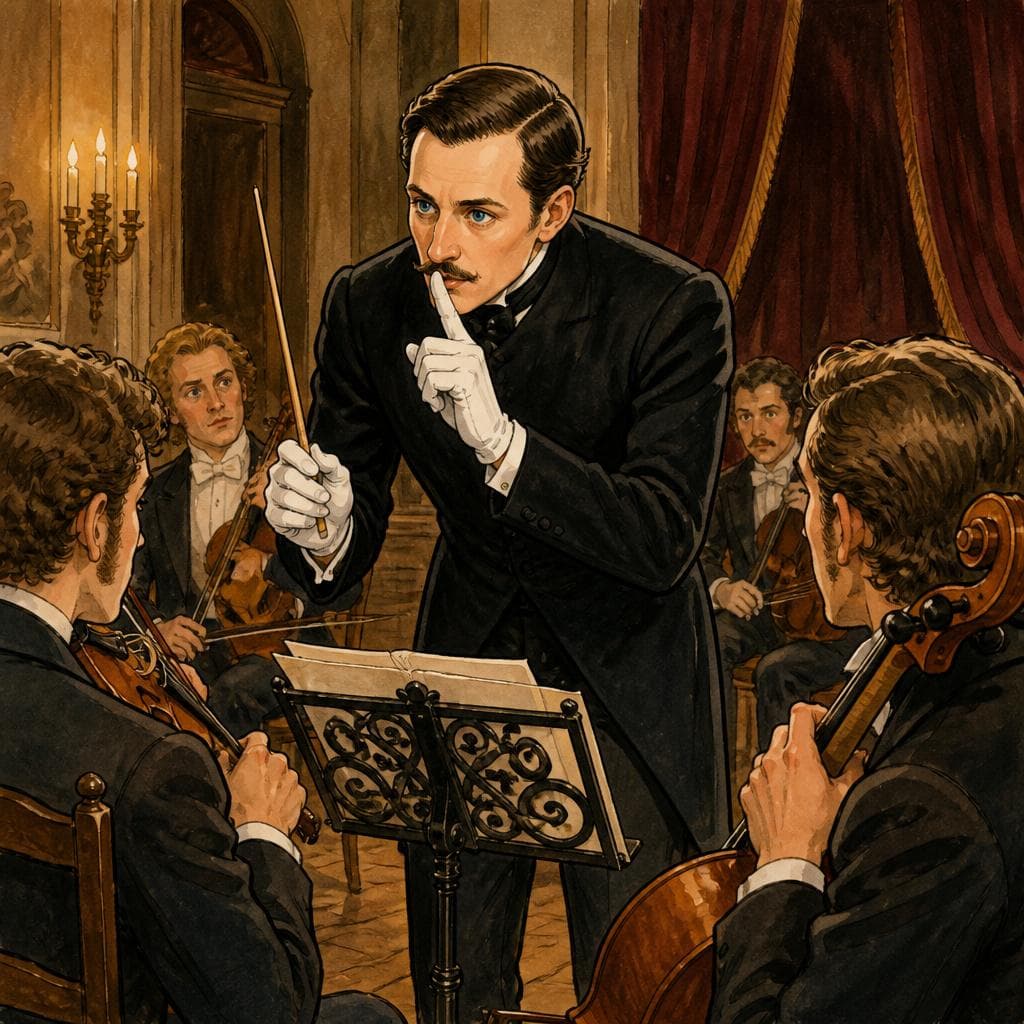
The solution was careful and a little sad. The theatre hired a professional conductor, Michael Umlauf, to actually lead the orchestra. Before the performance, Umlauf quietly told the musicians a single, important instruction: "Watch me. Only me. Do not follow Beethoven."
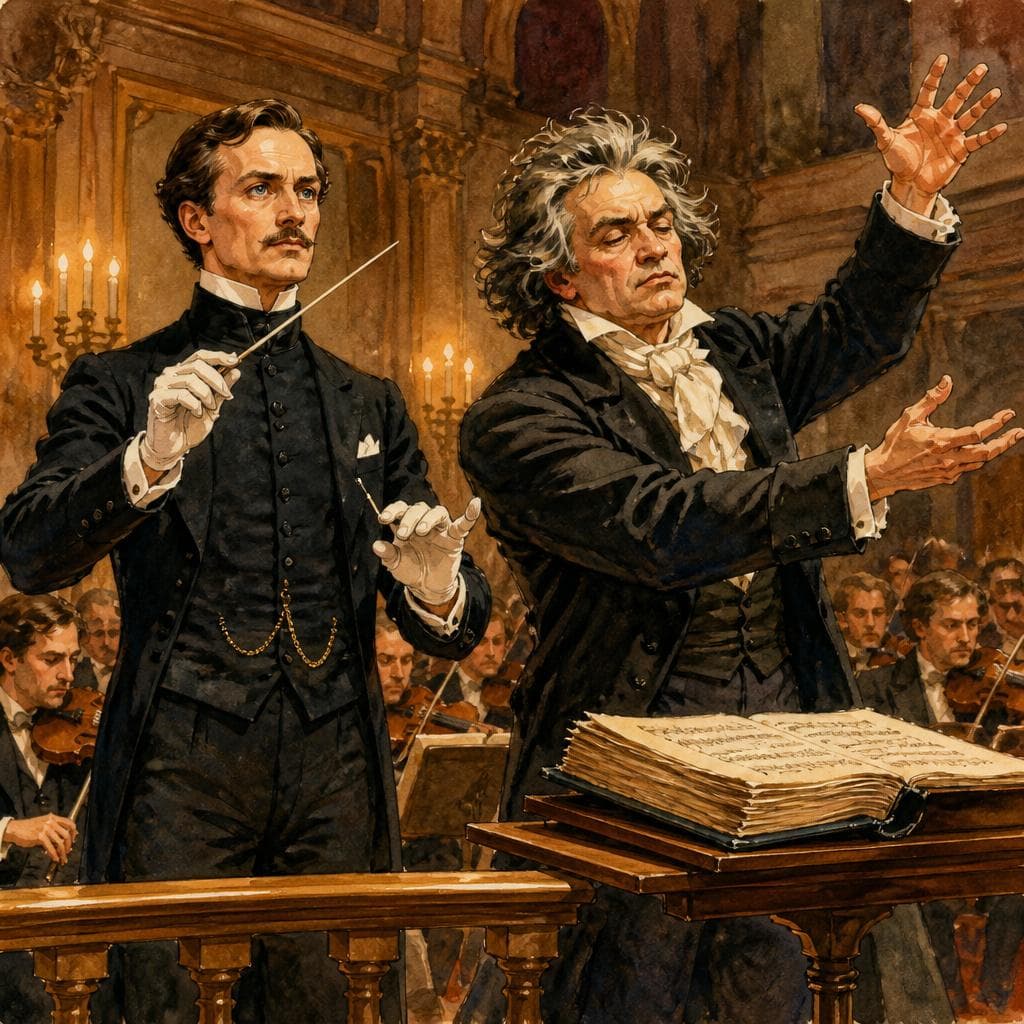
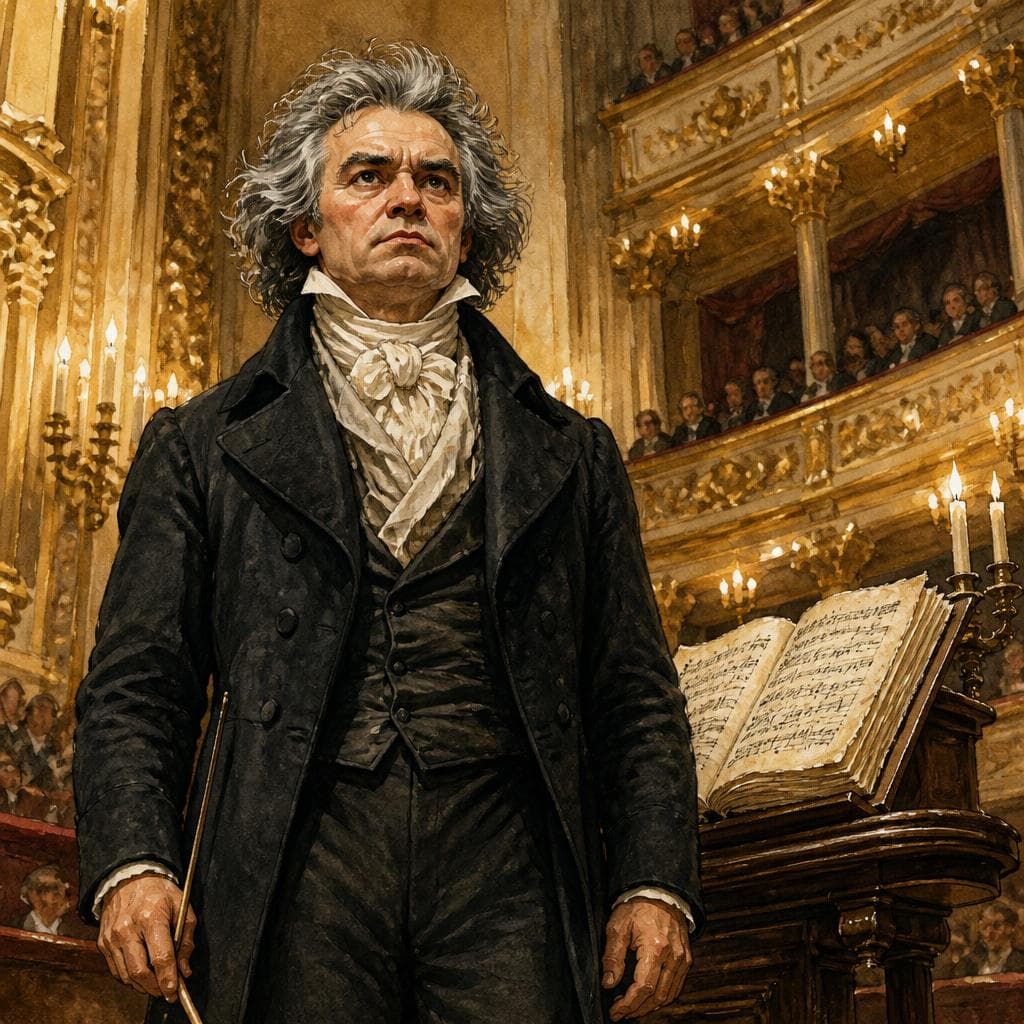
So on the night of the premiere, there were two men standing at the front. Umlauf led the orchestra with small, precise movements. And Beethoven stood just beside him, waving his arms at the wrong moments, turning pages of his score at the wrong time, completely lost in his own silent world. The musicians followed Umlauf. They never looked at Beethoven.
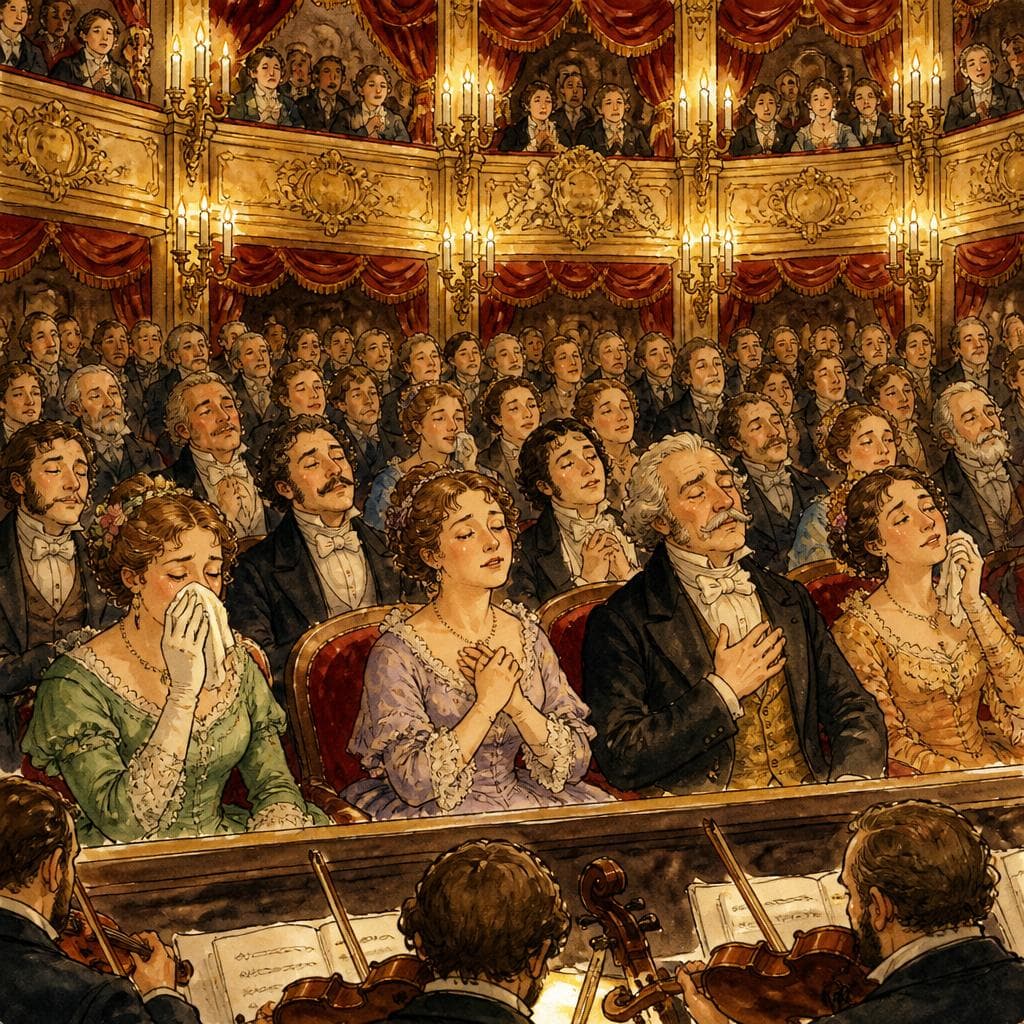
The audience, of course, did not know any of this. The symphony lasted over an hour. The final movement — the famous Ode to Joy — filled the theatre with voices and instruments together. It was something that had never been done before in a symphony. People in the audience felt a strange, powerful emotion. Some of them were crying.
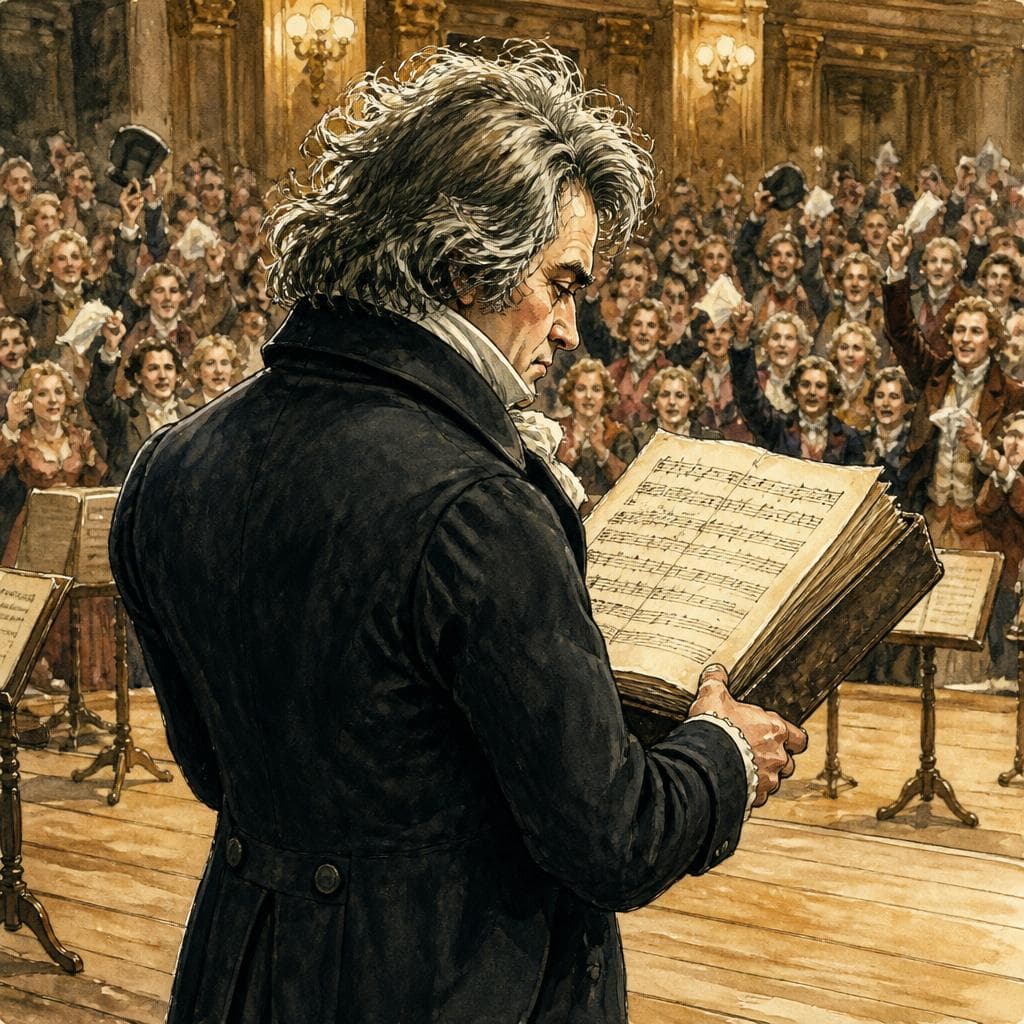
When the music ended, the audience exploded. They stood up. They shouted. They waved their hats and their handkerchiefs in the air. The noise was enormous. But Beethoven did not turn around. He was still looking at his score, still lost in his private silence. He had no idea that the audience was going wild behind him.
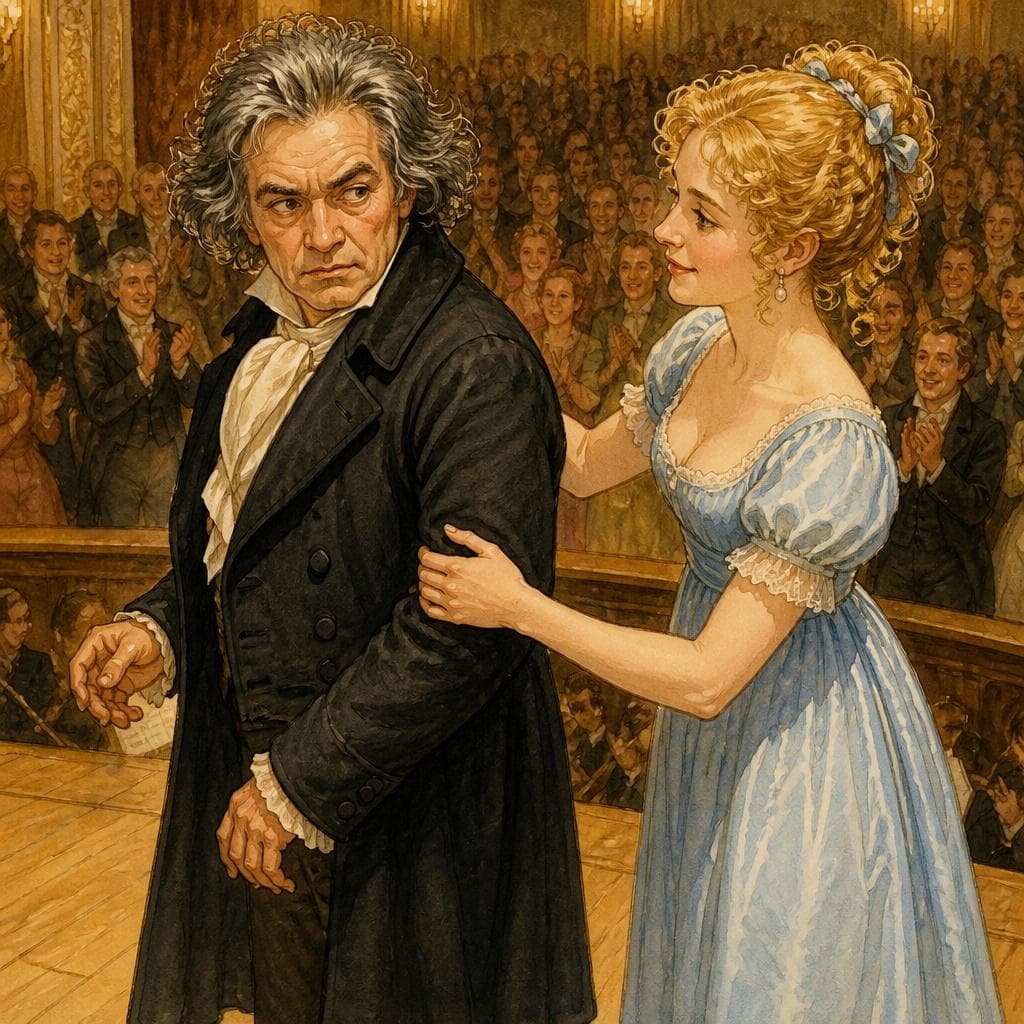
One of the singers, a young woman named Caroline Unger, made a quick decision. She walked over to Beethoven, gently touched his arm, and turned him around to face the hall.
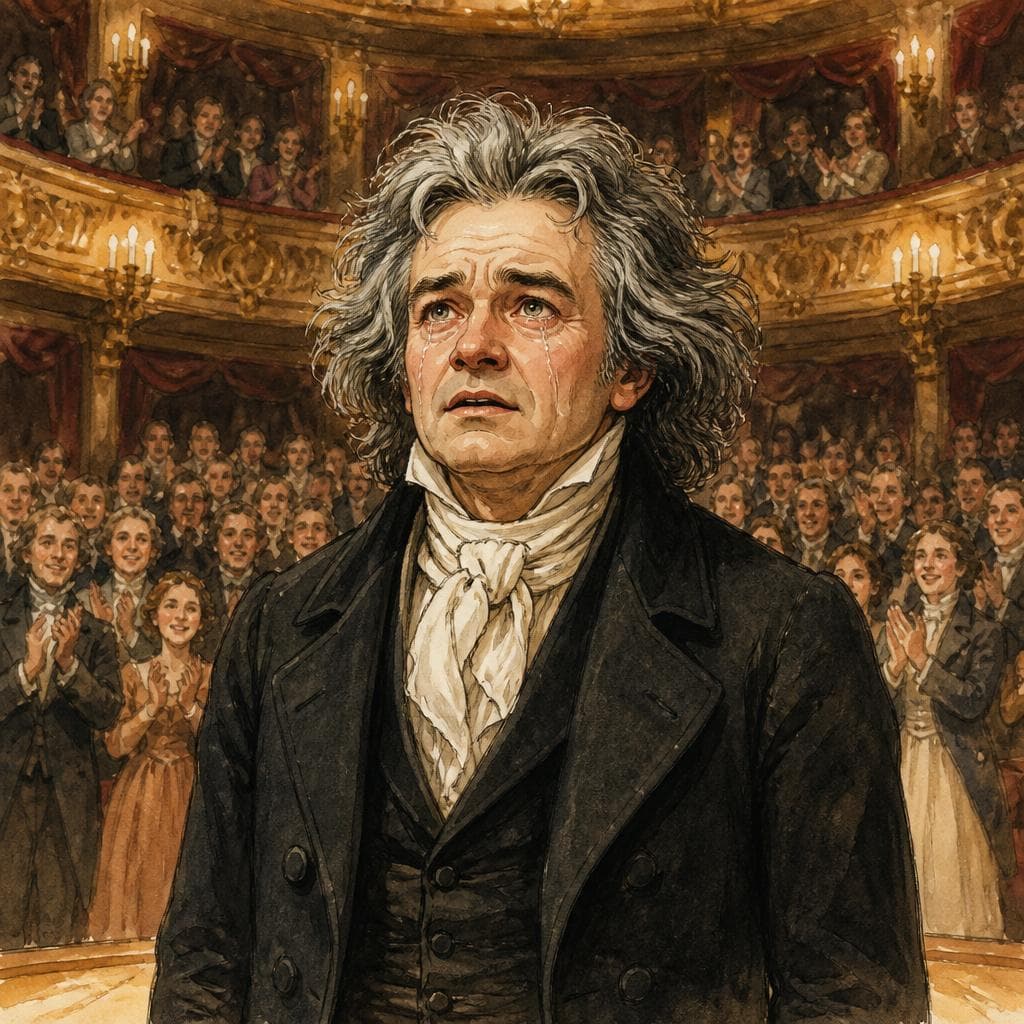
What he saw in that moment must have been overwhelming. Hundreds of faces, all looking at him. Mouths open, shouting. Hands moving. The theatre was in complete chaos — the beautiful kind. Beethoven looked out at all of it, and he began to cry.
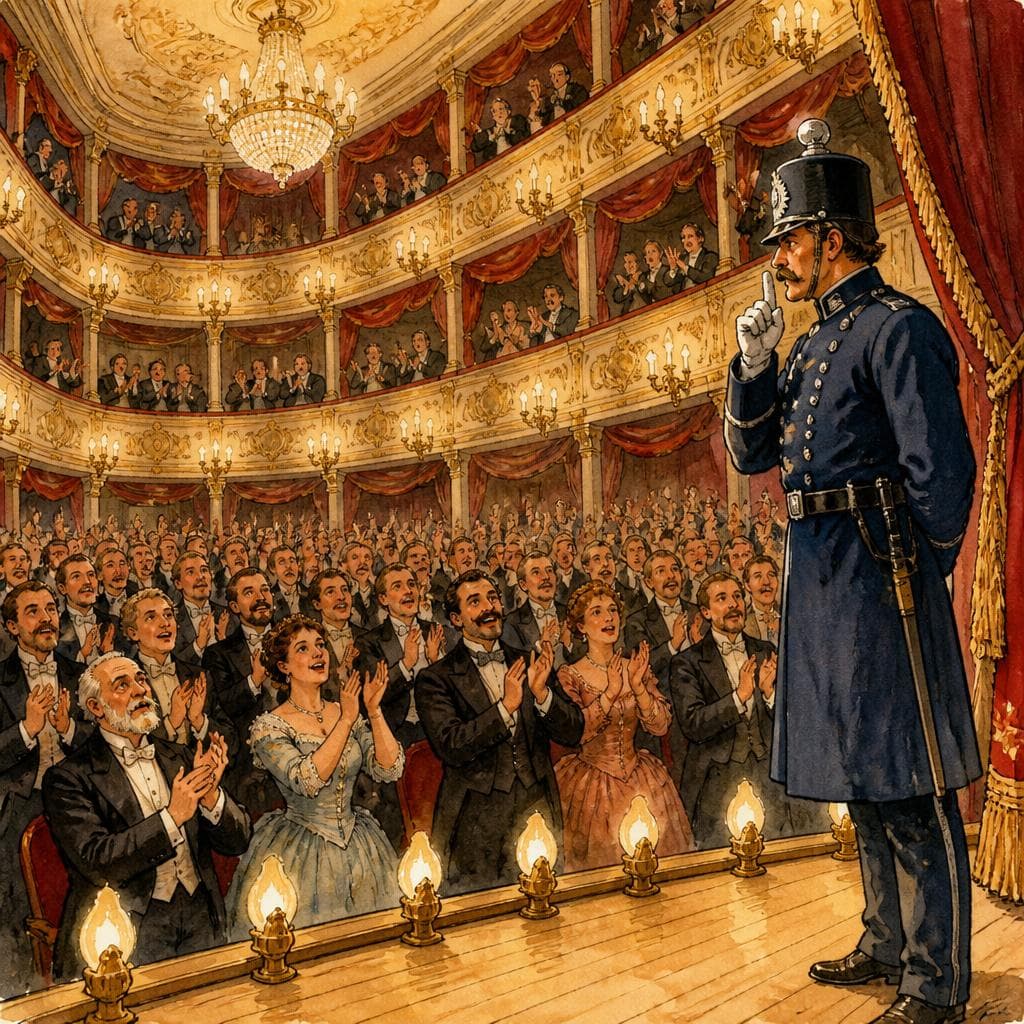
The audience applauded five times in total that night. By law, the royal family in Vienna only received three rounds of applause. Five was illegal. A police officer eventually had to ask the audience to stop.
Beethoven never composed another symphony after the Ninth. His health became very bad in the following years, and he died in 1827. But on that one night in Vienna, a man who lived in total silence had made a room full of people feel something so big that the law could not contain it. He never heard the music. But somehow, he had understood exactly what it needed to be.