aburrido
“aburrido” means “boring” in Spanish. It has 2 different meanings depending on context:
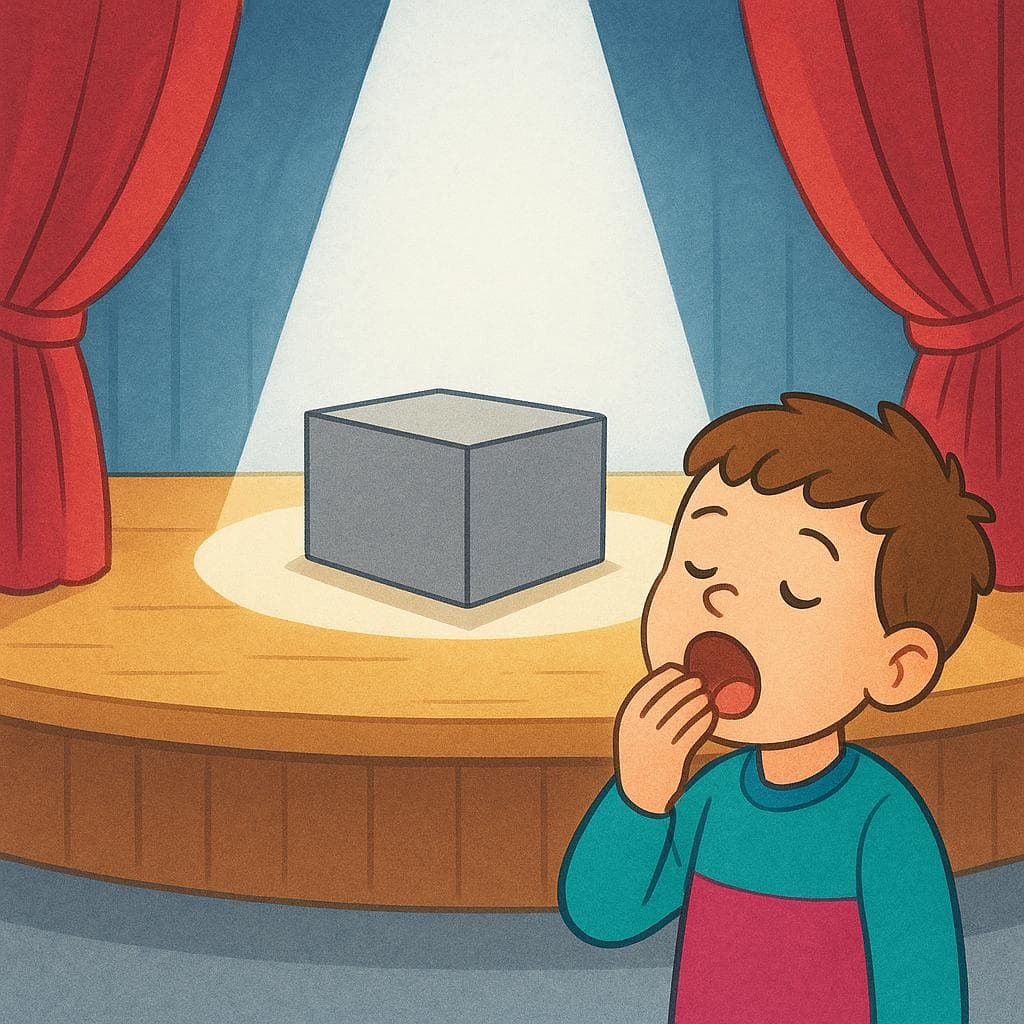

boring
Also: dull, tedious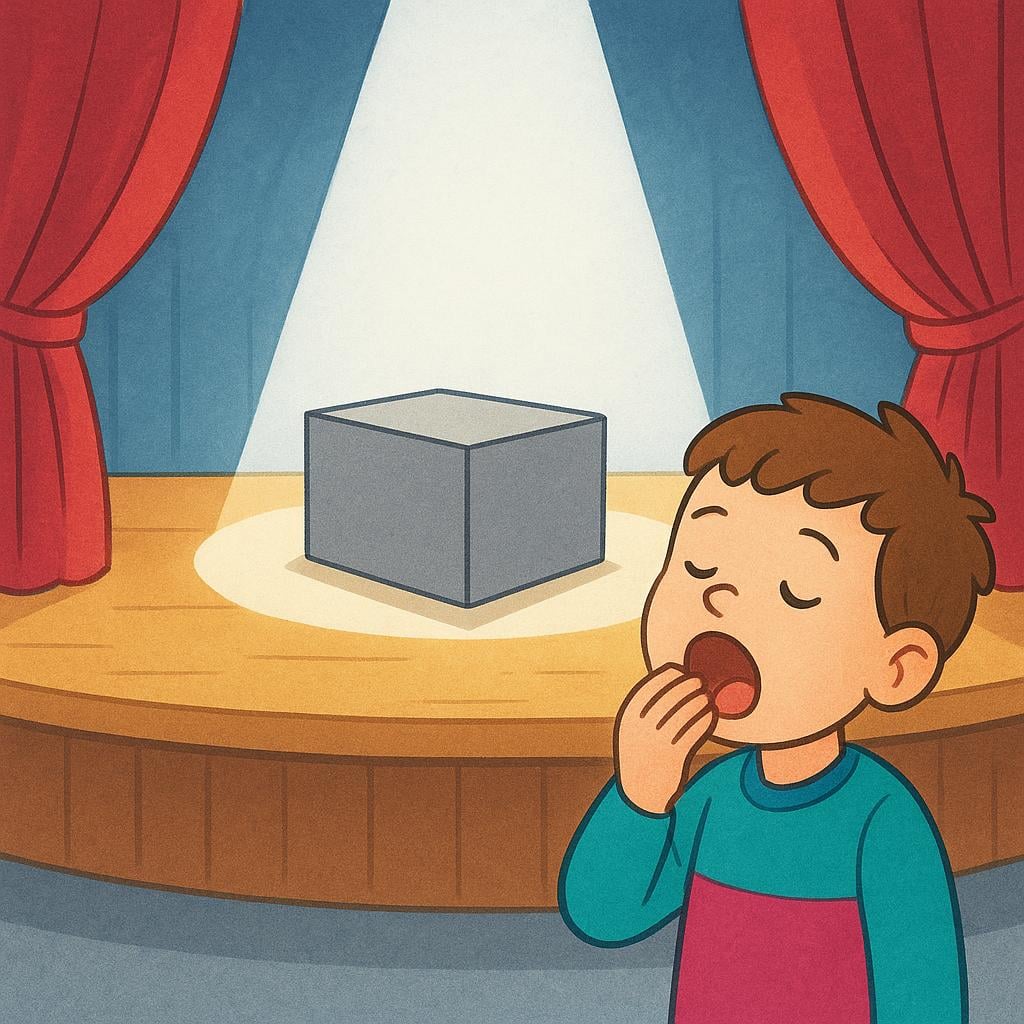
📝 In Action
Esa clase de historia es muy aburrida.
A1That history class is very boring.
No me gusta su trabajo; es un trabajo aburrido y repetitivo.
A2I don't like his job; it's a dull and repetitive job.
bored
Also: fed up, uninterested
📝 In Action
Estoy aburrido porque no hay nada que hacer.
A1I am bored because there is nothing to do.
Mis hermanos están aburridos de esperar el autobús.
A2My siblings are bored of waiting for the bus.
Ella estaba aburrida con la conversación.
B1She was bored with the conversation.
Translate to Spanish
✏️ Quick Practice
Quick Quiz: aburrido
Question 1 of 2
Which sentence correctly uses 'aburrido' to mean that the speaker finds the book dull?
📚 More Resources
👥 Word Family▼
🎵 Rhymes▼
📚 Etymology▼
This word comes from the older Spanish verb 'aburrir,' which originally meant 'to annoy' or 'to bother.' This verb, in turn, is thought to have roots in the Latin word *abhorrere*, meaning 'to shrink back from' or 'to dislike strongly.' Over time, the meaning evolved from strong dislike to the feeling of being unengaged or bored.
First recorded: 13th century (in its verbal form)
Cognates (Related words)
💡 Master Spanish
Take your Spanish to the next level. Read 200+ illustrated and narrated Spanish stories tailored to your level with the Inklingo app!
Frequently Asked Questions
What is the difference between 'ser aburrido' and 'estar aburrido'?
'Ser aburrido' describes a permanent quality, meaning someone or something *is* boring (dull). 'Estar aburrido' describes a temporary state or emotion, meaning someone *feels* bored (unengaged).
Is 'aburrido' a verb or an adjective?
It is most commonly used as an adjective (meaning 'bored' or 'boring'). However, it is also the past participle of the verb 'aburrir' (to bore), used to form perfect tenses or passive voice.