
250+ Spanish Stories for Learners
Choose from 250+ free Spanish stories for learners. Filter by A0, A1, A2, B1, or B2, compare reading time, and start reading immediately.
Browse by level
Pick your level, then start reading right away — no account needed.
New to the language? Start with A0. Know a little already? Try A1.
22 stories found

A Robot's Morning
A story about a robot's simple morning routine.
Start reading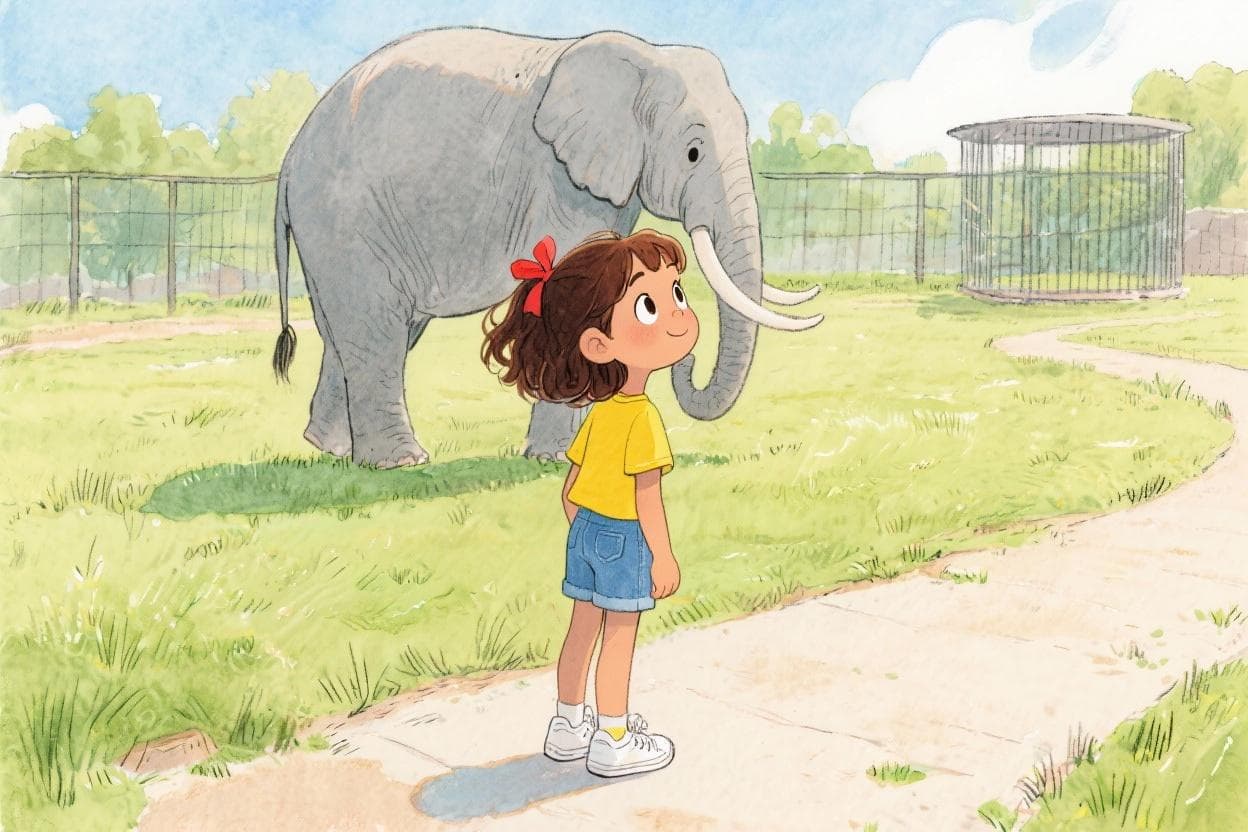
A Trip to the Zoo
A story about a girl named Ana visiting the zoo.
Start reading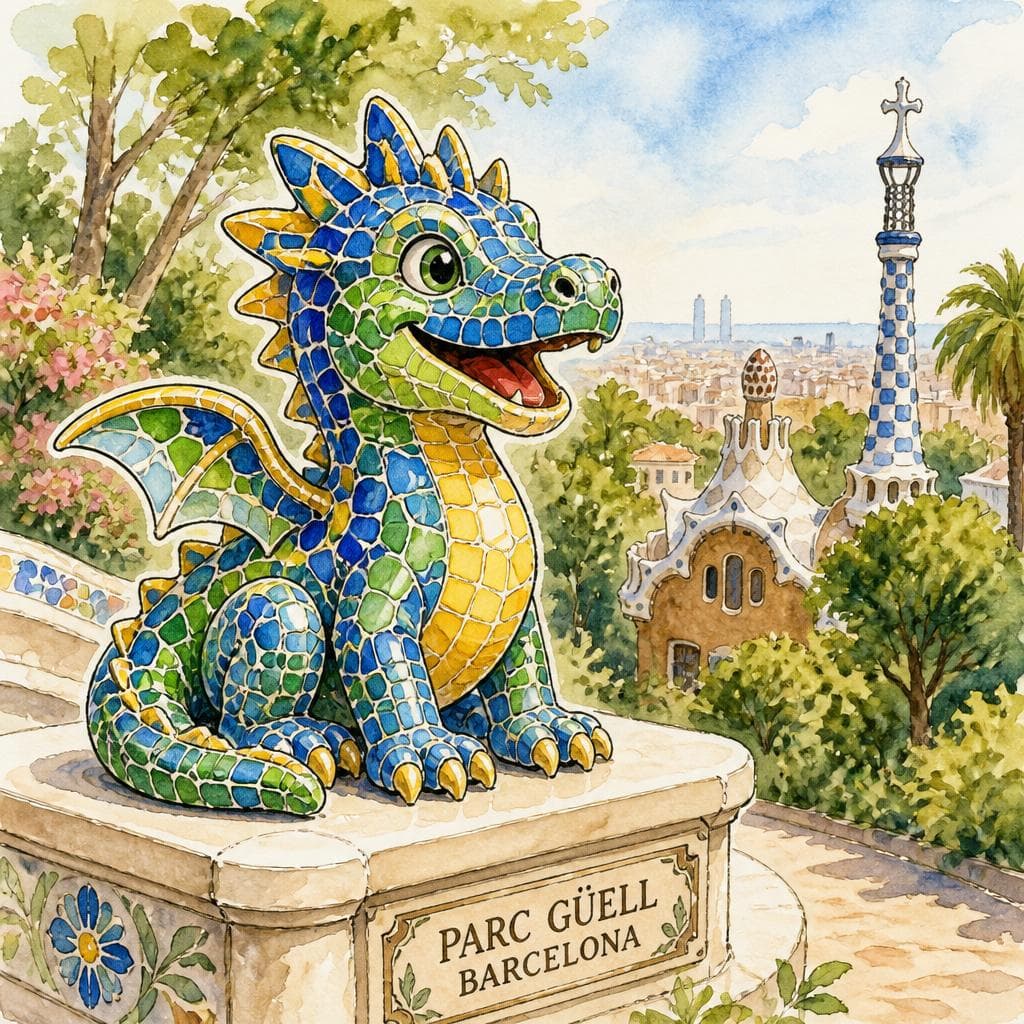
El pequeño dragón de Gaudí
A story about a colorful dragon statue in a park in Barcelona.
Start reading
Making a Pizza
A story about a person making a delicious pizza.
Start reading
My First Bike
A story about a person getting their first bicycle.
Start reading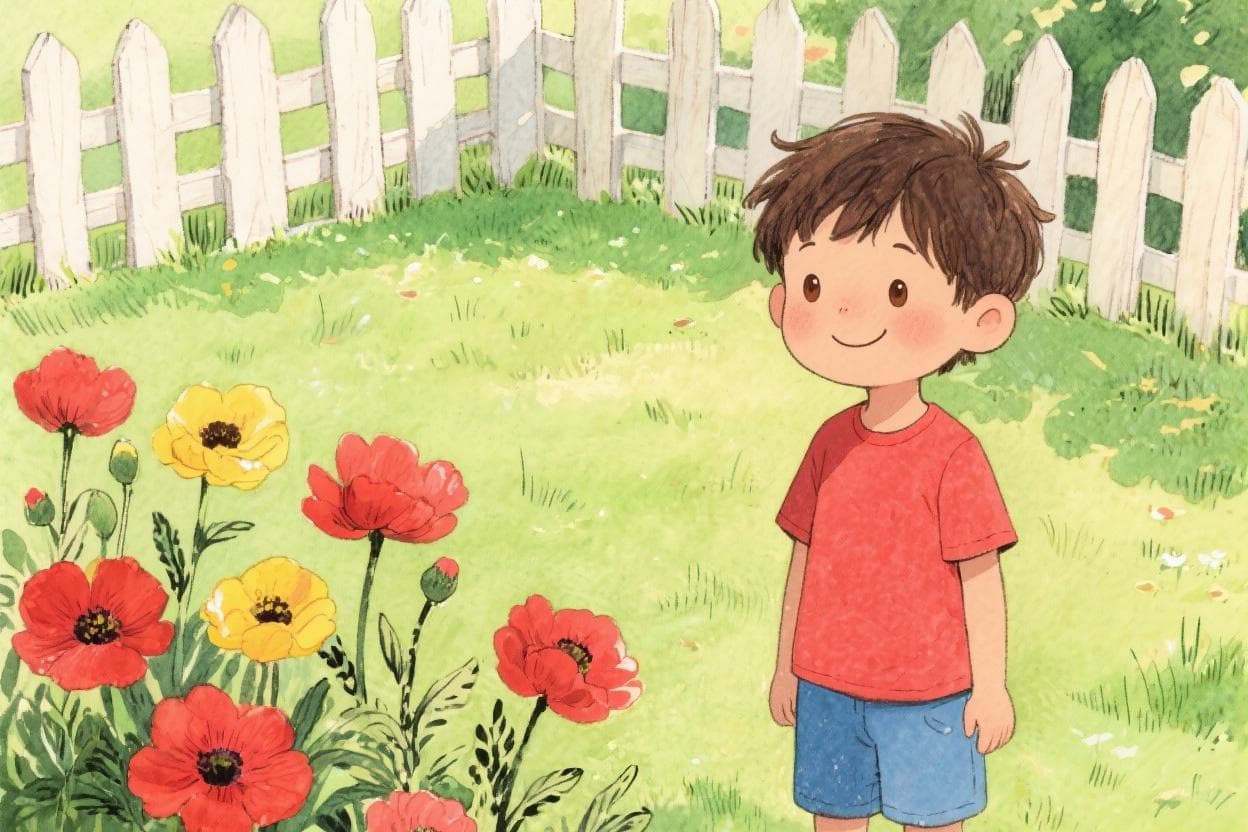
My Little Garden
A story about a person taking care of the flowers in their small garden.
Start readingBrowse by Reading Goal
Use these only when you want a narrower library view: easy beginner texts, level-based graded readers, or very short stories.
Spanish Stories for Beginners
Easy A1 and A2 stories for learners who want simple Spanish texts they can actually finish.
131+ storiesGraded Spanish Stories
A1-B2 Spanish graded readers organized by level, topic, and reading difficulty.
199+ storiesShort Spanish Stories
Quick Spanish reading practice for a complete story in a few focused minutes.
104+ storiesChat storiesPractice Spanish as it appears in messages
Read texting-style stories with short replies, voice notes, dialogue, and casual phrasing.
15 storiesFind Spanish stories by your goal
Whatever you are working on — easy reading, listening, or the jump to intermediate — there is a focused collection for it.
Easy Spanish Stories
The simplest A0–A1 texts with audio and pictures — perfect for your very first story.
A0–A1Intermediate Spanish Stories
B1–B2 narratives with past and subjunctive tenses, idioms, and audio to bridge to fluency.
B1–B2Spanish Reading Practice
Graded comprehensible input from A0 to B2 with tap-to-translate vocabulary and quizzes.
A0–B2Spanish Listening Practice
Native-speaker narration with the full text to read along — train your ear at every level.
With audioSpanish Stories for Kids
Short, picture-filled stories with audio — gentle and fun for young learners.
A0–A2Learn Spanish with Stories
The complete guide: why story-based reading works and how to do it right.
GuideBrowse Stories by Topic
Explore stories across 13 different topics — from mystery and crime to food and travel.
How to Learn Spanish with Stories
Graded readers are stories written specifically for language learners. Unlike authentic texts (novels, news articles), graded stories carefully control vocabulary and grammar to match your proficiency level. At A1, you''ll encounter present tense and the most common 500 words. By B2, stories include subjunctive mood, idiomatic expressions, and complex narrative structures.
Read the full guide: Learn Spanish with Stories →
Choosing the Right Level
Not sure where to start? Here''s what each CEFR level means for your reading practice:
- A0 (Starter): Very short stories with the simplest sentence patterns and everyday vocabulary. Start here if Spanish still feels new, or if you want a quick confidence-building read.
- A1 (Beginner): Simple present tense, basic vocabulary (greetings, family, food, daily routines). You should recognize most words and follow the plot easily. Perfect if you''re in your first months of learning. See A1 grammar topics →
- A2 (Elementary): Past tenses introduced (preterite, imperfect), wider vocabulary, longer sentences. You can follow conversations and descriptions with some effort. See A2 grammar topics →
- B1 (Intermediate): Subjunctive introduced, conditional tense, compound sentences. Stories cover everyday topics with natural conversational language. See B1 grammar topics →
- B2 (Upper Intermediate): Complex grammar, idioms, figurative language, nuanced vocabulary. Stories read closer to authentic Spanish texts. See B2 grammar topics →
Looking for more ways to practice? Explore our vocabulary lists, common phrases, and interactive tools.
Frequently Asked Questions
Why is reading stories an effective way to learn Spanish?
Reading stories provides "comprehensible input," allowing you to learn new vocabulary and grammar naturally in context. Research by linguist Stephen Krashen shows that we acquire language most effectively when we understand messages in our target language. Stories make this process engaging and memorable — far more effective than memorizing vocabulary lists.
How do I know which level to start with?
If you are brand new to Spanish, start with A1. If you know some basic phrases, try A2. If you can hold a simple conversation, B1 is a great place to be. You can also take our free Spanish Level Test to find out your exact CEFR level. Don''t worry, you can easily switch between levels to find the perfect fit!
How does the Inklingo app enhance the story experience?
The Inklingo app turns reading into an active learning experience. You can tap any word for an instant translation, save vocabulary to a spaced-repetition system (SRS) for review, and take quizzes to track your comprehension and progress.
Are these Spanish stories free?
Yes! All of our graded Spanish stories are completely free to read on the website with full audio narration. The Inklingo app offers additional features like word-tap translations, vocabulary saving, and comprehension quizzes to enhance your learning.
What level should I start reading Spanish stories at?
Start at a level where you can understand about 80-90% of the text without looking up words. This is the "sweet spot" for language acquisition — challenging enough to learn new things, but comfortable enough to enjoy the story. If you understand everything, move up a level. If you feel lost, try one level lower.
How many Spanish stories should I read per day?
Even one story per day makes a significant difference. Consistency matters more than volume. Reading for 15-20 minutes daily in Spanish is more effective than a long session once a week. Each story takes 3-10 minutes depending on length and level, making it easy to fit into a daily routine.
Can I listen to the Spanish stories?
Yes! Every story includes full audio narration by native speakers. Listening while reading simultaneously is one of the most powerful techniques for improving comprehension, pronunciation, and natural intonation. You can play each paragraph individually to practice at your own pace.
What topics do the Spanish stories cover?
Our stories span 9 categories: Culture & Travel, Daily Life, Food & Cuisine, History, Music & Arts, Mystery & Crime, Myths & Legends, Sports, and Wildlife. This variety ensures you learn vocabulary relevant to many real-world situations, from ordering food to discussing history.