acostarse
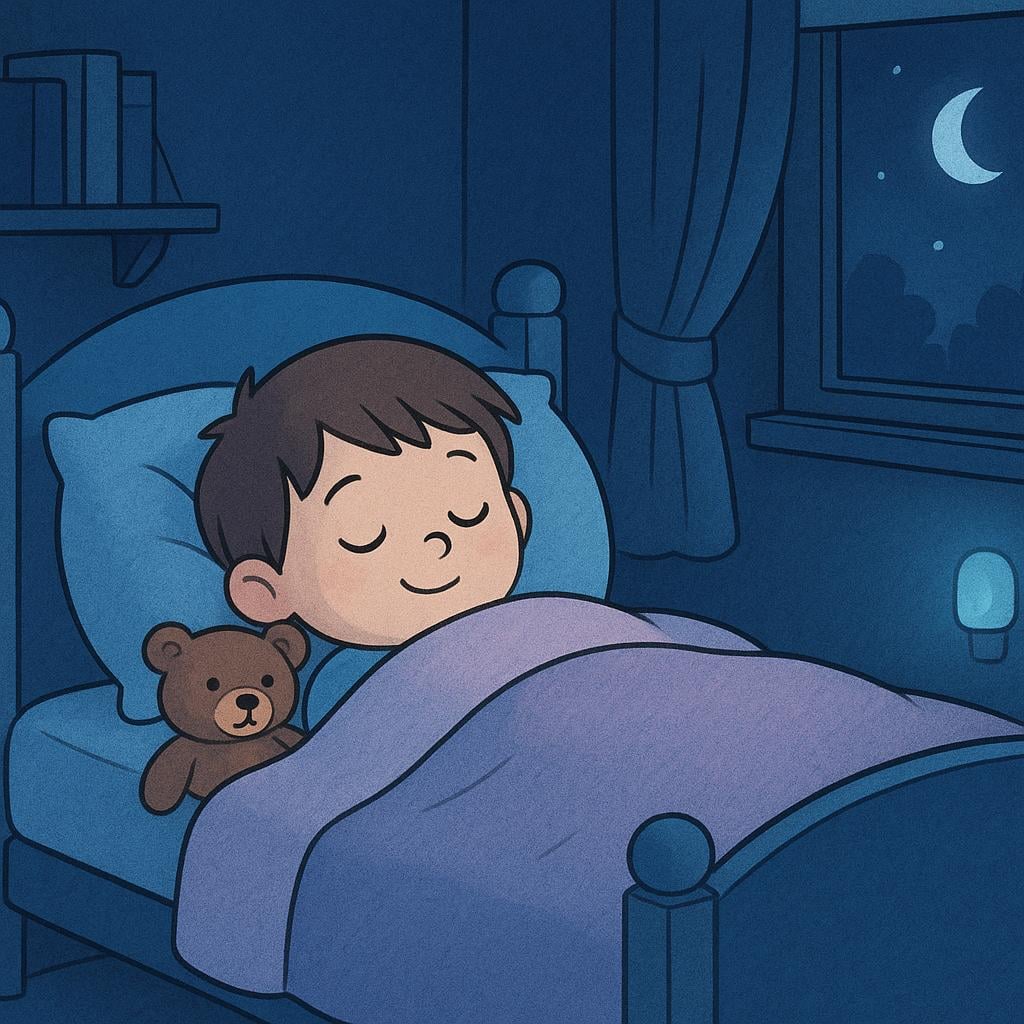
“acostarse” means “to go to bed” in Spanish. It has 2 different meanings depending on context:
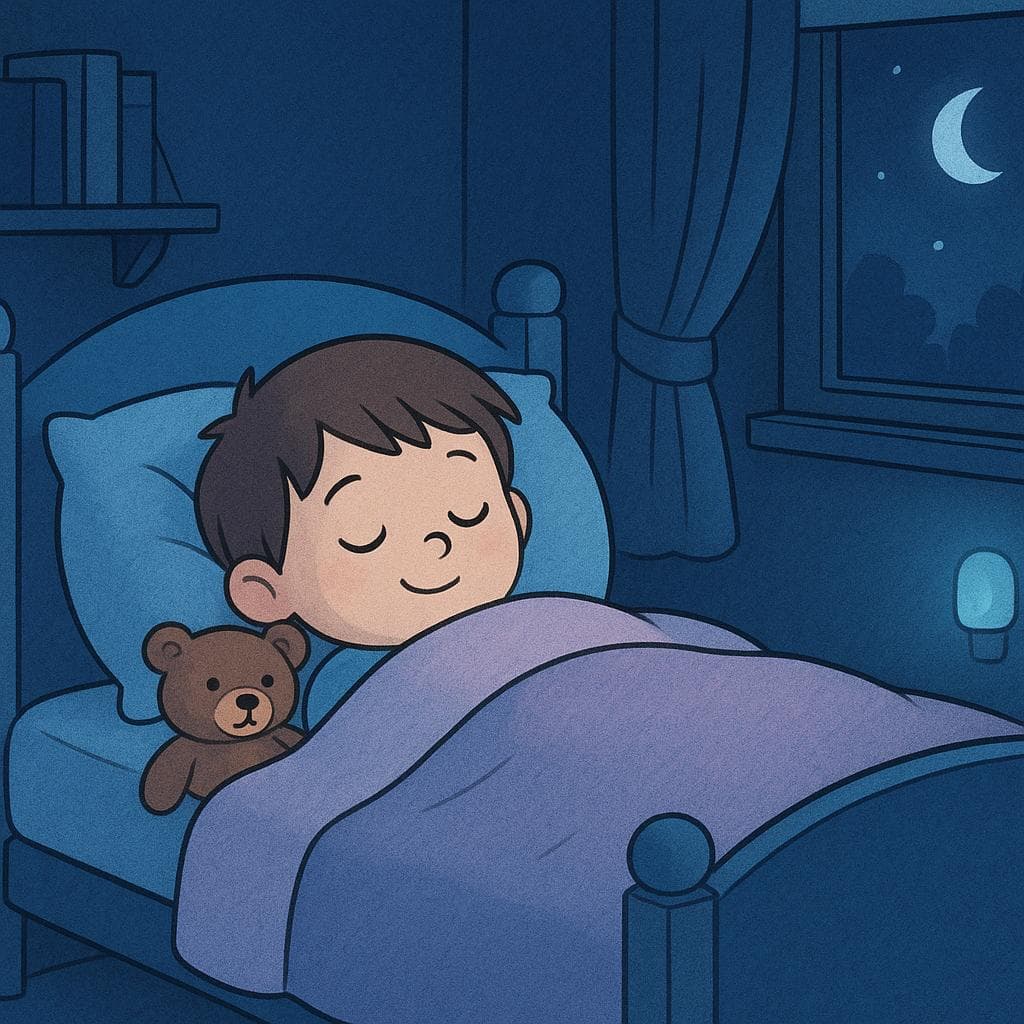
to go to bed, to turn inAlso: to hit the hay
📝 In Action
Siempre me acuesto a las diez de la noche.
A1I always go to bed at ten o'clock at night.
¿A qué hora te acostaste anoche?
A1What time did you go to bed last night?
El bebé se acuesta después de beber su leche.
A2The baby goes to bed after drinking his milk.
Word Connections
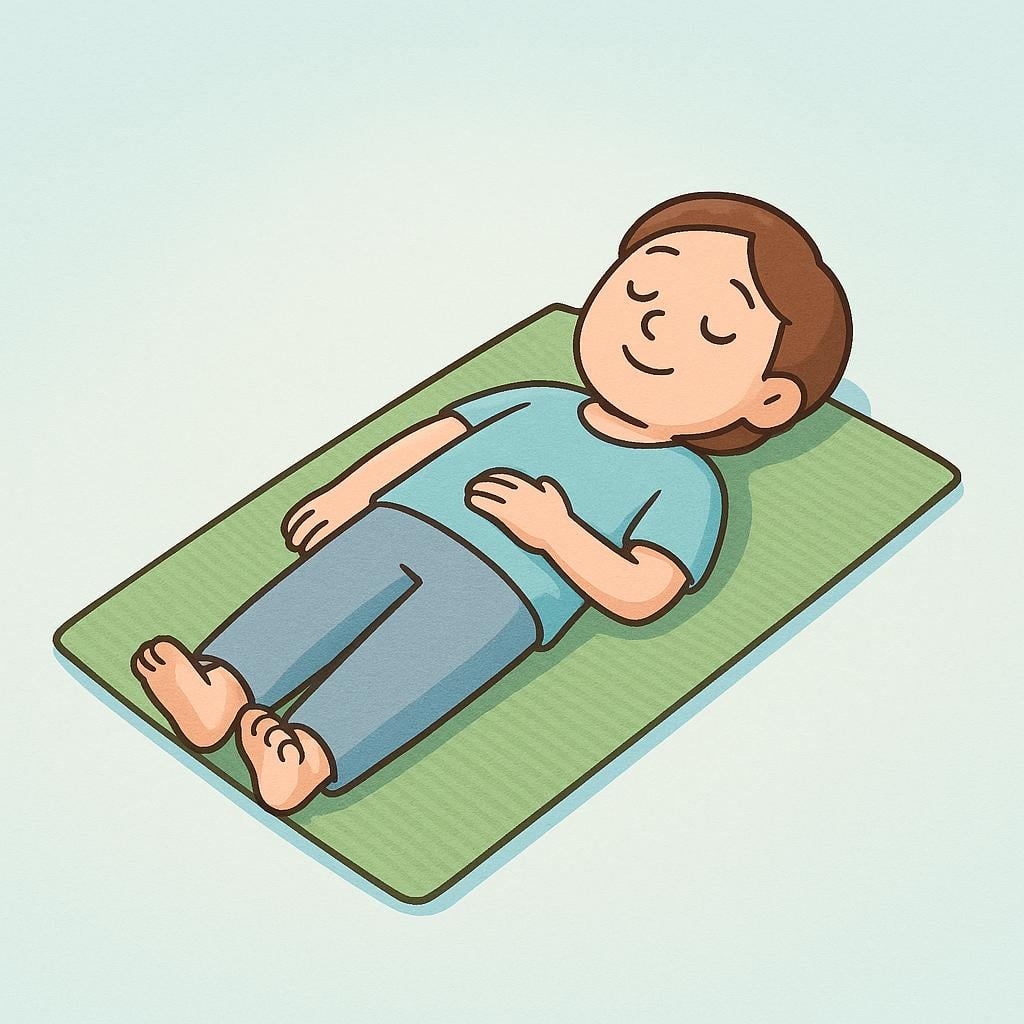
to lie downAlso: to stretch out
📝 In Action
Me acosté un rato en el sofá porque me dolía la cabeza.
A2I lay down for a while on the sofa because my head hurt.
El perro se acuesta en la alfombra cuando tiene calor.
B1The dog lies down on the rug when it is hot.
Acuéstese aquí, doctor. Necesito examinarle la espalda.
B1Lie down here, doctor. I need to examine your back.
Word Connections
Indicative
Present
Imperfect
Preterite
Subjunctive
Present Subjunctive
Imperfect Subjunctive
✏️ Quick Practice
Quick Quiz: acostarse
Question 1 of 2
Which sentence correctly uses 'acostarse' in the present tense?
📚 More Resources
👥 Word Family
🎵 Rhymes
📚 Etymology
The root of 'acostarse' comes from the Latin word *costa*, meaning 'rib' or 'side.' The original meaning of the verb was 'to place side by side' or 'to place on its side.' Over time, this evolved into the modern sense of 'lying down' or 'going to bed.'
First recorded: 13th century
Cognates (Related words)
💡 Master Spanish
Take your Spanish to the next level. Read 200+ illustrated and narrated Spanish stories tailored to your level with the Inklingo app!
Frequently Asked Questions
Is 'acostarse' the same as 'dormir'?
No. 'Acostarse' means the action of moving from standing/sitting to lying down in bed (going to bed). 'Dormir' means the state of being asleep (to sleep). You 'acostarse' before you 'duermes'.
Why does the 'o' change to 'ue' in some forms?
This is simply how many common Spanish verbs work, especially when the stress falls on the syllable with the 'o' (like *acUÉsto*). Think of it as a pattern you need to memorize, similar to how 'eat' becomes 'ate' in English.