Inklingo

alemán

/ah-leh-MAHN/

German

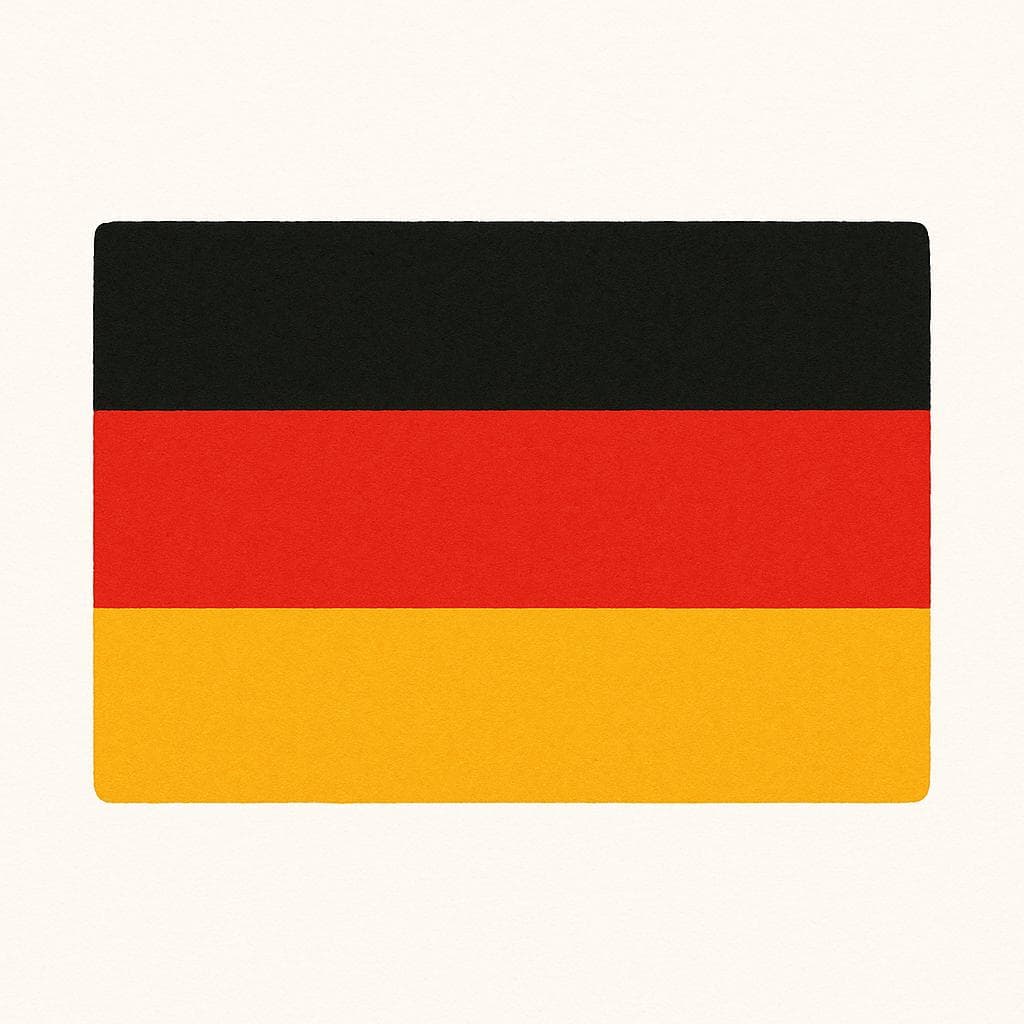
A simple depiction of the German flag, consisting of three horizontal stripes of black, red, and gold.

Visualizing the concept of German nationality or origin (adjective).

alemán(Adjective)

mA1

German

?

nationality or origin

Also:

of Germany

?

describing an object or concept

📝 In Action

Mi coche es alemán y es muy eficiente.

A1

My car is German and it is very efficient.

La cerveza alemana es famosa en todo el mundo.

A2

German beer is famous all over the world.

Word Connections

Common Collocations

  • pastor alemánGerman shepherd
  • cultura alemanaGerman culture

💡 Grammar Points

Matching the Adjective

As an adjective, 'alemán' must change its ending to match the thing it describes. If the thing is feminine, use 'alemana' (e.g., 'la profesora alemana').

❌ Common Pitfalls

Leaving the Accent

Mistake: "Un libro aleman."

Correction: Un libro alemán. The accent on the 'a' is essential for correct spelling and pronunciation.

⭐ Usage Tips

Placement

Like most nationality adjectives, 'alemán' usually comes after the noun it describes (e.g., 'música alemana').

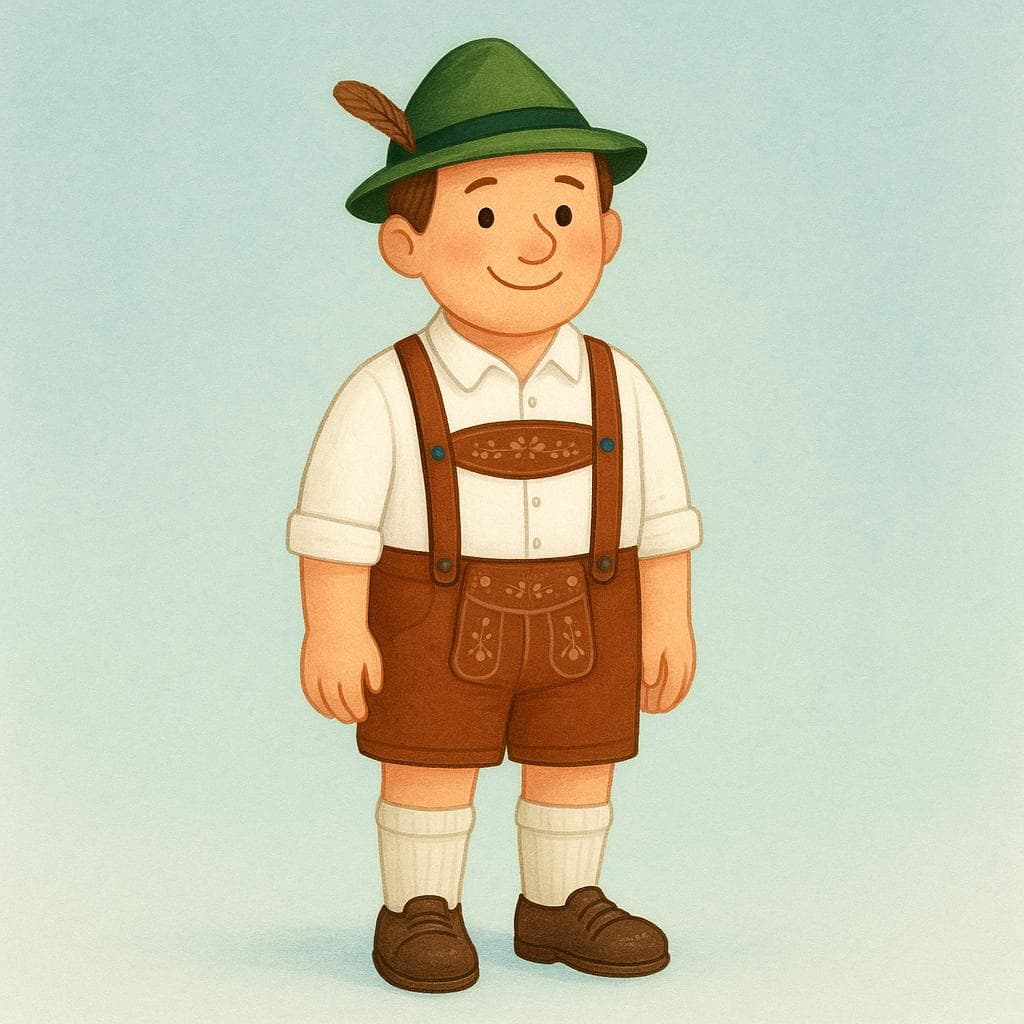
A friendly male cartoon character wearing traditional German attire, including Lederhosen and a green alpine hat.

Visualizing a male person from Germany (noun).

alemán(Noun)

mA1

German

?

a male person from Germany

Also:

German man

?

explicitly masculine

📝 In Action

El alemán es muy puntual.

A1

The German (man) is very punctual.

Hay varios alemanes viviendo en mi ciudad.

A2

There are several Germans living in my city.

💡 Grammar Points

Feminine Form

To refer to a female person, you must use the feminine noun form: 'la alemana' (the German woman).

❌ Common Pitfalls

Using the wrong article

Mistake: "Un alemán vino. (Referring to the language.)"

Correction: Un alemán vino. (This only means a German person came.) If you mean the language, you must use the language definition context.

⭐ Usage Tips

Capitalization

In Spanish, words for nationalities and languages are generally not capitalized, unlike in English.

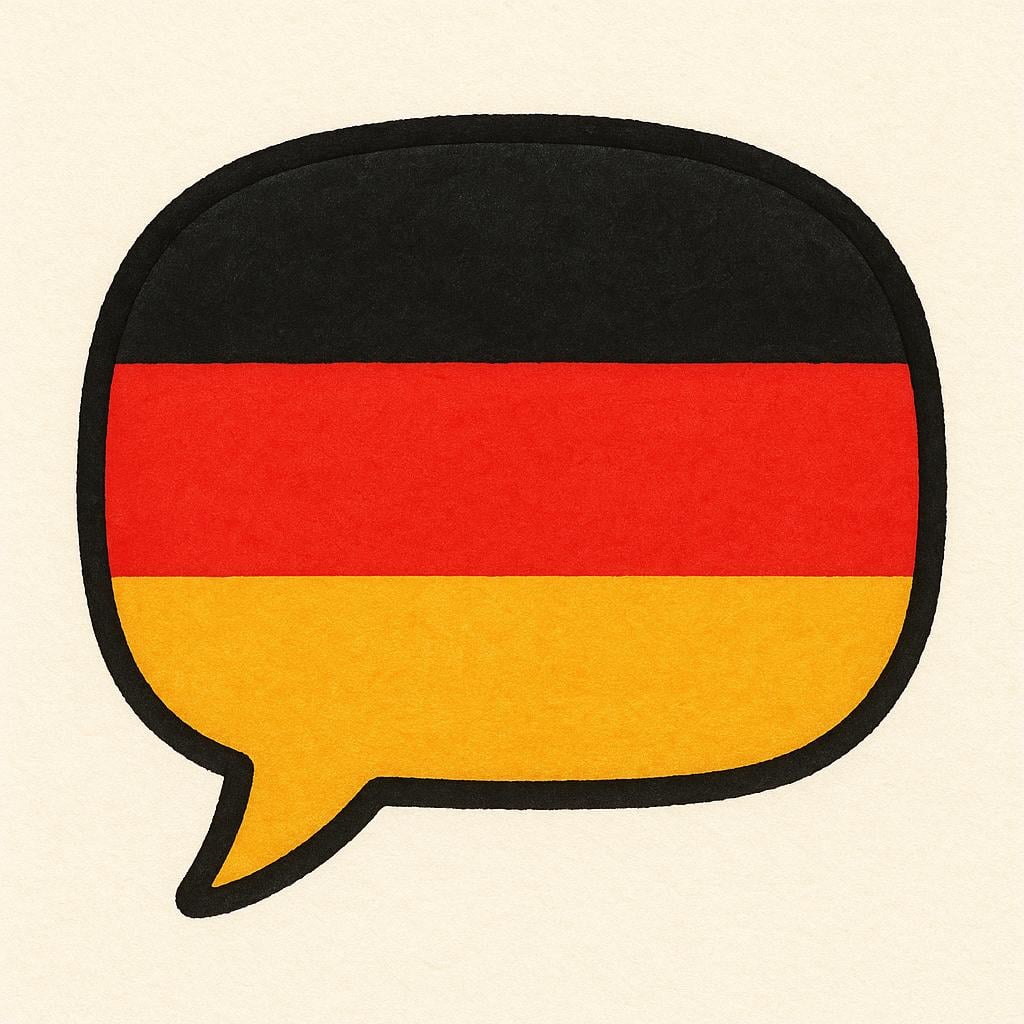
A stylized speech bubble colored with the black, red, and gold stripes of the German flag, symbolizing the German language.

Visualizing the German language (noun).

alemán(Noun)

mA1

German

?

the German language

📝 In Action

¿Estudias alemán o francés?

A1

Do you study German or French?

El alemán tiene palabras muy largas.

B1

German (the language) has very long words.

Word Connections

Common Collocations

  • hablar alemánto speak German
  • clase de alemánGerman class

💡 Grammar Points

Language Gender

All languages in Spanish are treated as masculine nouns, so 'alemán' always uses the article 'el' when it means 'the German language'.

❌ Common Pitfalls

Using the Article

Mistake: "Hablo el alemán."

Correction: Hablo alemán. You usually skip the article 'el' after verbs related to learning or speaking, like 'hablar' or 'estudiar'.

⭐ Usage Tips

Context is Key

The phrase 'el alemán' can mean 'the German man' or 'the German language.' The context of the sentence usually makes the meaning clear.

✏️ Quick Practice

💡 Quick Quiz: alemán

Question 1 of 2

Which sentence uses 'alemán' to refer to a language?

📚 More Resources

Frequently Asked Questions

Do I need to capitalize 'alemán'?

No. In Spanish, words for nationalities, languages, and days of the week are generally written in lowercase, unless they start a sentence.

What is the plural form of 'alemán'?

The masculine plural is 'alemanes' (ending in -es, since the singular ends in a consonant). The feminine plural is 'alemanas'.