alimento
“alimento” means “food” in Spanish. It has 3 different meanings depending on context:
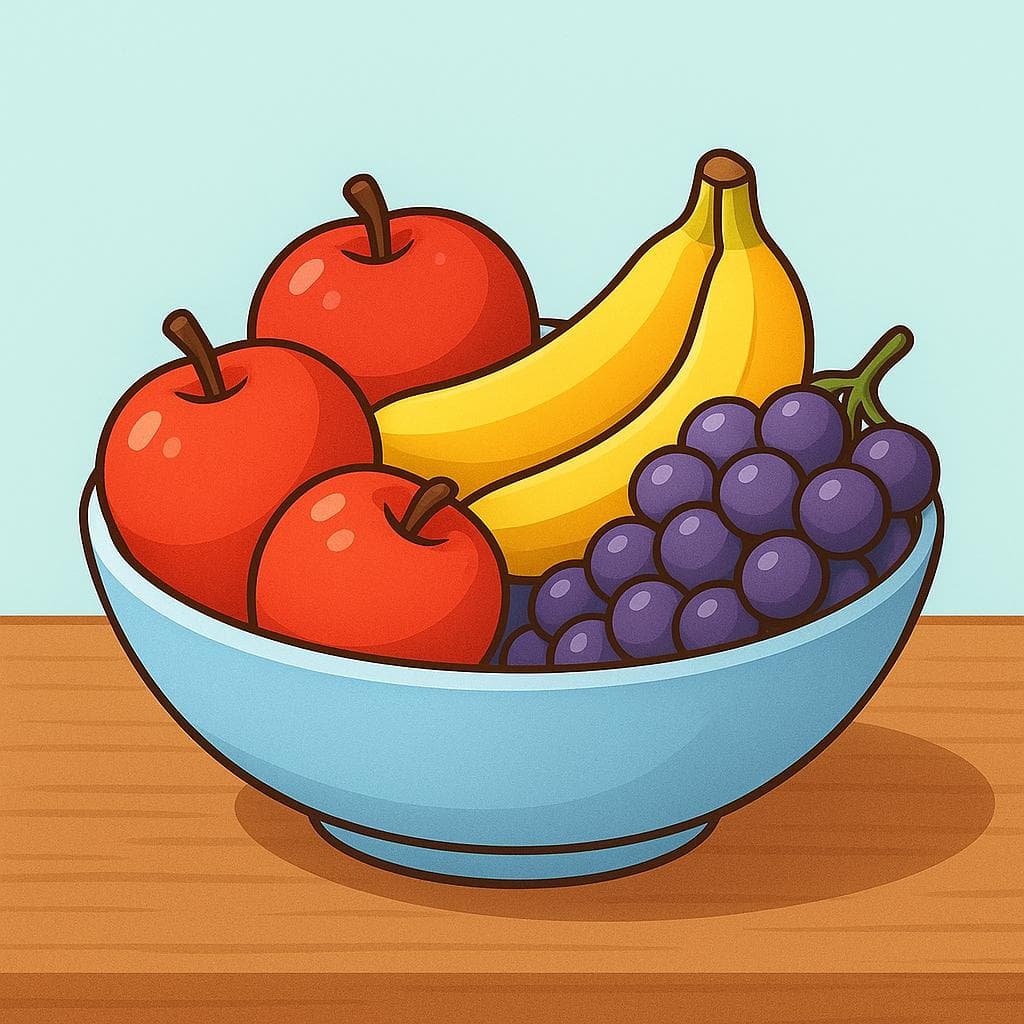


food, nourishmentAlso: provision
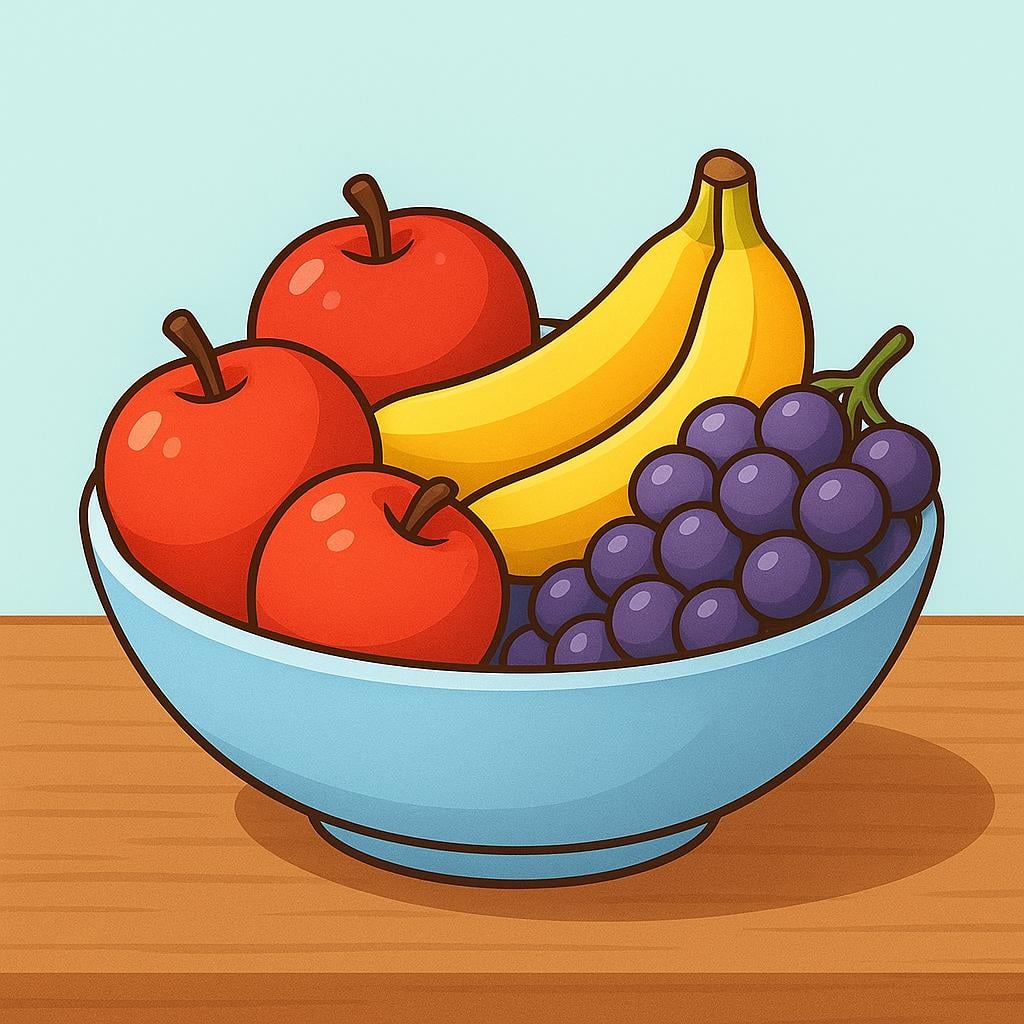
📝 In Action
Necesitas comer alimentos frescos para estar sano.
A1You need to eat fresh food to be healthy.
El arroz es un alimento básico en muchas culturas.
A2Rice is a staple food in many cultures.
¿Qué tipo de alimento le das a tu perro?
A1What kind of food do you give your dog?
Word Connections
sustenance, fuelAlso: input

📝 In Action
La lectura es alimento para el alma y la mente.
B1Reading is food/nourishment for the soul and the mind.
Su ambición era el principal alimento de sus acciones.
B2His ambition was the main fuel for his actions.
Word Connections
alimony, maintenanceAlso: subsistence allowance

📝 In Action
El juez dictaminó una cuota de alimento mensual para los hijos.
C1The judge ruled a monthly maintenance payment for the children.
La obligación de alimento cesa cuando el beneficiario encuentra empleo.
C2The obligation of alimony/maintenance ceases when the beneficiary finds employment.
Word Connections
🔀 Commonly Confused With
Translate to Spanish
Words that translate to "alimento" in Spanish:
✏️ Quick Practice
Quick Quiz: alimento
Question 1 of 2
Which Spanish sentence correctly uses 'alimento' in its figurative meaning?
📚 More Resources
👥 Word Family
📚 Etymology
Comes directly from the Latin word *alimentum*, meaning 'nourishment' or 'food.' This root is also the source of the English word 'alimentary' (as in the alimentary canal).
First recorded: 13th century (in Romance languages)
Cognates (Related words)
💡 Master Spanish
Take your Spanish to the next level. Read 200+ illustrated and narrated Spanish stories tailored to your level with the Inklingo app!
Frequently Asked Questions
Is 'alimento' the same as 'comida'?
'Alimento' (food substance) is more formal or general than 'comida' (meal, or food in general). You usually say 'la hora de la comida' (lunch time) but 'los alimentos nutritivos' (nutritious foods).
How do I remember that 'alimento' is masculine?
Since it ends in -o, it follows the common pattern for masculine nouns. You use 'el' before it, like 'el alimento'.