alrededores
“alrededores” means “surroundings” in Spanish (the area or environment around a specific place).
surroundings
Also: outskirts, environs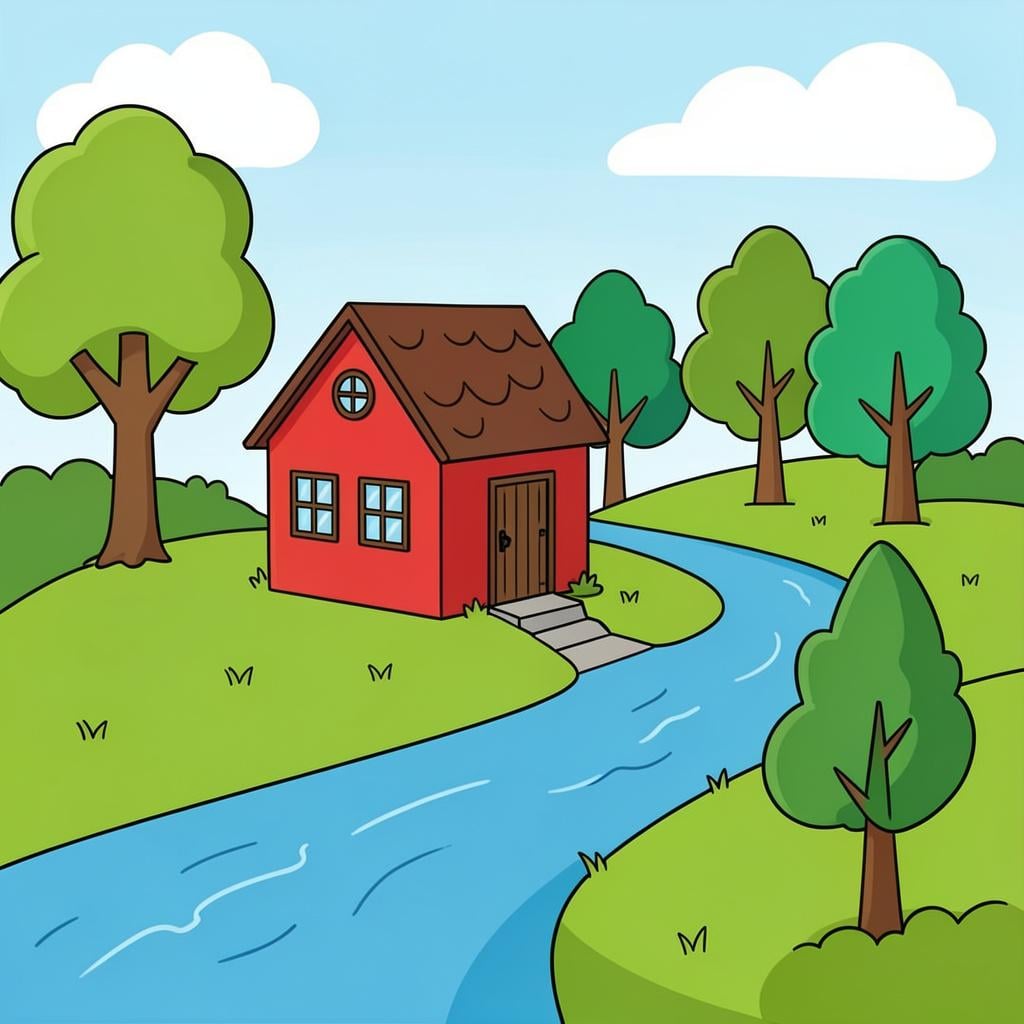
📝 In Action
Me gusta caminar por los alrededores del lago.
A2I like to walk around the surroundings of the lake.
Vivimos en los alrededores de Madrid.
B1We live on the outskirts of Madrid.
Hay muchos castillos antiguos en los alrededores.
B1There are many old castles in the surrounding area.
Translate to Spanish
✏️ Quick Practice
Quick Quiz: alrededores
Question 1 of 1
If you want to say you live 'near' the city but not in the center, which is most natural?
📚 More Resources
📚 Etymology▼
Comes from the phrase 'al rededor', combining 'al' (to the) and 'rededor' (around/circuit). It shares a root with the word for 'net' (red), suggesting something that circles or encloses.
First recorded: 13th century
Cognates (Related words)
💡 Master Spanish
Take your Spanish to the next level. Read 200+ illustrated and narrated Spanish stories tailored to your level with the Inklingo app!
Frequently Asked Questions
Is 'alrededores' formal?
It is quite neutral. You can use it in a casual conversation with friends or in a formal guidebook about a city.
Can I use it for people?
No, 'alrededores' usually refers to physical places. To talk about people around you, you would say 'la gente que me rodea' (the people who surround me).