amarilla
“amarilla” means “yellow” in Spanish. It has 2 different meanings depending on context:
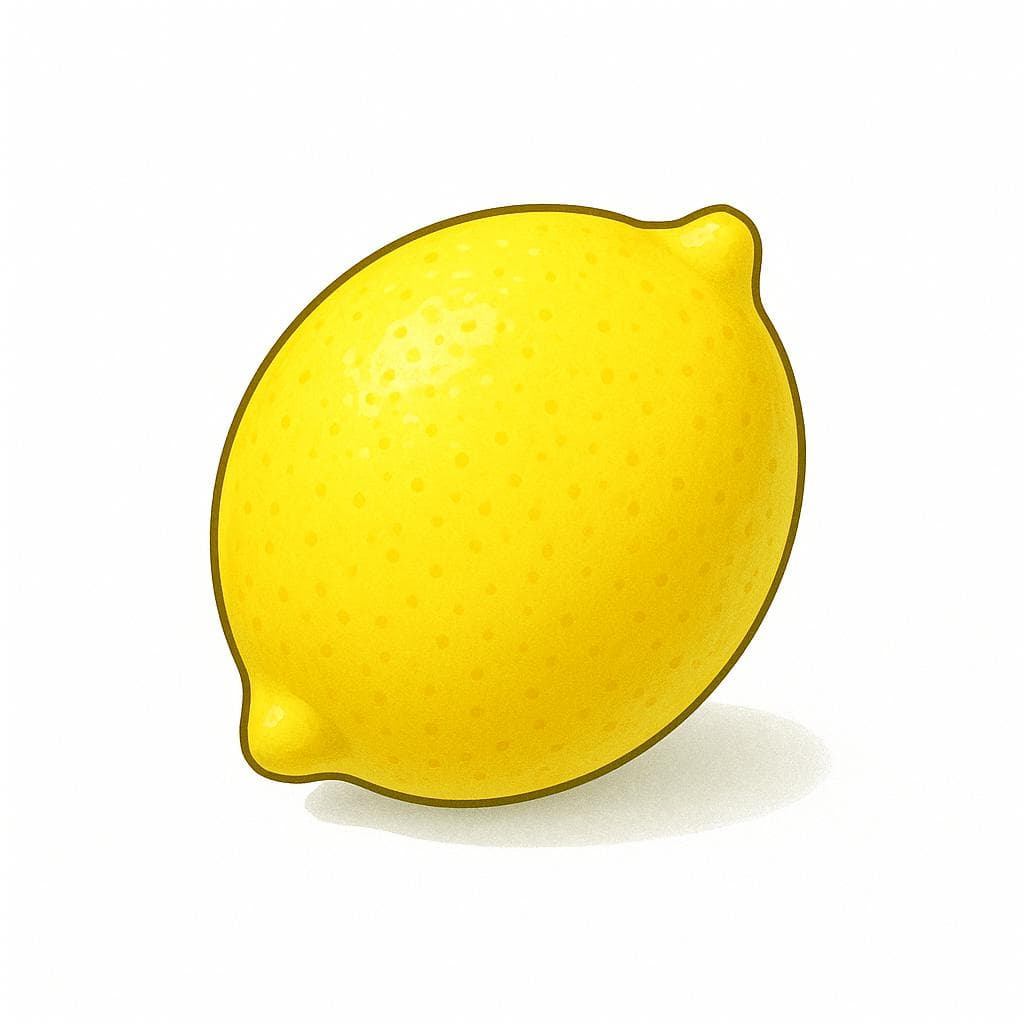

yellow
Also: jaundiced
📝 In Action
La pared de la cocina es amarilla.
A1The kitchen wall is yellow.
Necesito una camisa amarilla para el disfraz.
A2I need a yellow shirt for the costume.
La luz amarilla del semáforo indica que debes prepararte para parar.
B1The yellow traffic light indicates that you must prepare to stop.
yellow card

📝 In Action
El jugador recibió una amarilla por protestar la decisión del árbitro.
B1The player received a yellow card for protesting the referee's decision.
Si le sacan otra amarilla, será expulsado del partido.
B2If they show him another yellow card, he will be sent off the match.
Vocabulary Collections
Translate to Spanish
✏️ Quick Practice
Quick Quiz: amarilla
Question 1 of 2
Which sentence correctly uses 'amarilla'?
📚 More Resources
👥 Word Family▼
📚 Etymology▼
Comes from the Latin word *amarellus*, which was a diminutive (a smaller version) of *amarus* meaning 'bitter.' This is because certain bitter plants used to make dyes produced a yellow color.
First recorded: 13th century
Cognates (Related words)
💡 Master Spanish
Take your Spanish to the next level. Read 200+ illustrated and narrated Spanish stories tailored to your level with the Inklingo app!
Frequently Asked Questions
Why does the color change its ending (amarillo vs. amarilla)?
Spanish colors are adjectives, and adjectives must match the 'gender' (masculine or feminine) of the noun they describe. Use 'amarilla' for feminine words (like 'mesa') and 'amarillo' for masculine words (like 'libro').
Is 'amarilla' ever a noun outside of sports?
Rarely, but yes. Sometimes it can be used to refer to the color itself, for example, 'Me gusta más la amarilla que la azul' (I like yellow more than blue), but this is less common than just using the masculine form 'el amarillo' for the color name.