animal
“animal” means “animal” in Spanish. It has 2 different meanings depending on context:
animal
Also: beast, creature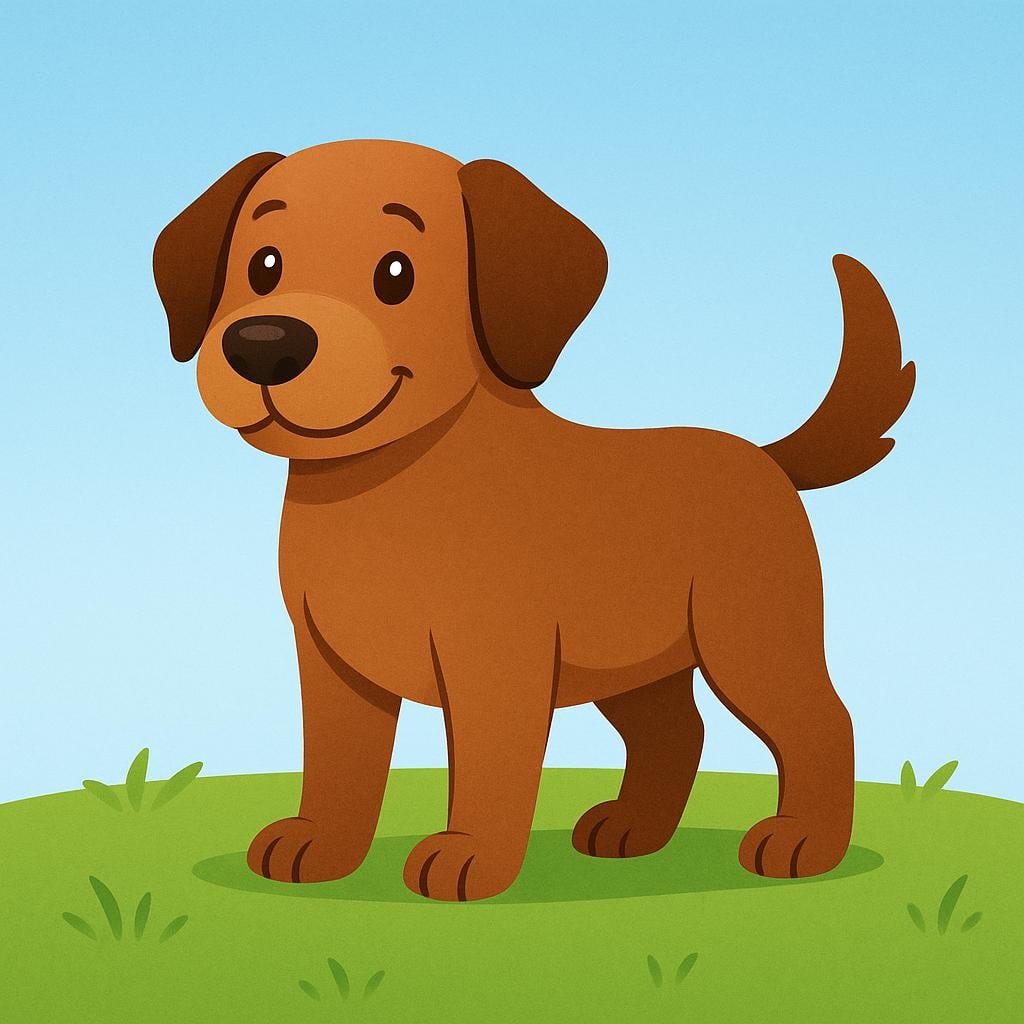
📝 In Action
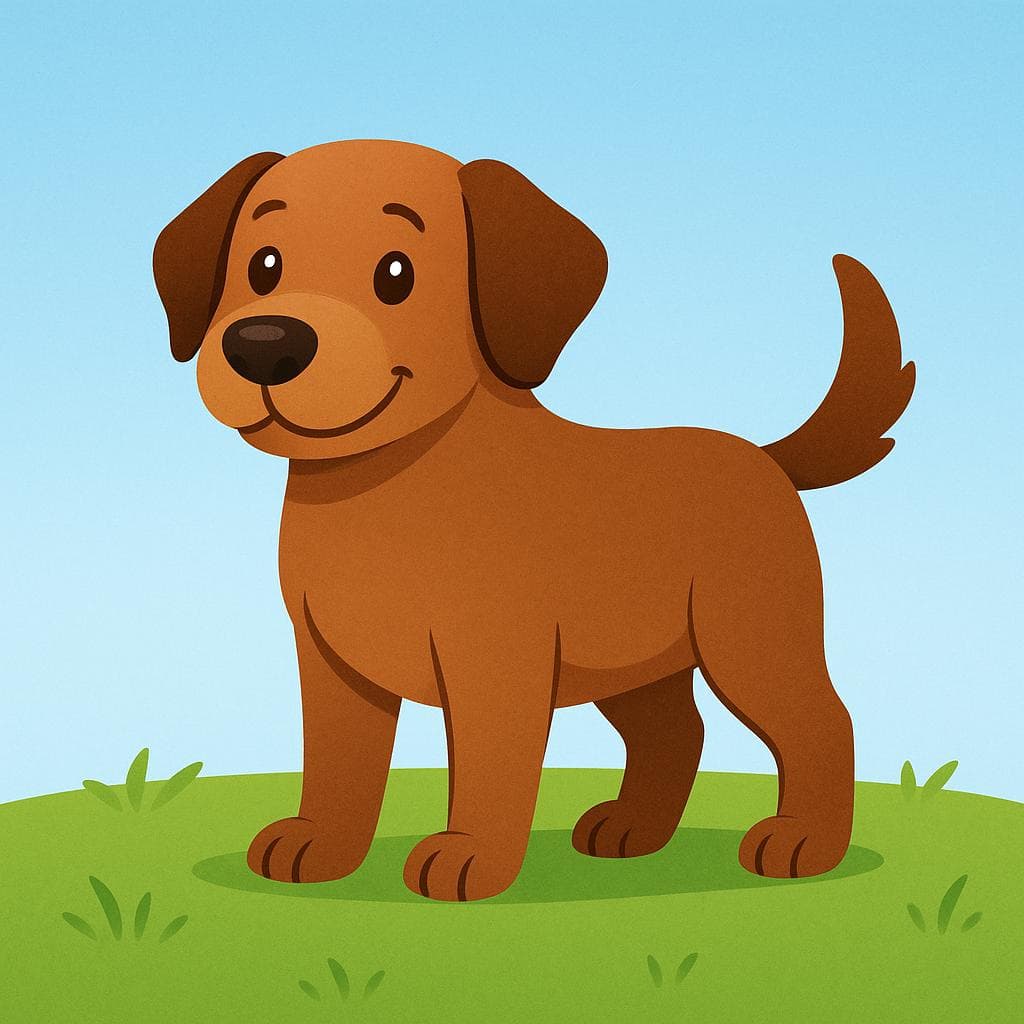
El perro es un animal doméstico muy leal.
A1The dog is a very loyal domestic animal.
Estudiamos la vida de los animales en el bosque.
A2We studied the life of the animals in the forest.
Según la biología, todos somos animales.
B1According to biology, we are all animals.
clumsy, stupid
Also: brutish, reckless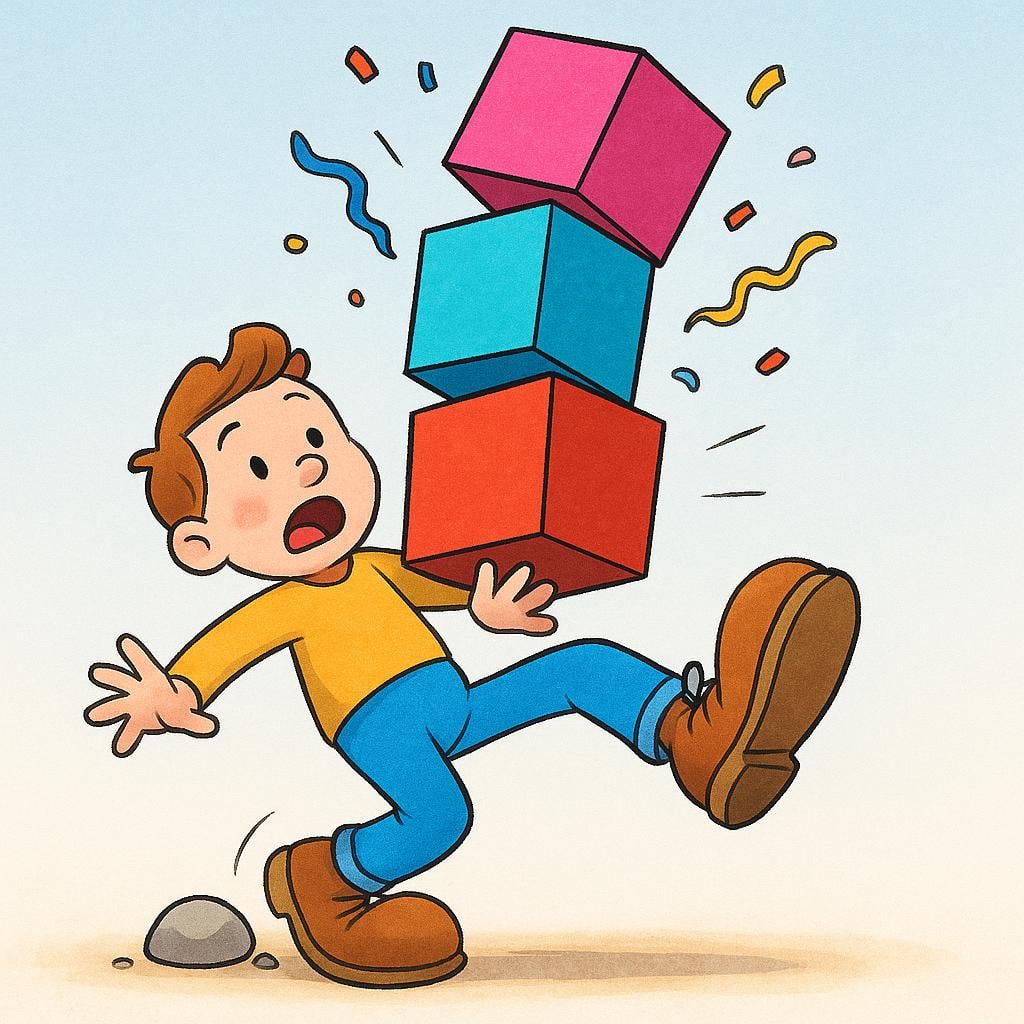
📝 In Action
¡Qué animal! Rompió el jarrón por no mirar.
B2How clumsy (or 'what an idiot')! He broke the vase because he wasn't looking.
Este conductor es muy animal, va a 140 km/h en la ciudad.
C1This driver is very reckless, he’s going 140 km/h in the city.
Vocabulary Collections
Translate to Spanish
✏️ Quick Practice
Quick Quiz: animal
Question 1 of 1
¿Cuál de estas oraciones usa 'animal' en su sentido informal y crítico?
📚 More Resources
👥 Word Family▼
📚 Etymology▼
The word comes from the Latin term *animāle*, which literally meant 'a living, breathing being.' This Latin word is linked to *anima*, meaning 'breath,' 'spirit,' or 'life force.' This connection shows that the core meaning of *animal* has always been about something that is alive.
First recorded: 13th century (in Spanish)
Cognates (Related words)
💡 Master Spanish
Take your Spanish to the next level. Read 200+ illustrated and narrated Spanish stories tailored to your level with the Inklingo app!
Frequently Asked Questions
¿El género de 'animal' cambia si hablo de un animal hembra?
No. La palabra 'animal' siempre es masculina, usando 'el' o 'un'. Por ejemplo: 'La ballena (que es hembra) es un animal muy grande'.
¿Cómo puedo evitar ofender a alguien si uso 'animal' como insulto?
Es mejor evitar usarlo como insulto con personas que no conoces bien. Es una palabra informal y, aunque es común, puede sonar muy brusca. Úsala solo con amigos cercanos para expresar sorpresa o frustración por algo torpe que hicieron.