aparcamiento
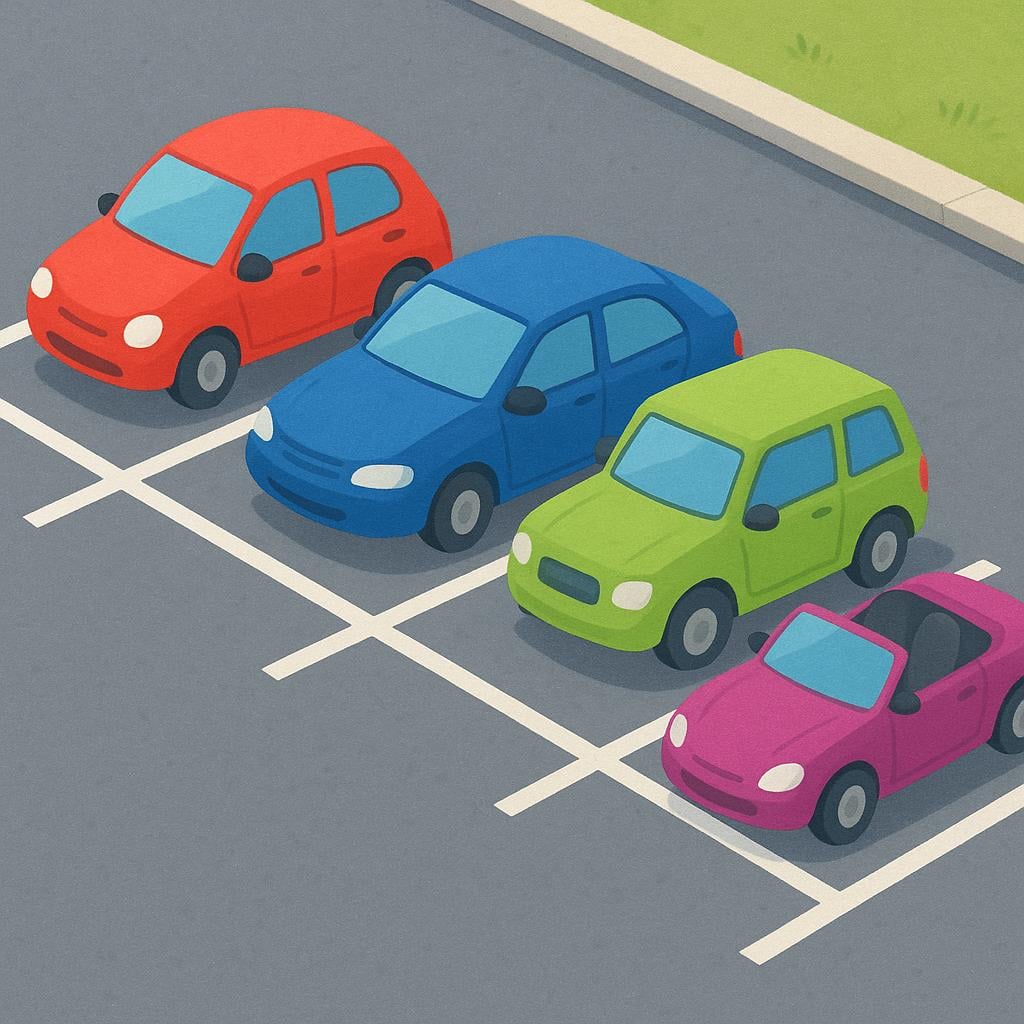
“aparcamiento” means “parking lot” in Spanish (The designated area for vehicles).
parking lot, parking garage, parkingAlso: car park, parking space
📝 In Action
¿Dónde está el aparcamiento más cercano?
A2Where is the nearest parking lot?
El centro comercial tiene un aparcamiento subterráneo muy grande.
B1The shopping center has a very large underground parking garage.
La escasez de aparcamiento en la ciudad es un problema crónico para los residentes.
B2The scarcity of parking in the city is a chronic problem for residents.
Word Connections
Translate to Spanish
Words that translate to "aparcamiento" in Spanish:
✏️ Quick Practice
Quick Quiz: aparcamiento
Question 1 of 1
If you are in Madrid and need to leave your car, what is the most common word you would look for on a sign?
📚 More Resources
👥 Word Family
🎵 Rhymes
📚 Etymology
Formed in Spanish from the verb *aparcar* ('to park') plus the suffix *-miento*. The verb *aparcar* itself has a long history, coming from older forms related to setting things aside or fencing off land.
First recorded: 19th century (in its modern usage)
Cognates (Related words)
💡 Master Spanish
Take your Spanish to the next level. Read 200+ illustrated and narrated Spanish stories tailored to your level with the Inklingo app!
Frequently Asked Questions
Is 'aparcamiento' the same as 'parking'?
Yes, they mean the same thing. 'Parking' is a very common English loanword used in Spanish-speaking countries, especially for commercial lots. However, 'aparcamiento' is the native Spanish word and is often preferred in formal contexts, official signs, and in Spain.