arte
“arte” means “art” in Spanish. It has 2 different meanings depending on context:
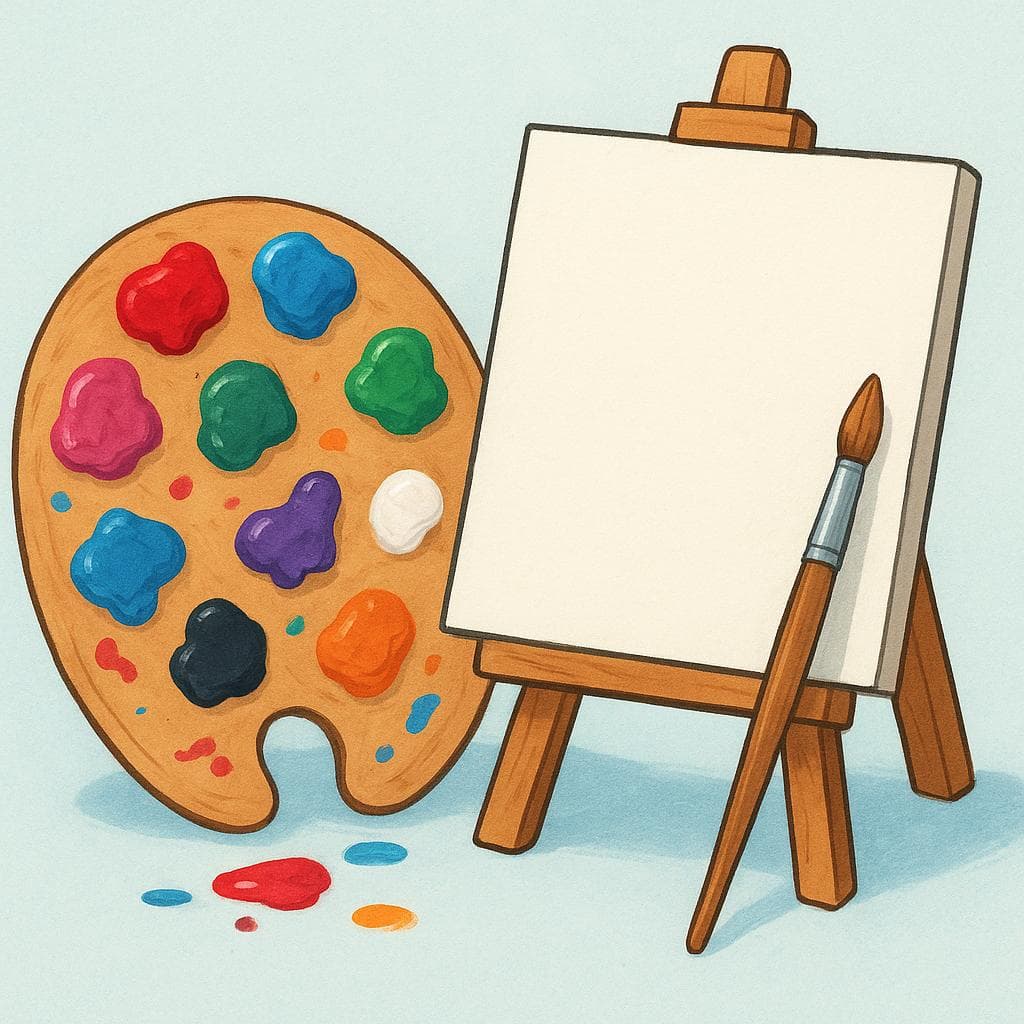
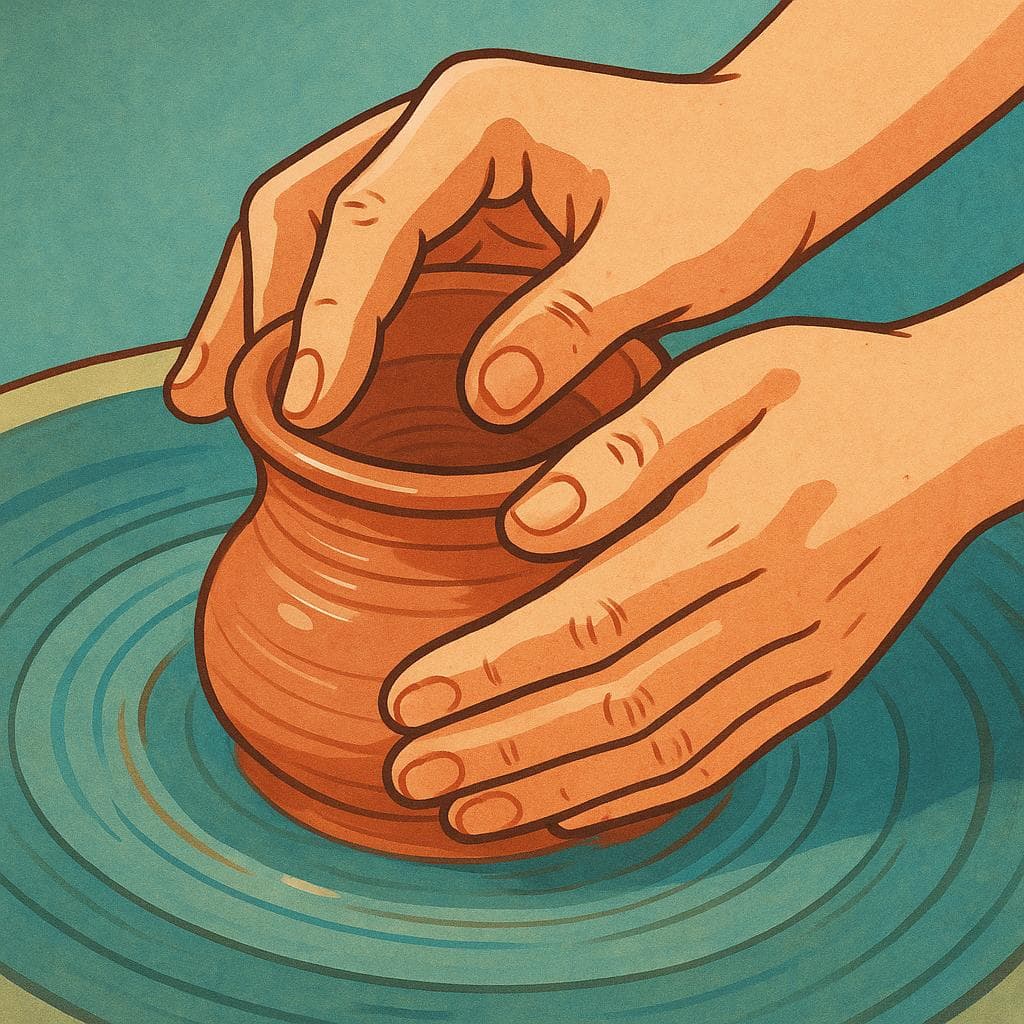
art
Also: the arts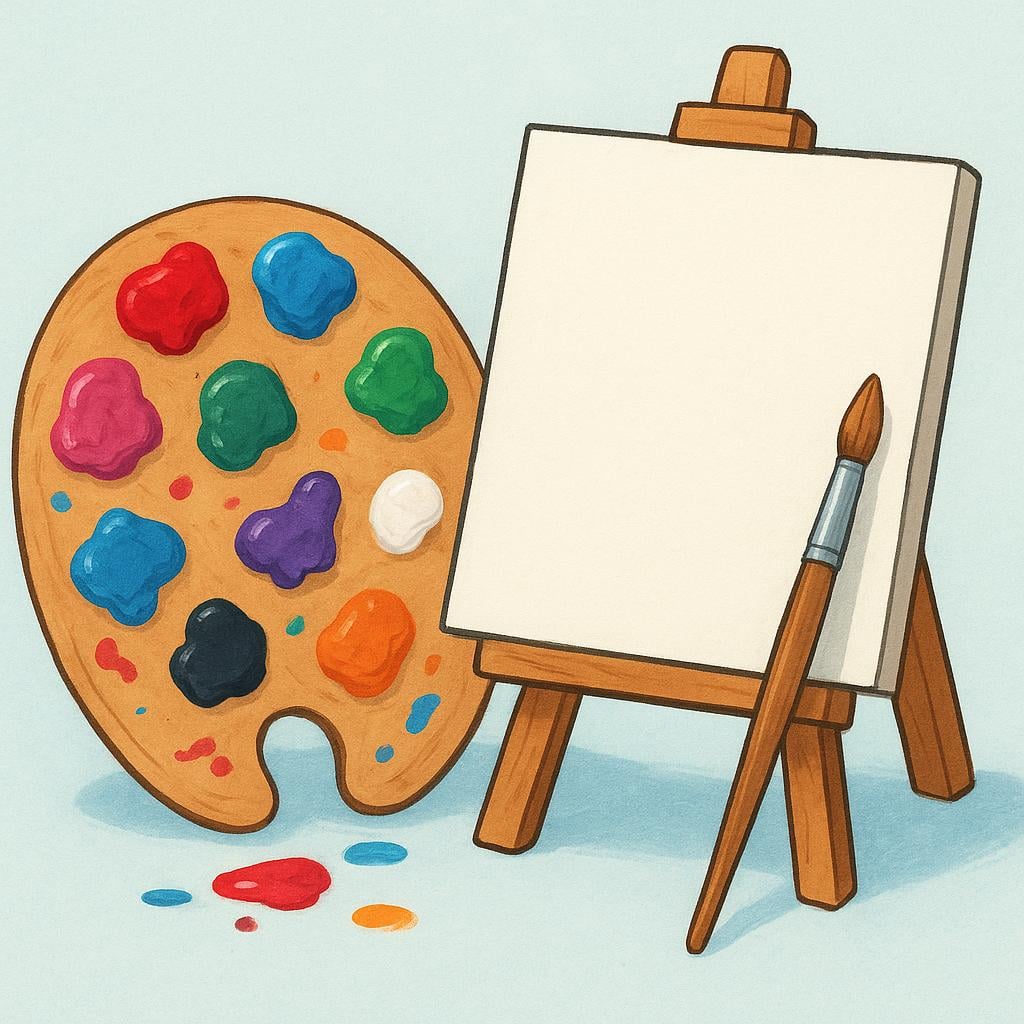
📝 In Action
El arte moderno me parece muy interesante.
A2Modern art seems very interesting to me.
Estudió historia del arte en la universidad.
B1She studied art history at the university.
Las artes plásticas incluyen la escultura y la pintura.
B2Plastic arts include sculpture and painting.
skill
Also: craft, knack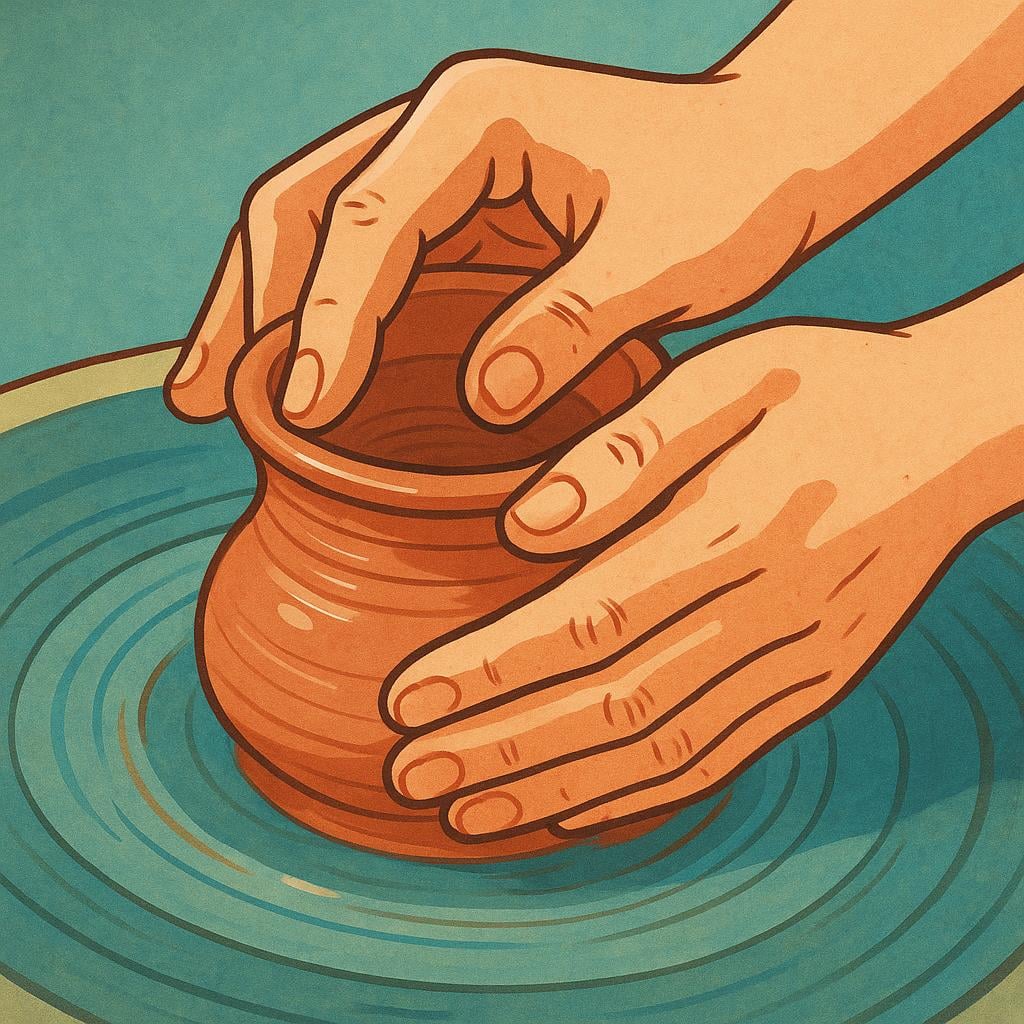
📝 In Action
La costurera tiene un gran arte para diseñar vestidos.
B1The seamstress has a great skill for designing dresses.
El arte de la oratoria es saber qué decir y cuándo callar.
B2The art of public speaking is knowing what to say and when to be quiet.
Hacer ese postre es todo un arte; requiere paciencia.
B2Making that dessert is quite a craft; it requires patience.
✏️ Quick Practice
Quick Quiz: arte
Question 1 of 2
Which sentence correctly uses the plural form of 'arte'?
📚 More Resources
👥 Word Family▼
📚 Etymology▼
Comes directly from the Latin word *ars*, meaning 'skill, method, technique, or craft.' The original meaning focused on skilled labor before evolving to cover creative and aesthetic works.
First recorded: 13th century
Cognates (Related words)
💡 Master Spanish
Take your Spanish to the next level. Read 200+ illustrated and narrated Spanish stories tailored to your level with the Inklingo app!
Frequently Asked Questions
Is 'arte' masculine or feminine? Why do I see 'el arte' and 'las artes'?
'Arte' is a feminine noun. You see 'el arte' in the singular because Spanish prefers to use the masculine word 'el' before feminine nouns that start with a stressed 'a' sound (like 'agua' or 'área'). This is purely for sound balance. However, when it's plural, the sound rule is ignored, and it reverts to the standard feminine plural: 'las artes'.