Inklingo

asustar

/ah-soos-TAR/

to scare

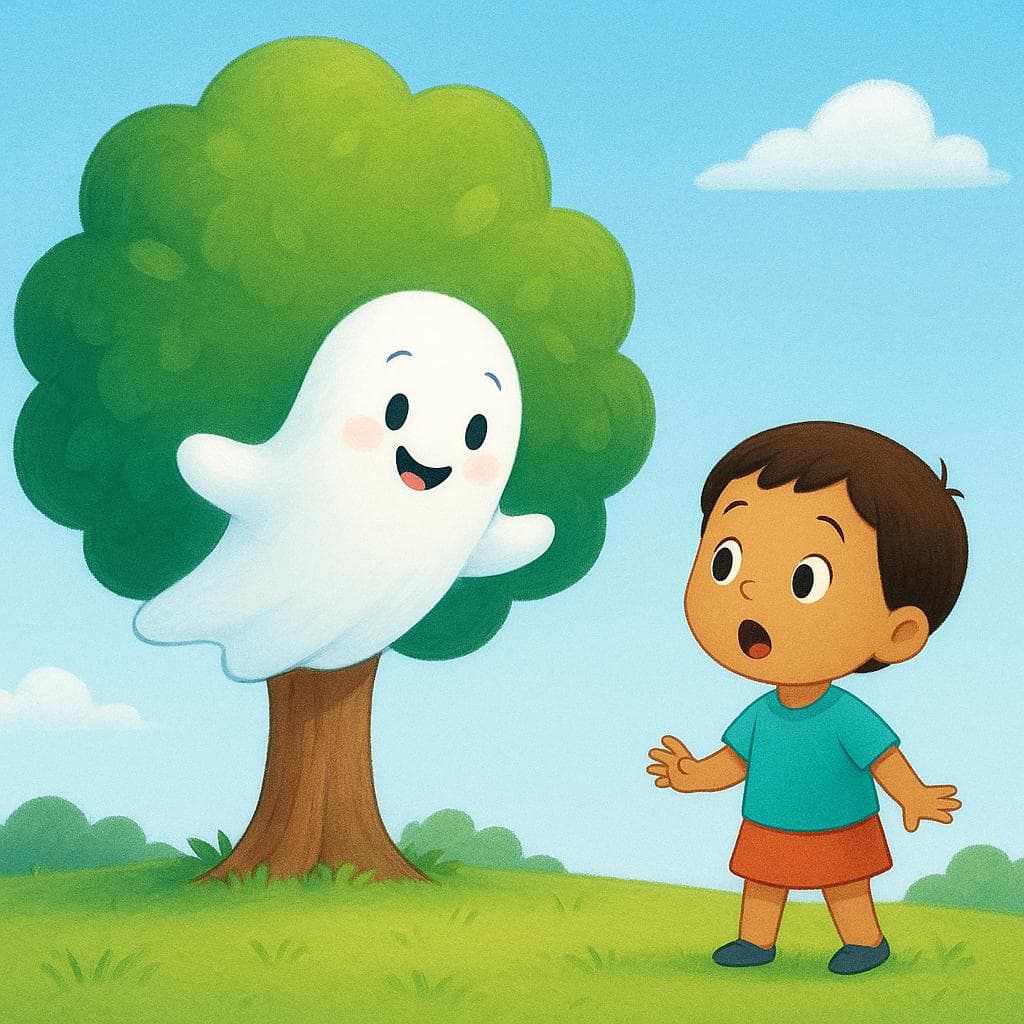
A friendly ghost popping out from behind a tree to surprise a small child.

To scare someone is 'asustar', like a ghost surprising a friend.

asustar(verb)

A1regular ar

to scare

?

to make someone feel afraid

Also:

to frighten

?

a slightly more formal way to say scare

,

to startle

?

to surprise someone suddenly

📝 In Action

No me asustes así.

A1

Don't scare me like that.

El ruido asustó al gato.

A1

The noise scared the cat.

Ese perro asusta a los niños.

A2

That dog scares the children.

Word Connections

Synonyms

  • espantar (to frighten away)
  • intimidar (to intimidate)

Antonyms

  • tranquilizar (to calm down)
  • animar (to encourage)

Common Collocations

  • asustar a muerteto scare to death
  • asustar a alguiento scare someone

💡 Grammar Points

Using 'asustar' like 'gustar'

You can say 'me asusta' to mean 'it scares me.' The thing that is scary is the subject, and the person feeling the fear is the one receiving the action.

❌ Common Pitfalls

Scared vs. Scaring

Mistake: "Saying 'Estoy asustar' to mean 'I am scared.'"

Correction: Use 'Estoy asustado' (I am scared) for the feeling, and 'asustar' only for the action of scaring someone.

⭐ Usage Tips

The 'a' rule

When you scare a specific person, remember to put 'a' before their name or the word for the person, like 'Asusté a María'.

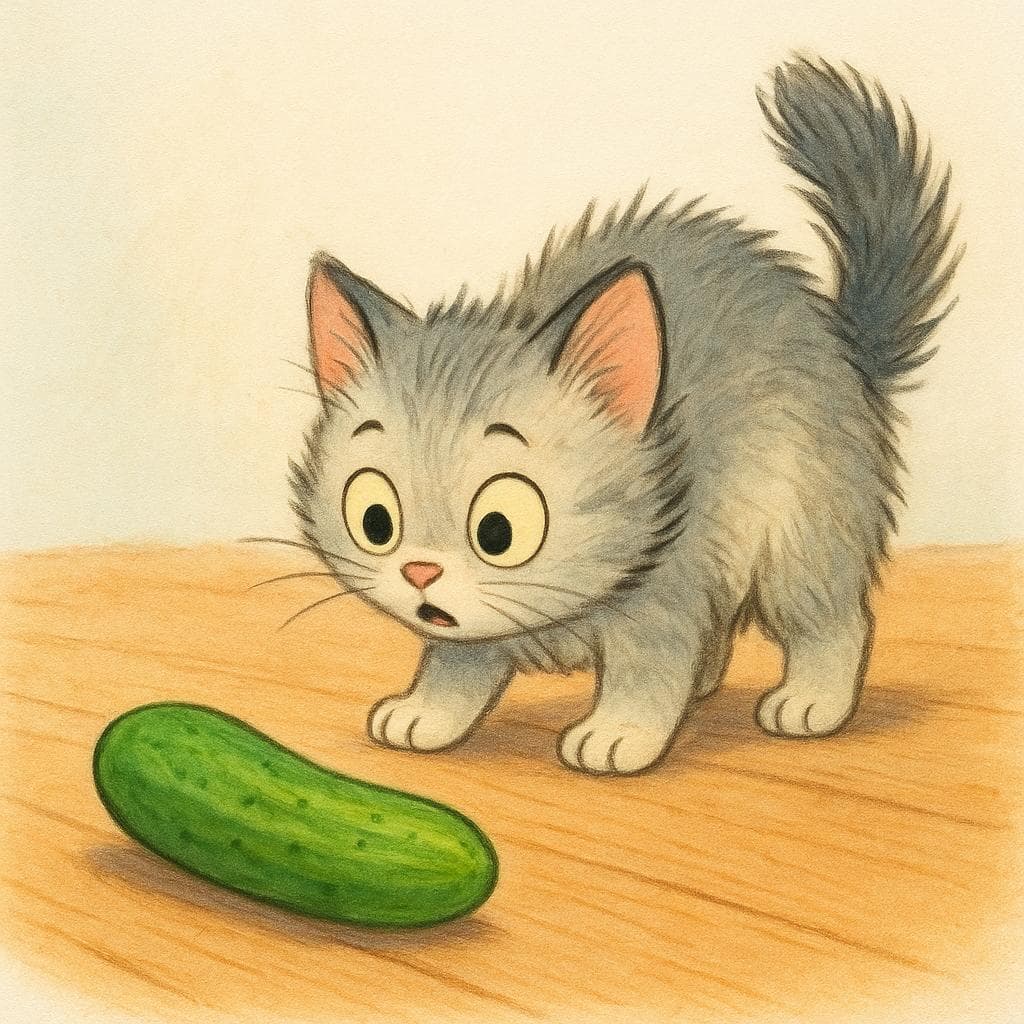
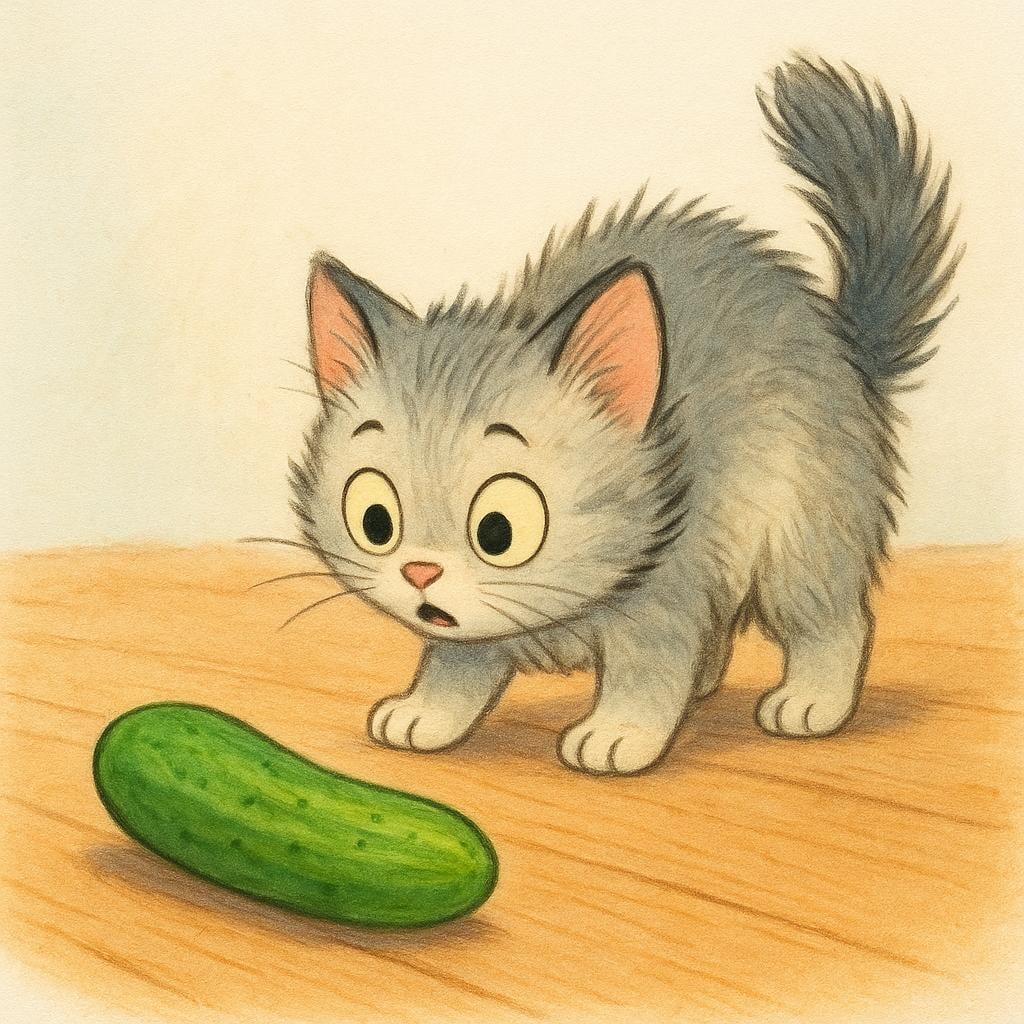
A small cat with its fur standing up and arched back looking at a cucumber on the floor.

To get scared is also 'asustar', like a kitten jumping at a surprise.

asustar(verb)

A1regular ar

to get scared

?

when you become afraid

Also:

to be frightened

?

the process of becoming scared

📝 In Action

Me asusté cuando se apagó la luz.

A1

I got scared when the light went out.

Ellos se asustan con las películas de terror.

A2

They get scared with horror movies.

Word Connections

Synonyms

  • atemorizarse (to become afraid)

Antonyms

  • calmarse (to calm oneself)

Common Collocations

  • asustarse por nadato get scared over nothing

💡 Grammar Points

The 'Self' Form

When you add 'se' to the end (asustarse), the action happens back to the person doing it. It turns 'to scare' into 'to get scared'.

⭐ Usage Tips

Talking about yourself

Always match the little 'me, te, se' word to the person. 'Yo me asusto' (I get scared), 'Tú te asustas' (You get scared).

🔄 Conjugations

subjunctive

present

yoasuste
nosotrosasustemos
ellos/ellas/ustedesasusten
asustes
vosotrosasustéis
él/ella/ustedasuste

imperfect

yoasustara
nosotrosasustáramos
ellos/ellas/ustedesasustaran
asustaras
vosotrosasustarais
él/ella/ustedasustara

indicative

present

yoasusto
nosotrosasustamos
ellos/ellas/ustedesasustan
asustas
vosotrosasustáis
él/ella/ustedasusta

imperfect

yoasustaba
nosotrosasustábamos
ellos/ellas/ustedesasustaban
asustabas
vosotrosasustabais
él/ella/ustedasustaba

preterite

yoasusté
nosotrosasustamos
ellos/ellas/ustedesasustaron
asustaste
vosotrosasustasteis
él/ella/ustedasustó

✏️ Quick Practice

💡 Quick Quiz: asustar

Question 1 of 1

How do you say 'I got scared'?

📚 More Resources

Word Family

susto(a scare / fright) - noun

Frequently Asked Questions

What is the difference between 'asustar' and 'espantar'?

They are very similar! 'Asustar' is the general word for scaring. 'Espantar' often implies scaring something away, like scaring birds out of a garden.