ave
“ave” means “bird” in Spanish. It has 2 different meanings depending on context:
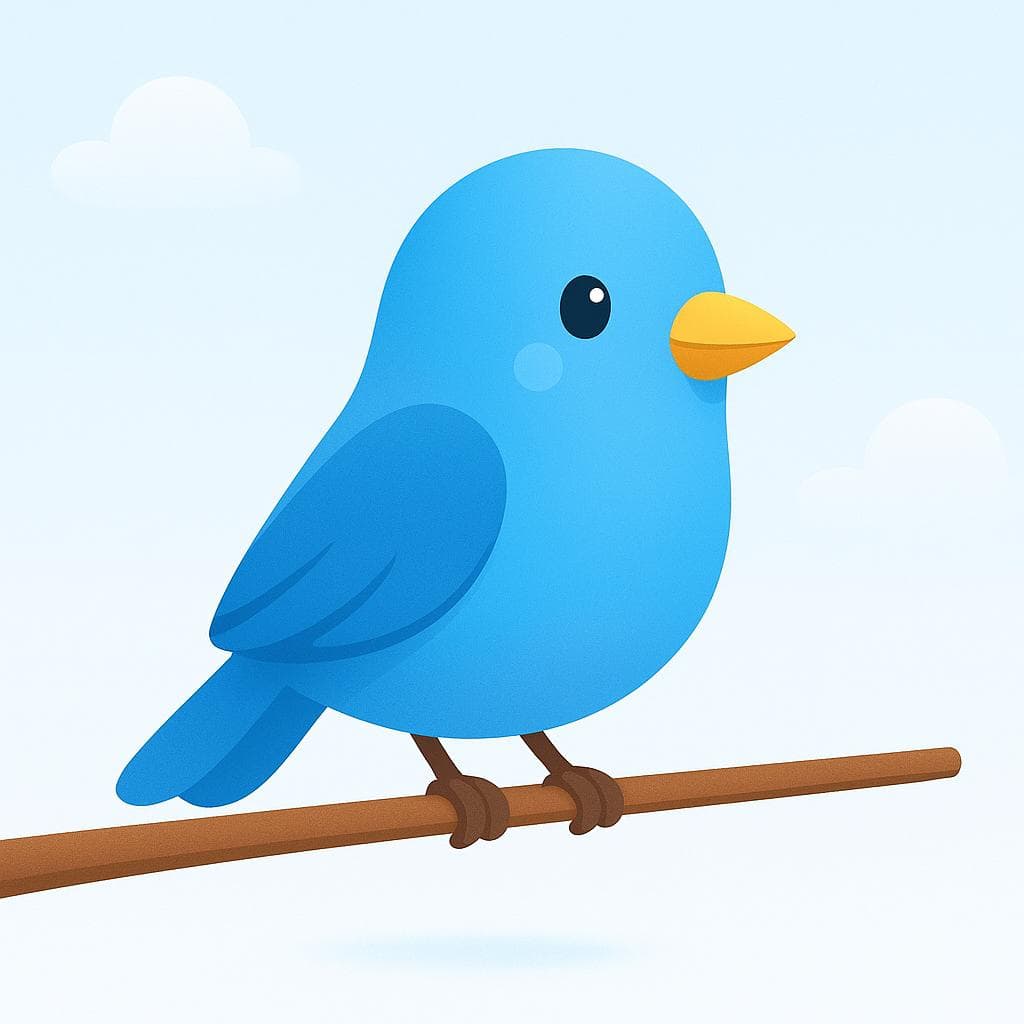

bird
Also: fowl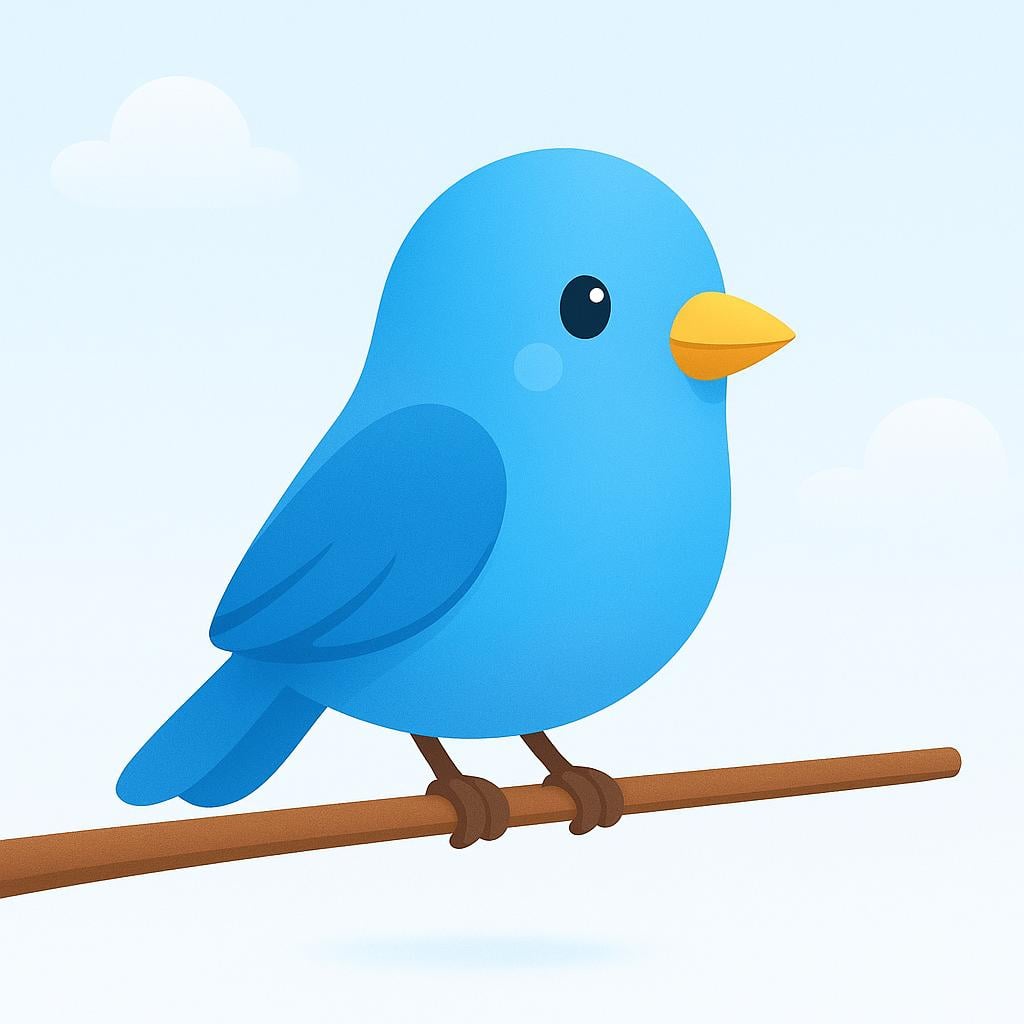
📝 In Action
Vimos un ave exótica en el parque.
A1We saw an exotic bird in the park.
Las aves migratorias viajan miles de kilómetros.
B1Migratory birds travel thousands of kilometers.
AVE
Also: high-speed train
📝 In Action
El AVE de Madrid a Sevilla es muy rápido.
B1The AVE (high-speed train) from Madrid to Seville is very fast.
Necesito comprar billetes para el AVE.
A2I need to buy tickets for the AVE.
Vocabulary Collections
Translate to Spanish
✏️ Quick Practice
Quick Quiz: ave
Question 1 of 2
Which sentence correctly uses the word 'ave' (bird)?
📚 More Resources
👥 Word Family▼
📚 Etymology▼
The word comes directly from the Latin word *avis*, which also meant 'bird.' It has been used in Spanish since the earliest written records.
First recorded: Pre-10th century (as part of Vulgar Latin transition)
Cognates (Related words)
💡 Master Spanish
Take your Spanish to the next level. Read 200+ illustrated and narrated Spanish stories tailored to your level with the Inklingo app!
Frequently Asked Questions
If 'ave' is feminine, why do I see 'el ave' instead of 'la ave'?
This is a special rule for feminine nouns that start with a stressed 'a' sound (like 'agua' or 'águila'). In the singular, we temporarily switch to the masculine article 'el' to make the sentence flow better and avoid an awkward double 'a' sound. The word itself remains feminine, so we say 'el ave grande' (not 'el ave grande').