baila
“baila” means “dances” in Spanish. It has 2 different meanings depending on context:

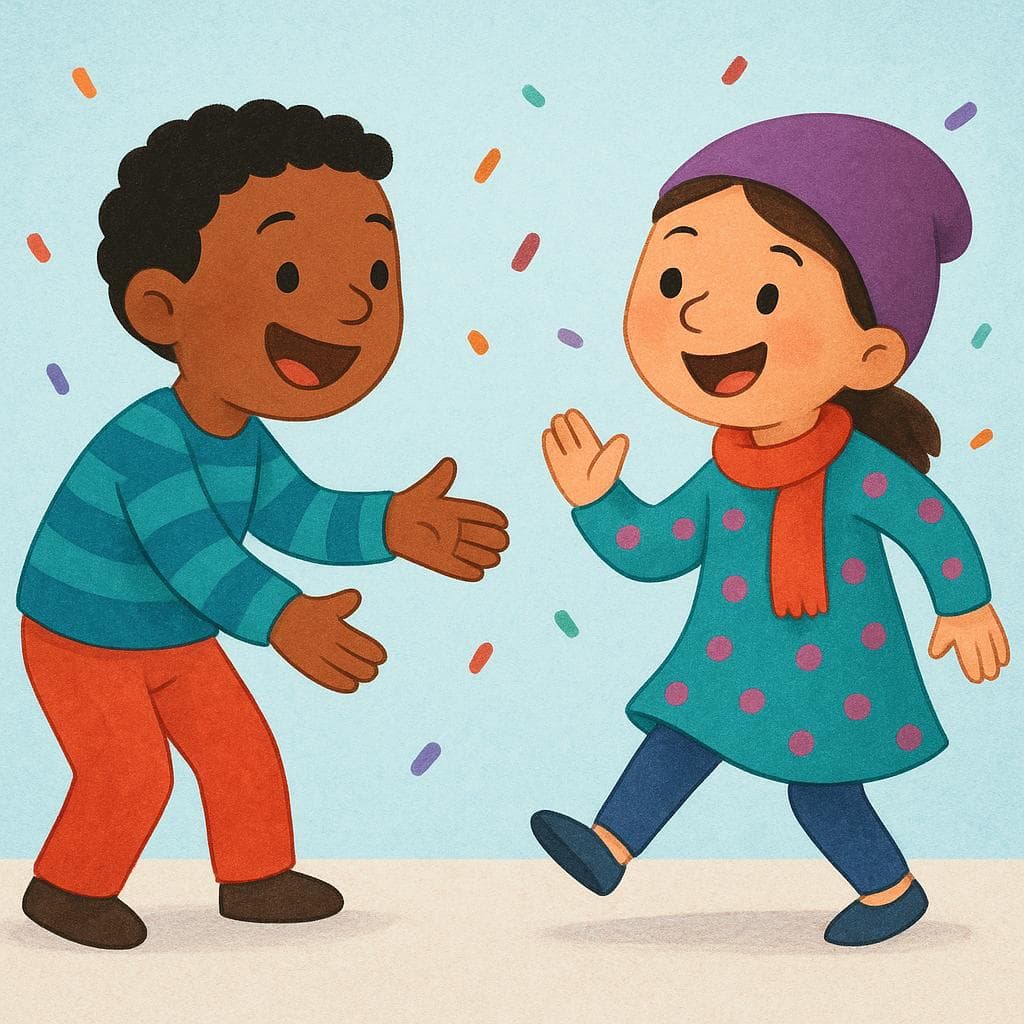
dances
Also: is dancing
📝 In Action
Mi hermana baila salsa muy bien.
A1My sister dances salsa very well.
¿Usted baila en las fiestas?
A1Do you (formal) dance at parties?
El bebé baila cuando escucha música.
A1The baby dances when he hears music.
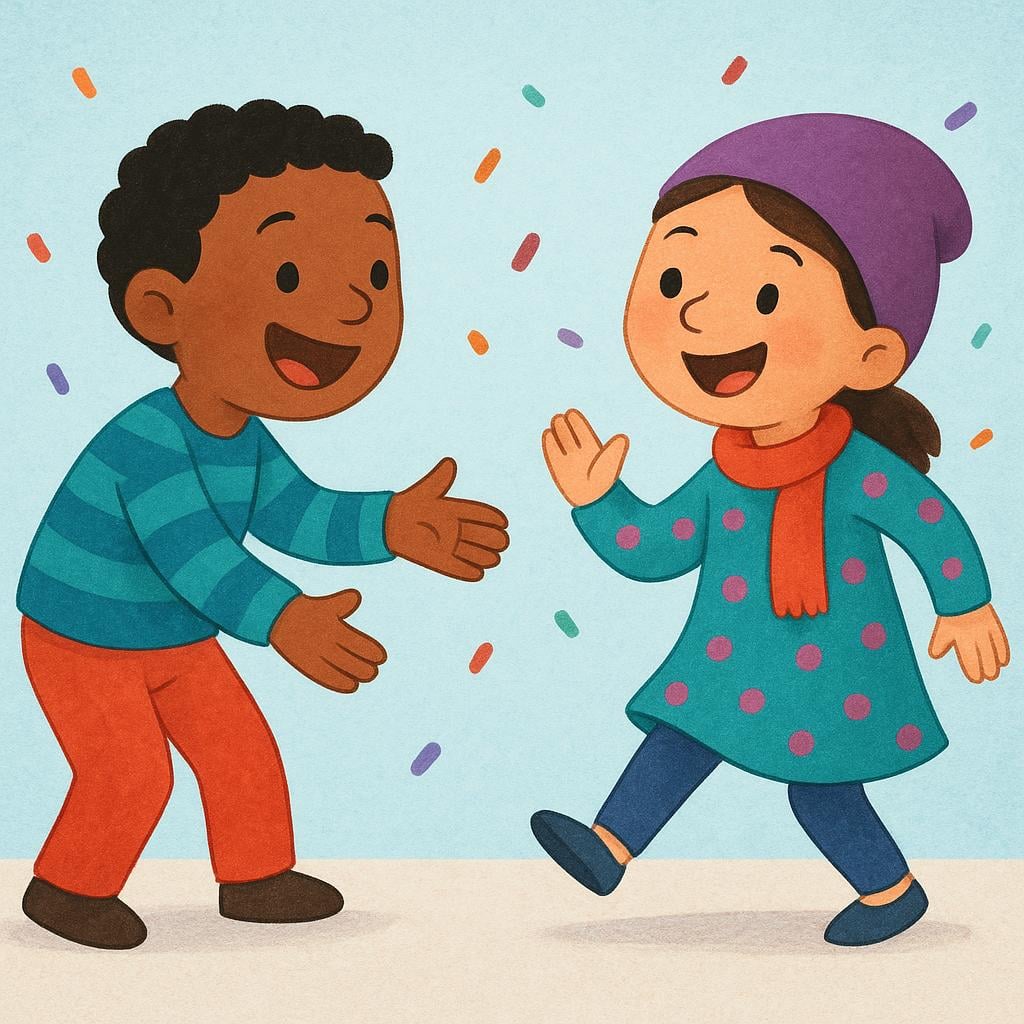
Dance!
📝 In Action
¡Baila! La música es muy buena.
A2Dance! The music is really good.
No te quedes sentado, ¡baila!
A2Don't stay seated, dance!
Indicative
Present
Imperfect
Preterite
Subjunctive
Present Subjunctive
Imperfect Subjunctive
Translate to Spanish
✏️ Quick Practice
Quick Quiz: baila
Question 1 of 2
Which sentence uses 'baila' as a command?
📚 More Resources
👥 Word Family▼
🎵 Rhymes▼
📚 Etymology▼
The verb 'bailar' comes from the Old Spanish word 'bailar' (to dance), which itself has roots in the Late Latin *ballare*, meaning 'to dance.' This Latin root is also the source of English words like 'ballroom' and 'ballet'.
First recorded: 13th century
Cognates (Related words)
💡 Master Spanish
Take your Spanish to the next level. Read 200+ illustrated and narrated Spanish stories tailored to your level with the Inklingo app!
Frequently Asked Questions
What is the difference between 'baila' and 'está bailando'?
'Baila' is the simple present tense (He/She dances, or He/She habitually dances). 'Está bailando' is the present progressive (He/She is dancing) and specifically emphasizes that the action is happening right this second.
Why does 'baila' mean two different things (a statement and a command)?
Many regular Spanish verbs reuse the same form for two different jobs: the third-person statement ('he/she does it') and the informal command ('do it!'). You can tell the difference based on the context, tone, or if the subject (tú, usted) is used.