barba
“barba” means “beard” in Spanish. It has 2 different meanings depending on context:

beard
Also: whiskers, chin
📝 In Action
Mi tío se dejó crecer la barba durante las vacaciones.
A1My uncle let his beard grow during the holidays.
Llevaba una barba larga y canosa, como un sabio.
A2He wore a long, gray beard, like a wise man.
El gato tiene unas barbas muy sensibles que le ayudan a orientarse.
B1The cat has very sensitive whiskers that help it orient itself.
barb
Also: fluke
📝 In Action
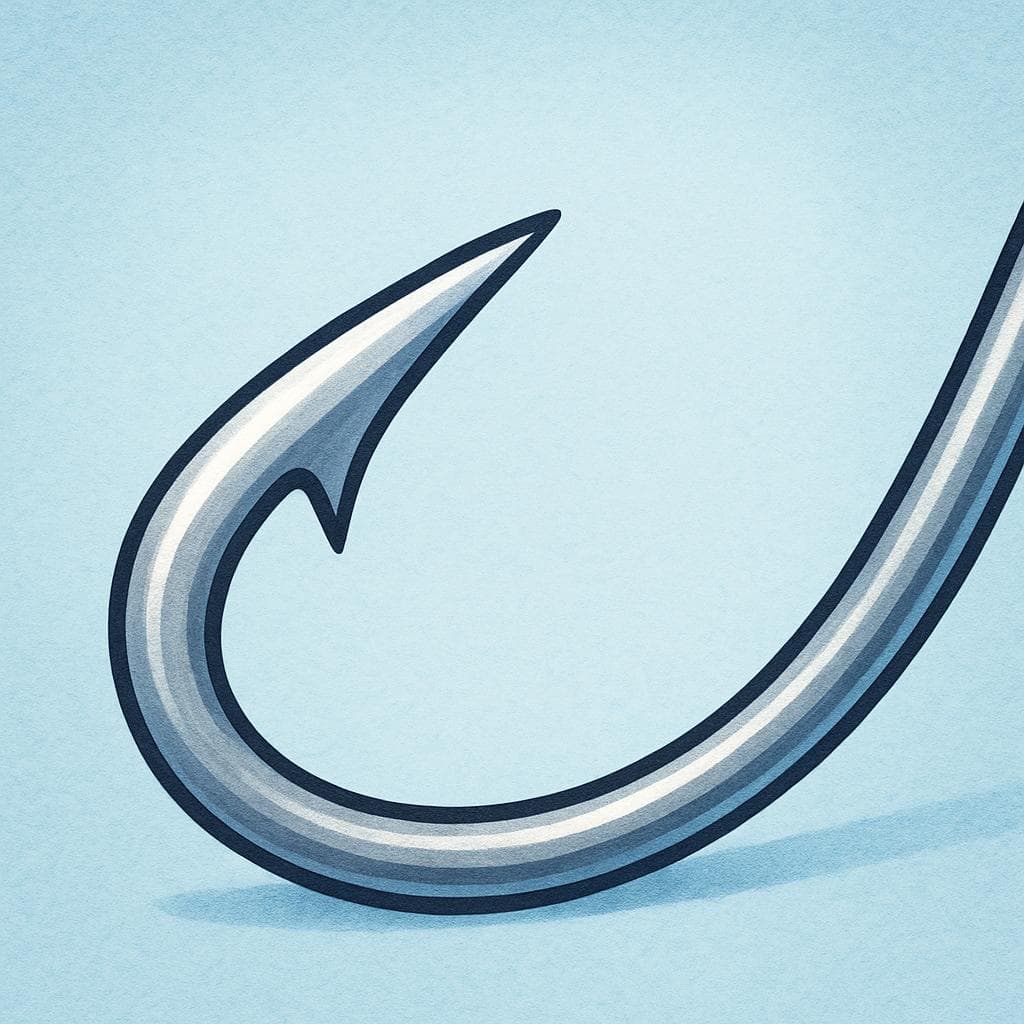
La barba del anzuelo evita que el pez se escape fácilmente.
B2The barb of the hook prevents the fish from easily escaping.
Asegúrate de que la barba de la flecha esté afilada antes de cazar.
C1Make sure the barb of the arrow is sharp before hunting.
✏️ Quick Practice
Quick Quiz: barba
Question 1 of 2
Which word would you use if a man only has hair above his lip, but not on his chin?
📚 More Resources
👥 Word Family▼
📚 Etymology▼
The word comes directly from the Latin word *barba*, which also meant 'beard'. This root is shared across many Romance languages.
First recorded: 10th century
Cognates (Related words)
💡 Master Spanish
Take your Spanish to the next level. Read 200+ illustrated and narrated Spanish stories tailored to your level with the Inklingo app!
Frequently Asked Questions
Is 'barba' the same as 'barbilla'?
No, they are related but different. 'Barba' refers to the facial hair (the beard). 'Barbilla' refers to the actual body part, the chin. Sometimes people use 'barba' to mean chin, but 'barbilla' is usually clearer and more precise for the bone structure.
If I want to say someone is unshaven (stubble), what word should I use?
You can use 'barba de tres días' (three-day beard/stubble) or the noun 'barbita' (little beard/stubble), or simply say 'está sin afeitar' (he is unshaven).