barril
“barril” means “barrel” in Spanish. It has 2 different meanings depending on context:
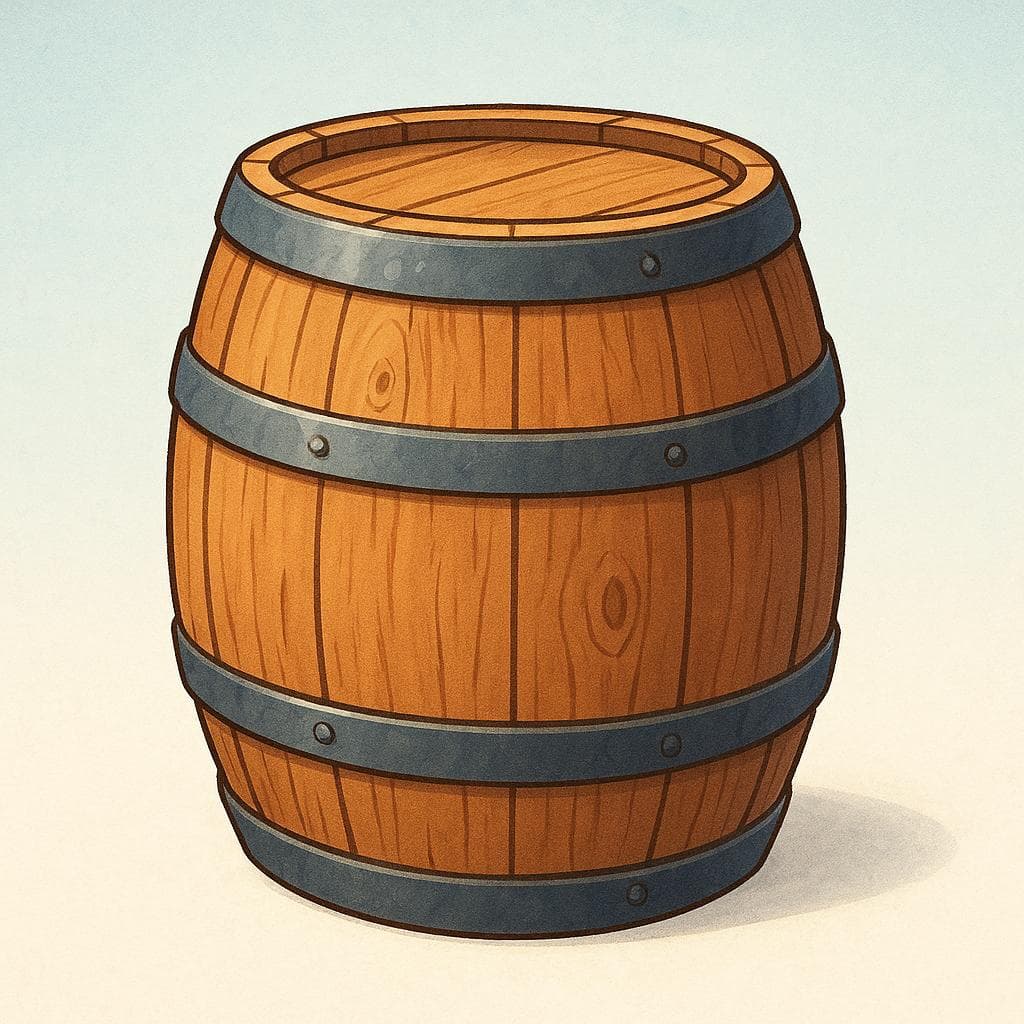
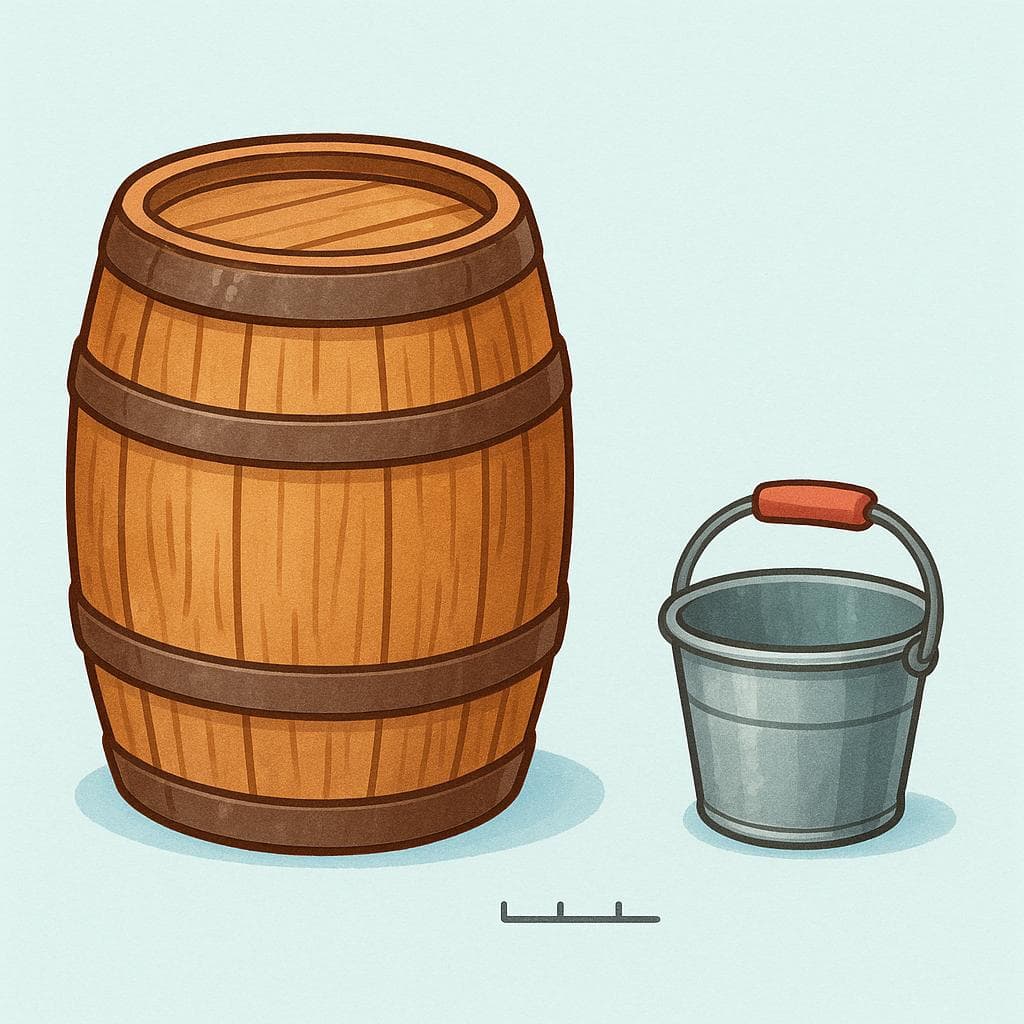
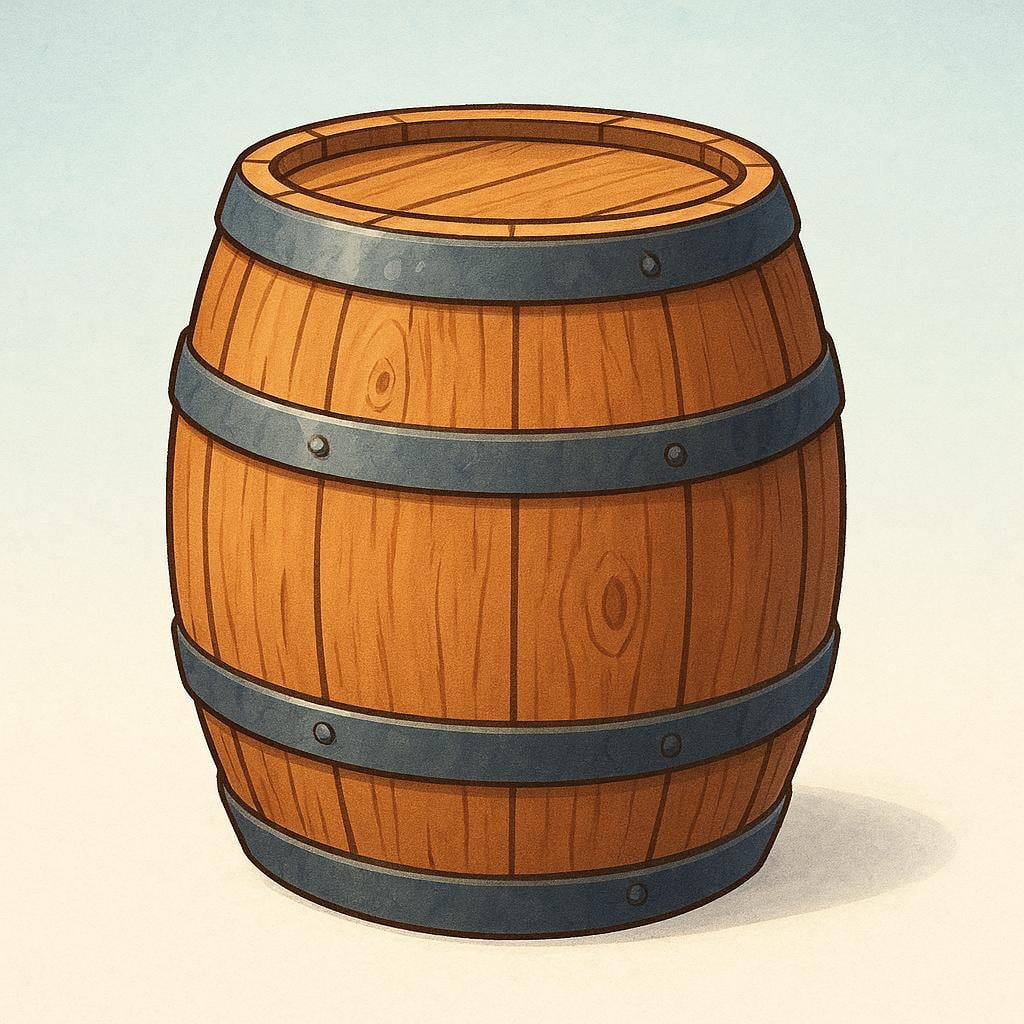
barrel, caskAlso: keg
📝 In Action
El vino se añeja en barriles de roble.
A2The wine is aged in oak barrels.
Necesitamos un barril nuevo para la cerveza artesanal.
B1We need a new keg for the craft beer.
Word Connections
barrel
📝 In Action
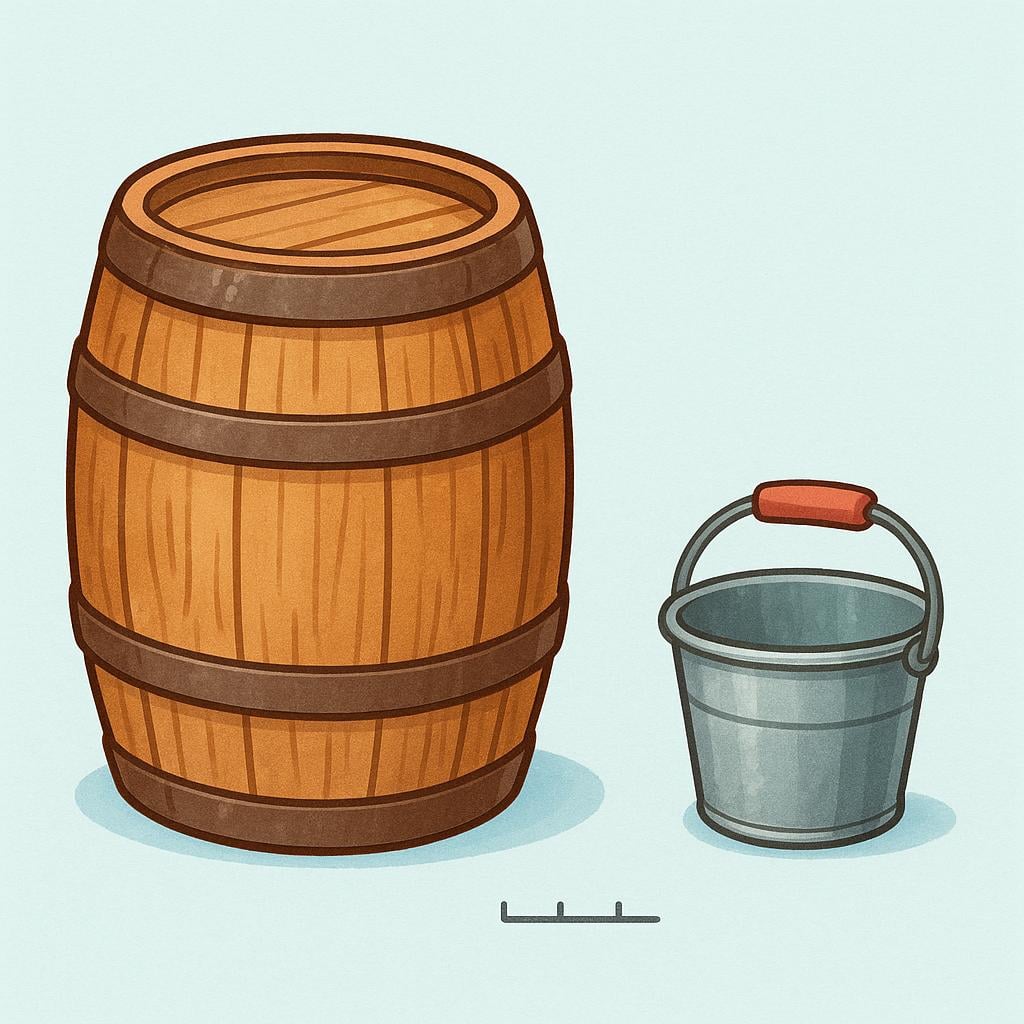
El precio del barril de petróleo crudo ha bajado considerablemente.
B2The price of a barrel of crude oil has dropped considerably.
La producción diaria es de cien mil barriles.
B1The daily production is one hundred thousand barrels.
Word Connections
✏️ Quick Practice
Quick Quiz: barril
Question 1 of 2
¿Cuál es la traducción más común de 'barril' cuando se habla de economía y noticias?
📚 More Resources
👥 Word Family
📚 Etymology
Likely comes from a Medieval Spanish word related to 'barra' (bar or rod), referring to the wooden staves used to build the cylindrical container. It emphasizes the construction of the container.
First recorded: 13th century
Cognates (Related words)
💡 Master Spanish
Take your Spanish to the next level. Read 200+ illustrated and narrated Spanish stories tailored to your level with the Inklingo app!
Frequently Asked Questions
¿Cómo se dice 'keg' (para cerveza) en español?
You can use 'barril' (El barril de cerveza). Sometimes you might also hear 'tanque' or 'barrica' depending on the size and material, but 'barril' is the most direct translation for a standard keg.
¿'Barril' es una palabra formal o informal?
'Barril' is a neutral, everyday word. It is used equally in technical contexts (like oil reports) and casual contexts (like talking about wine or beer).