basura
“basura” means “trash” in Spanish. It has 2 different meanings depending on context:
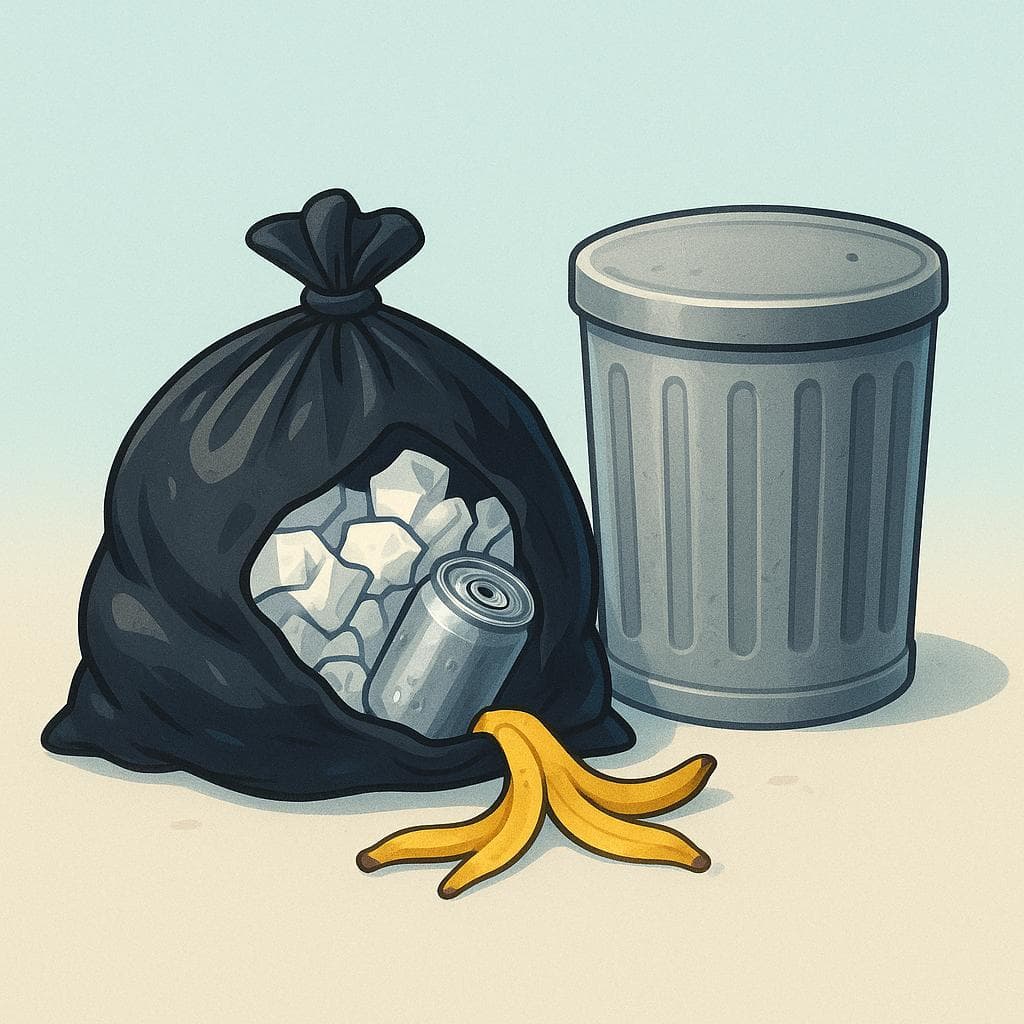
trash, garbage, rubbish
Also: litter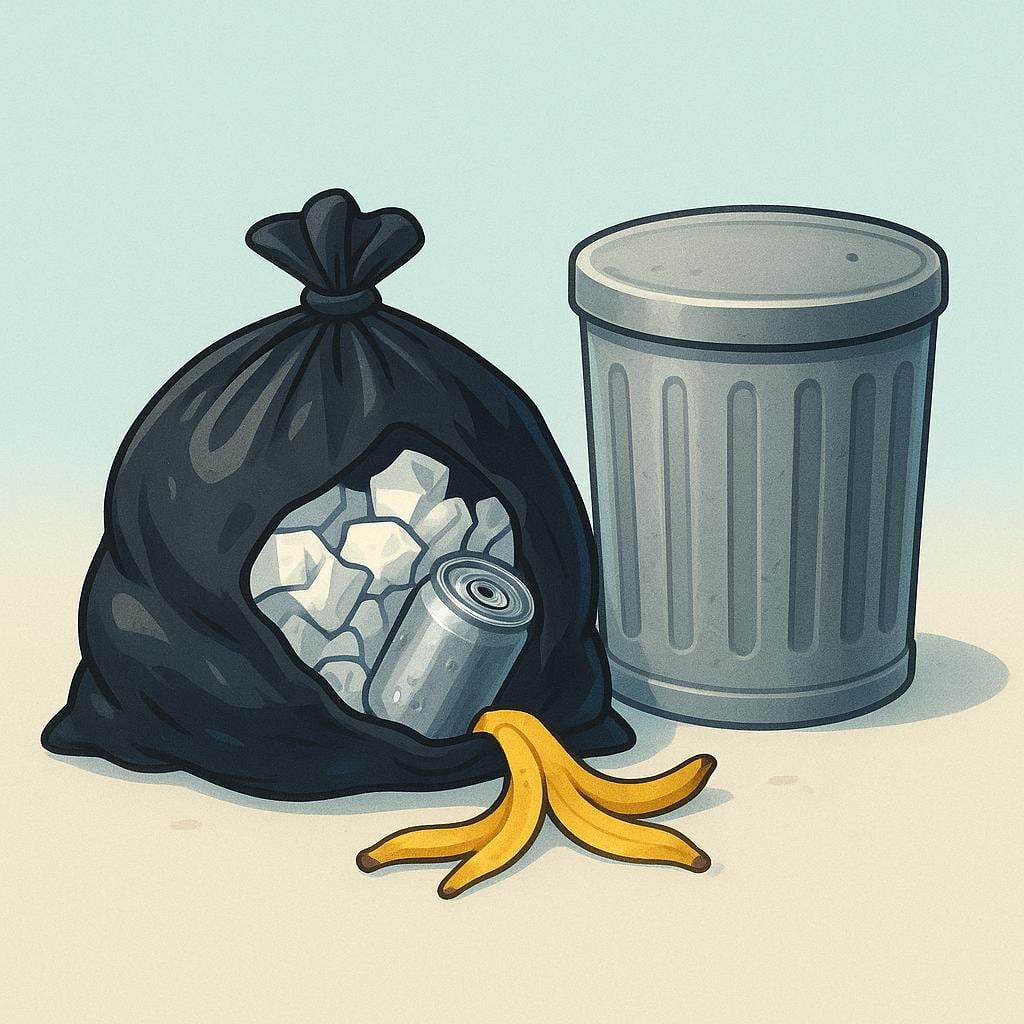
📝 In Action
Por favor, saca la basura.
A1Please, take out the trash.
El camión de la basura pasa los martes por la mañana.
A2The garbage truck comes on Tuesday mornings.
No tires basura en el parque.
A2Don't throw litter in the park.
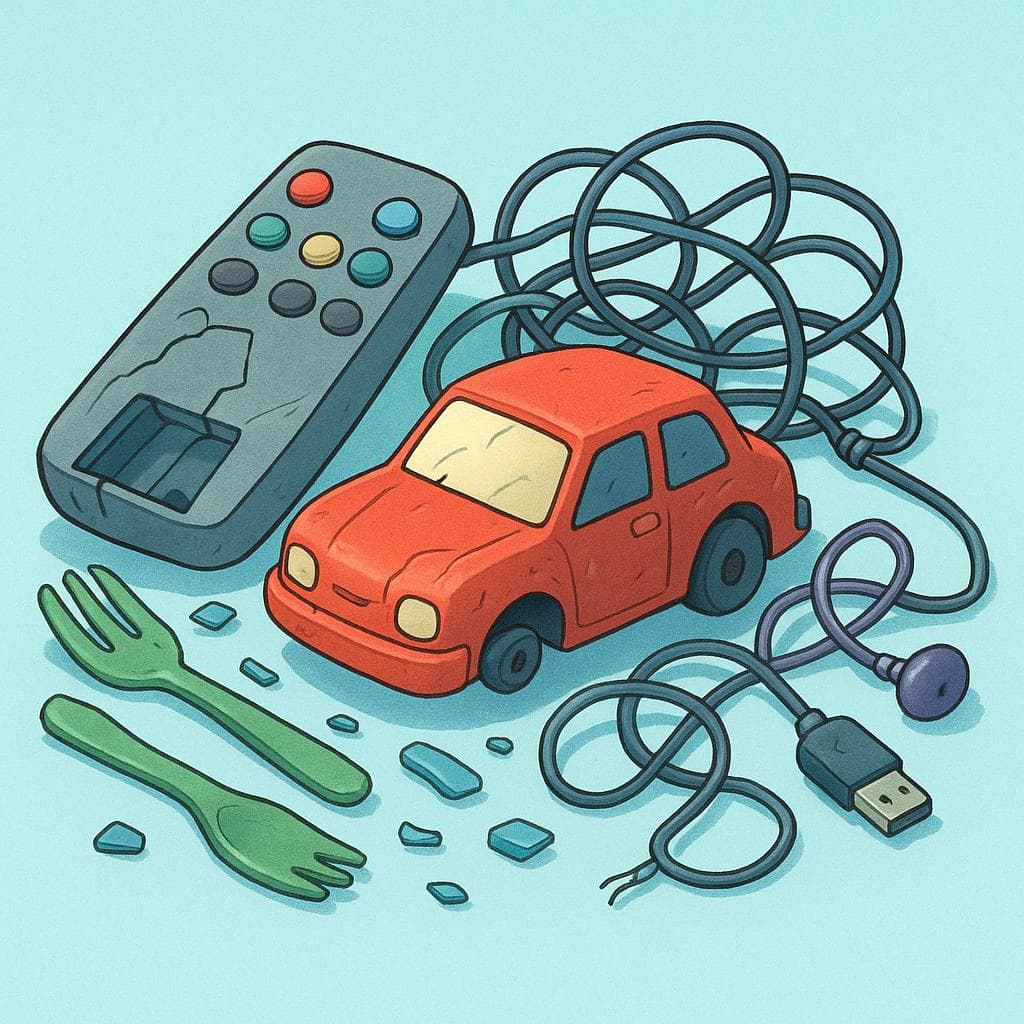
junk, rubbish
Also: trash, scum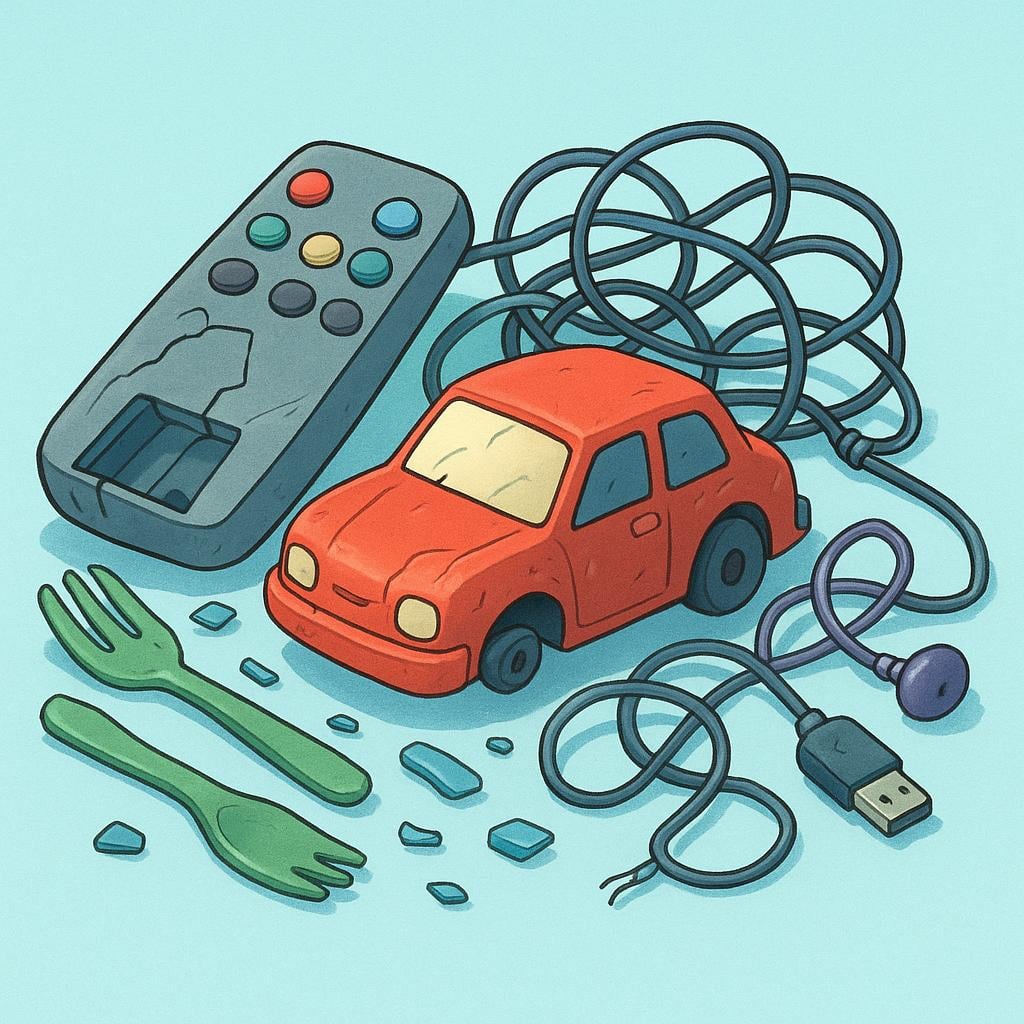
📝 In Action
Esta película es basura, no pierdas tu tiempo.
B1This movie is rubbish, don't waste your time.
No compres ese teléfono, es pura basura.
B1Don't buy that phone, it's pure junk.
Ese hombre es una basura, trata muy mal a la gente.
B2That man is scum, he treats people very badly.
Translate to Spanish
✏️ Quick Practice
Quick Quiz: basura
Question 1 of 1
Which sentence uses 'basura' in a figurative (not literal) way?
📚 More Resources
👥 Word Family▼
📚 Etymology▼
Comes from the informal Latin word '*versūra*', which meant 'sweeping'. It's related to the verb 'verrere', which means 'to sweep up'. So, 'basura' is literally 'the stuff you sweep up'.
First recorded: Around the 13th century
Cognates (Related words)
💡 Master Spanish
Take your Spanish to the next level. Read 200+ illustrated and narrated Spanish stories tailored to your level with the Inklingo app!
Frequently Asked Questions
What's the difference between 'basura' and 'residuos'?
'Basura' is the everyday word for trash or garbage. 'Residuos' is a more formal or technical term, often used in contexts like recycling or industrial waste, similar to the English word 'waste' or 'residue'.
How do I say 'junk food' in Spanish?
The most common and direct translation is 'comida basura', which literally means 'trash food'. You might also hear 'comida chatarra', which literally means 'scrap metal food'.