bomba
“bomba” means “bomb” in Spanish. It has 4 different meanings depending on context:
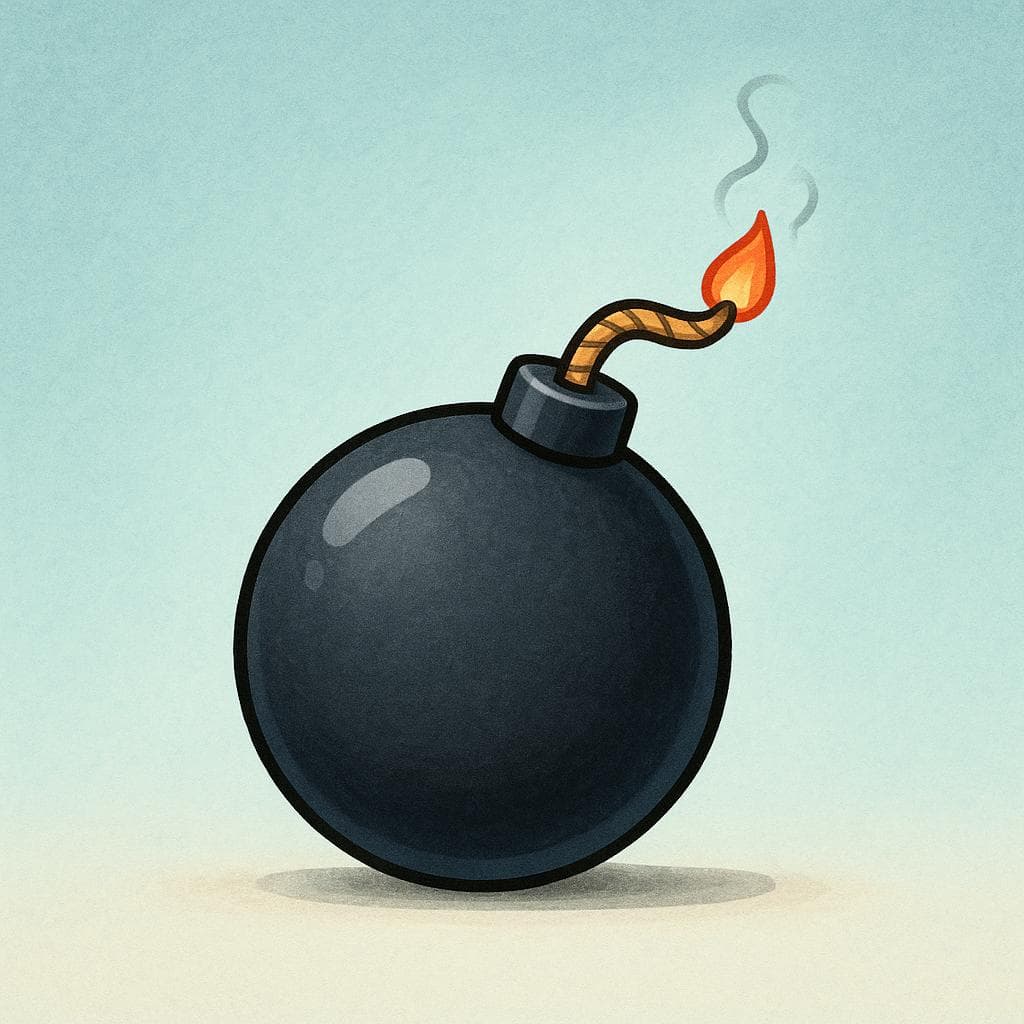

bomb
Also: shell, grenade
📝 In Action
La policía encontró una bomba escondida debajo del coche.
A2The police found a bomb hidden under the car.
Desactivaron la bomba justo antes de que explotara.
B1They deactivated the bomb just before it exploded.
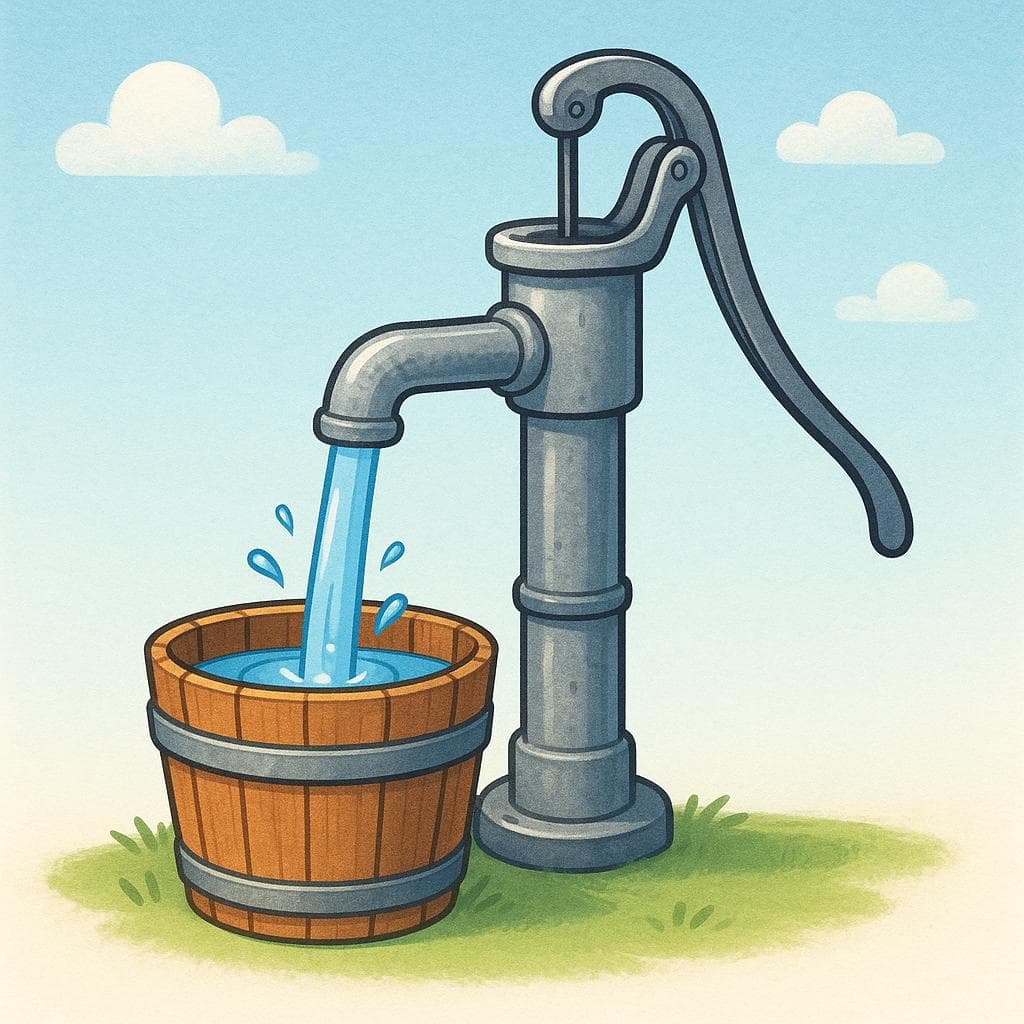
pump
Also: syphon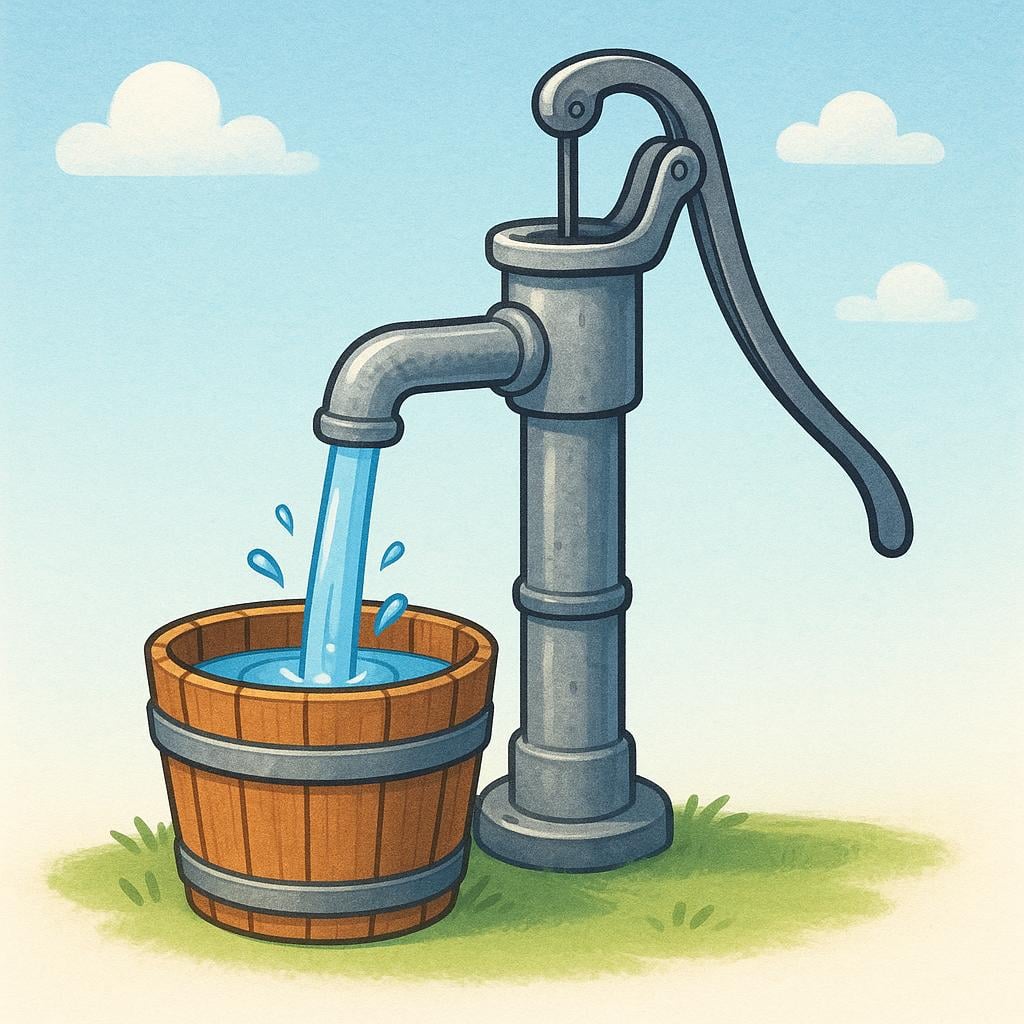
📝 In Action
Necesitas una bomba de aire para inflar la rueda pinchada.
B1You need an air pump to inflate the punctured tire.
El motor no arranca porque la bomba de gasolina está rota.
B2The engine won't start because the fuel pump is broken.
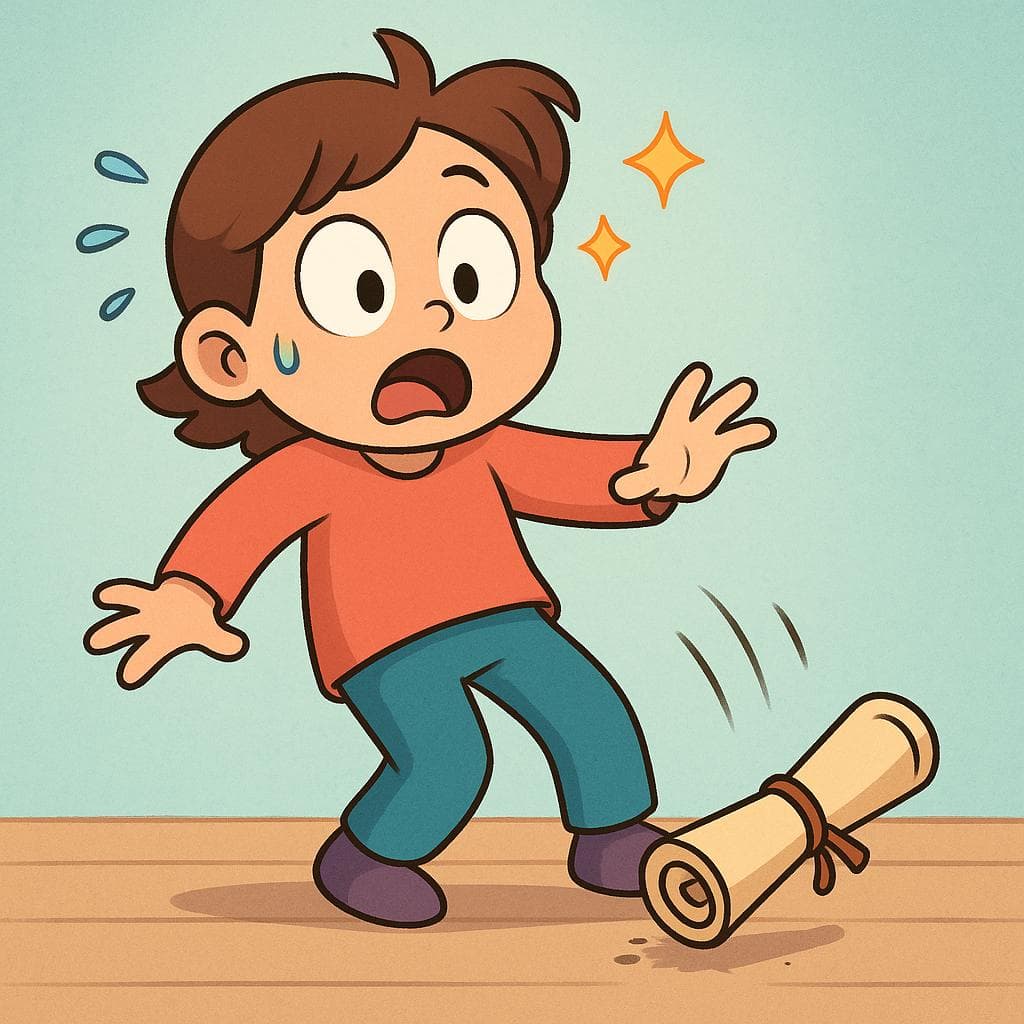
bombshell
Also: shocker, scoop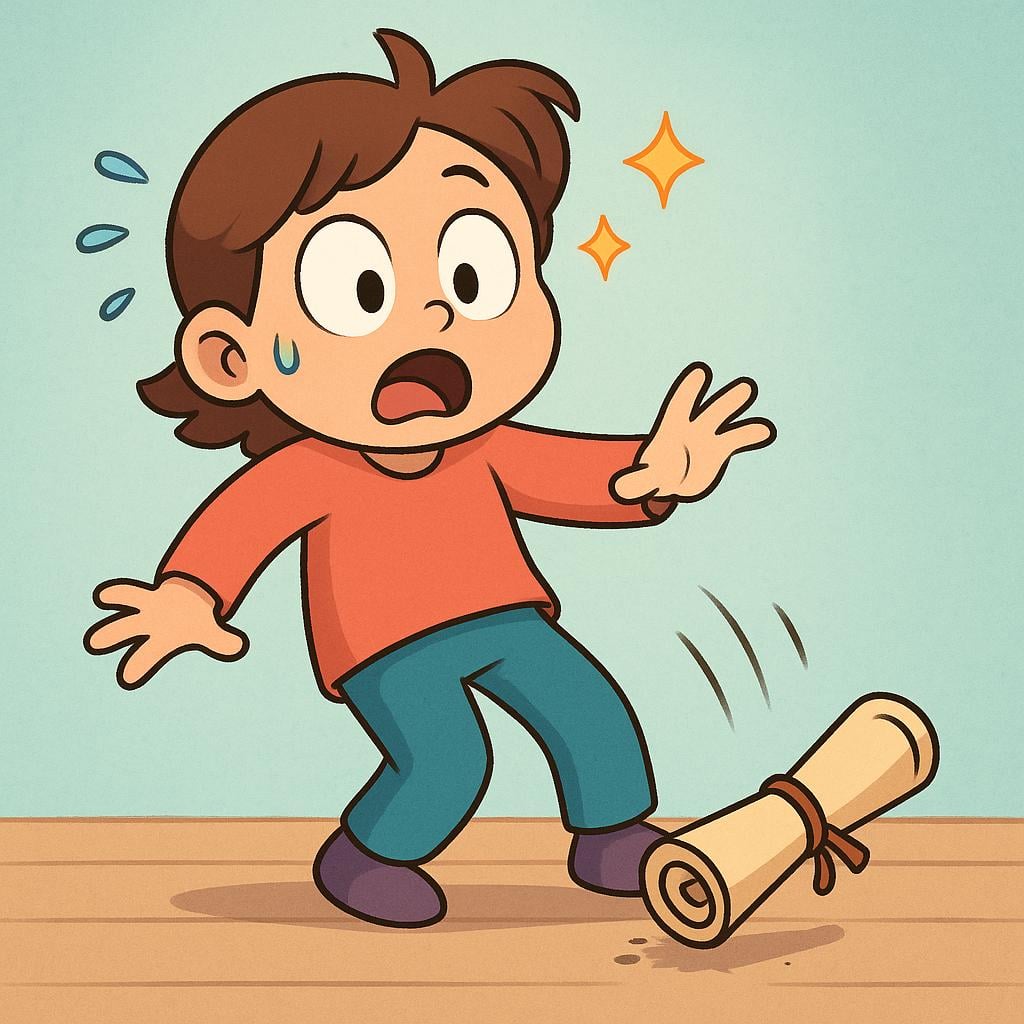
📝 In Action
La renuncia del jefe fue una bomba en la oficina.
B2The boss's resignation was a bombshell in the office.
El periódico anunció la noticia bomba en la portada.
C1The newspaper announced the sensational news (the bombshell) on the front page.
a blast
Also: amazing
📝 In Action
¡Esa canción es una bomba! No puedo dejar de bailarla.
C1That song is amazing (a blast)! I can't stop dancing to it.
La fiesta de cumpleaños fue una bomba, había mucha gente y música genial.
C1The birthday party was a blast; there were lots of people and great music.
Translate to Spanish
✏️ Quick Practice
Quick Quiz: bomba
Question 1 of 2
Which English translation is correct for the sentence: 'El descubrimiento fue una bomba en la comunidad científica.'
📚 More Resources
📚 Etymology▼
This word comes from the Latin *bombus*, which was an imitative word meant to sound like a low, hollow buzzing or booming noise. Over time, it became associated with loud, impactful things, leading to its meanings for explosive devices and mechanical pumps.
First recorded: 15th century
Cognates (Related words)
💡 Master Spanish
Take your Spanish to the next level. Read 200+ illustrated and narrated Spanish stories tailored to your level with the Inklingo app!
Frequently Asked Questions
Why does 'bomba' mean both 'bomb' and 'pump'?
This is a great example of how words evolve! Both bombs and early pumps involved a sudden, forceful release of energy or liquid. The shared idea of 'forceful impact' or 'a burst' allowed the word to describe two very different objects that share a similar functional idea.
Is 'bomba' always feminine?
Yes, 'bomba' is a feminine noun, so it always requires feminine articles (la bomba, una bomba) and feminine adjectives (una bomba poderosa—a powerful bomb/pump).