bordo
“bordo” means “board” in Spanish. It has 2 different meanings depending on context:

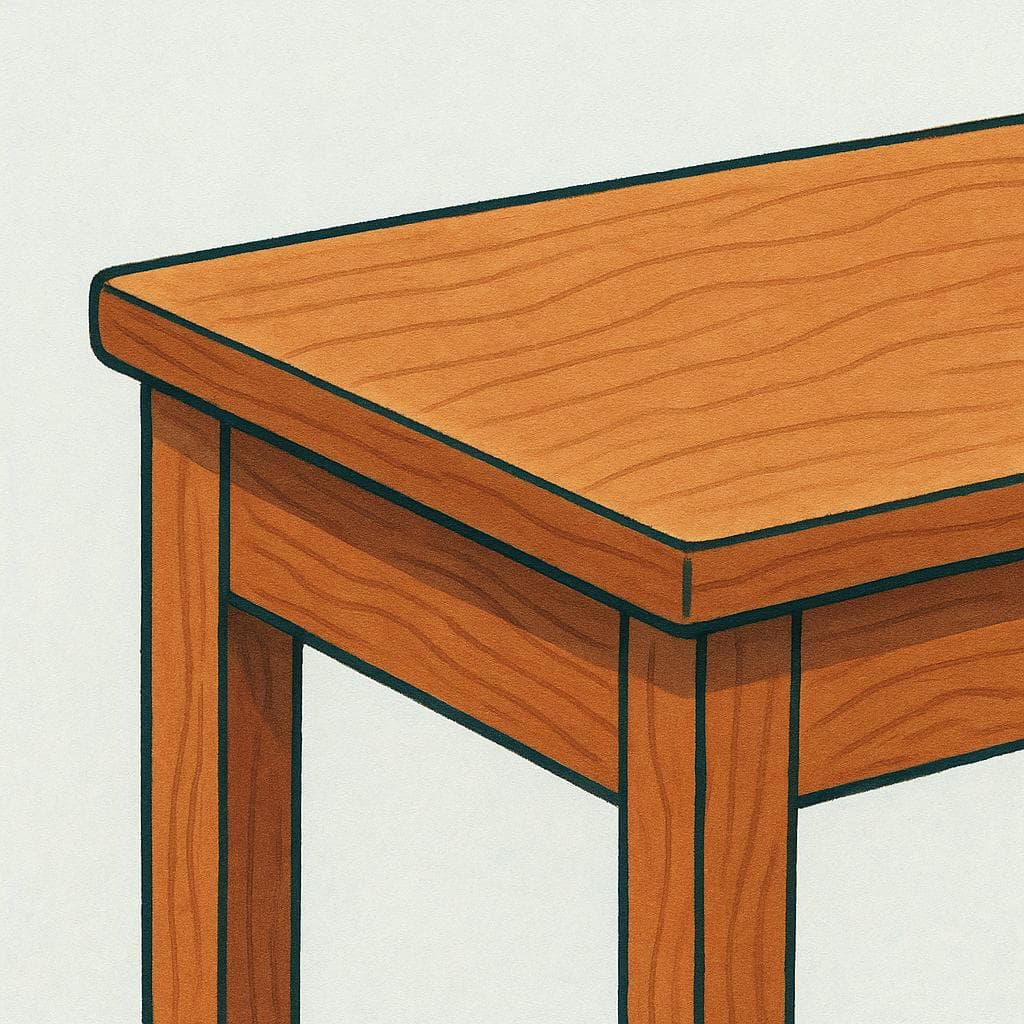
board, side
Also: rim
📝 In Action
Todos los pasajeros están a bordo del avión.
A2All the passengers are on board the plane.
El capitán miró por encima del bordo del barco.
B1The captain looked over the side of the boat.
La policía revisó la documentación a bordo del vehículo.
B1The police checked the documentation inside the vehicle.
edge
Also: rim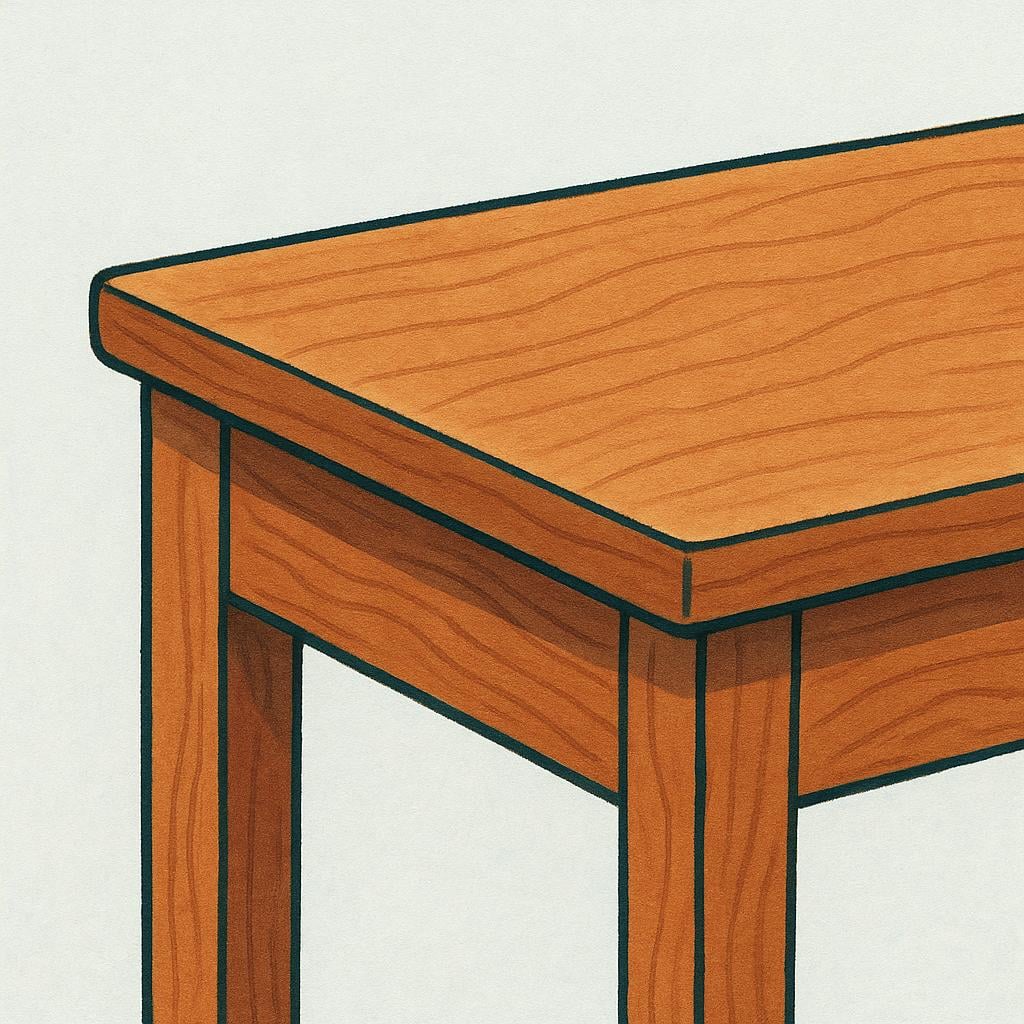
📝 In Action
El carpintero lijó el bordo de la mesa para suavizarlo.
B2The carpenter sanded the edge of the table to smooth it.
Tuvimos que reforzar el bordo del pozo.
C1We had to reinforce the rim of the well.
✏️ Quick Practice
Quick Quiz: bordo
Question 1 of 2
Which sentence correctly uses 'bordo' in the context of travel?
📚 More Resources
👥 Word Family▼
📚 Etymology▼
The word comes from Old French *bort*, which itself came from a Germanic word meaning 'plank' or 'side.' This origin emphasizes its connection to the side of a boat or ship, which is why it's so tied to travel vocabulary.
First recorded: Medieval Spanish
Cognates (Related words)
💡 Master Spanish
Take your Spanish to the next level. Read 200+ illustrated and narrated Spanish stories tailored to your level with the Inklingo app!
Frequently Asked Questions
What is the difference between 'bordo' and 'borde'?
'Bordo' specifically refers to the side or deck of a vessel (ship, plane) or is used in the essential phrase 'a bordo' (on board). 'Borde' is the general word for 'edge' or 'border' (like the edge of a plate or a piece of paper).
Does 'bordo' have a feminine form?
No, 'bordo' is always a masculine noun, meaning you must use the masculine article 'el' (el bordo).