borracha
“borracha” means “drunk” in Spanish. It has 2 different meanings depending on context:
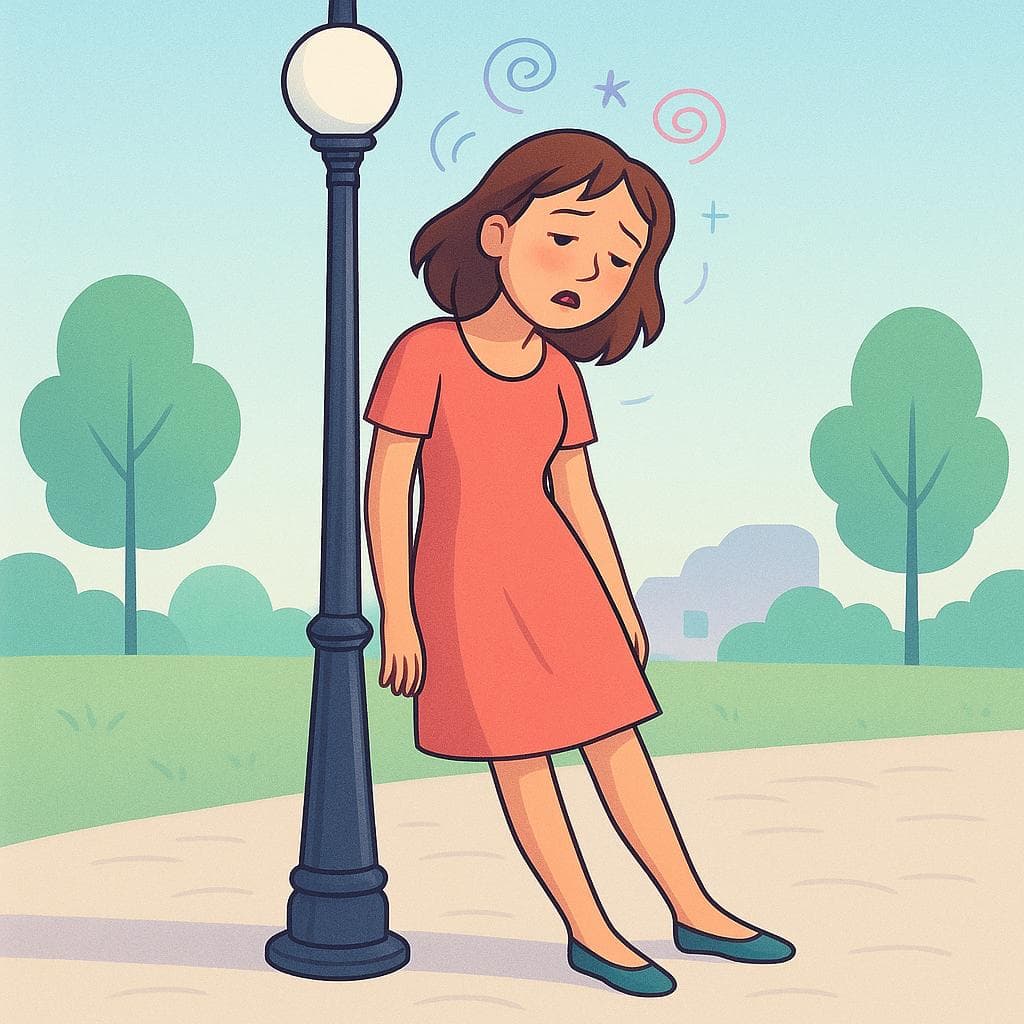

drunk
Also: inebriated, wasted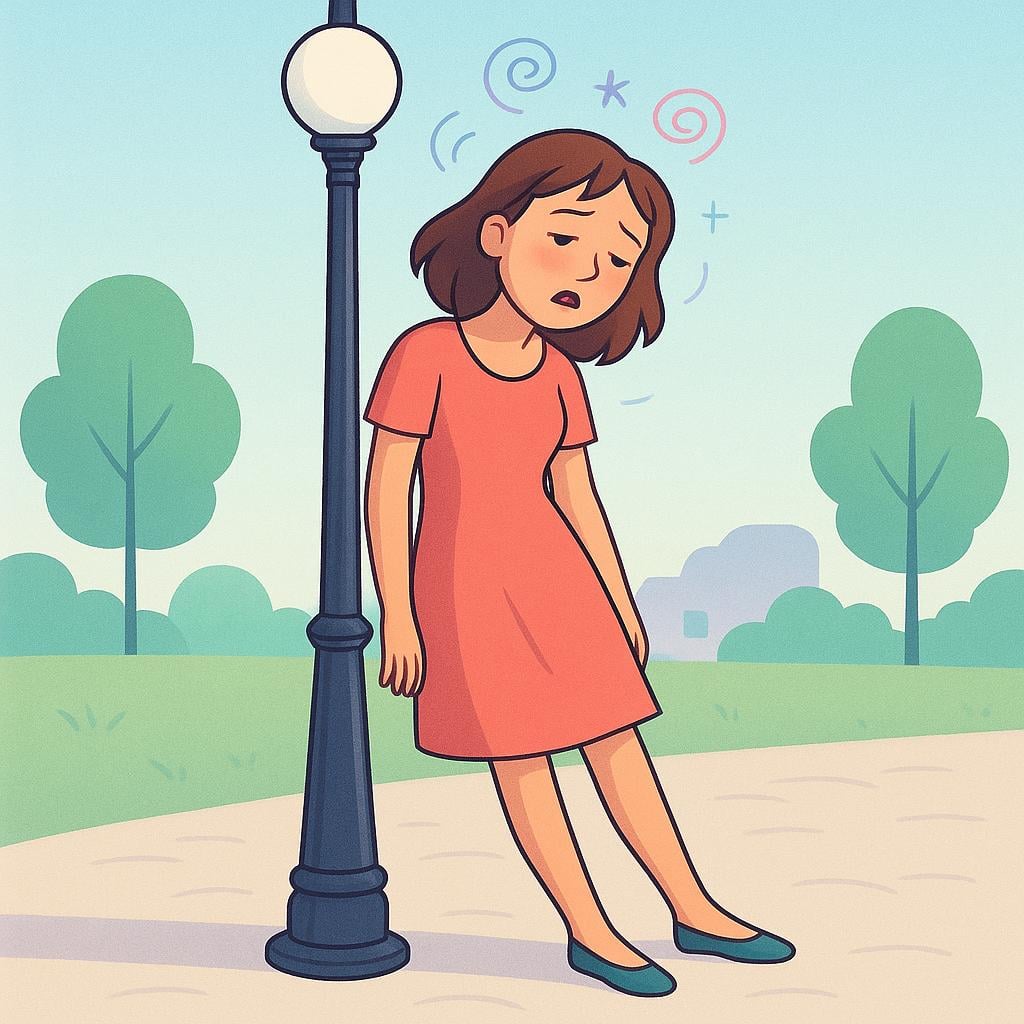
📝 In Action
Ella no puede conducir porque está borracha.
A2She can't drive because she is drunk.
Después de tres copas, ya estaba un poco borracha y se reía de todo.
B1After three drinks, she was already a little drunk and was laughing at everything.
drunkard
Also: heavy drinker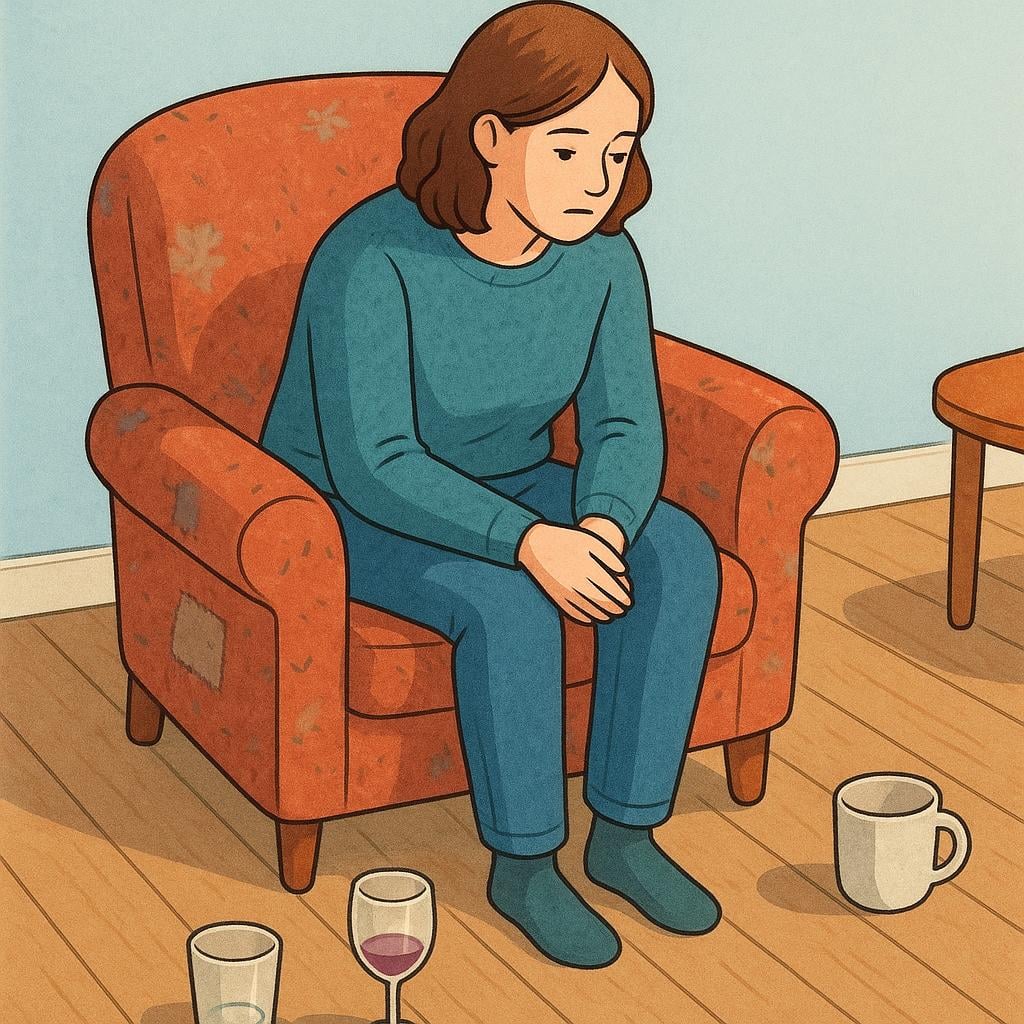
📝 In Action
Lamentablemente, su tía se convirtió en una borracha después de perder su trabajo.
B2Unfortunately, her aunt became a drunkard after losing her job.
Dicen que el vecino es un borracho y su esposa, una borracha también.
B1They say the neighbor is a drunkard and his wife is one too.
Translate to Spanish
✏️ Quick Practice
Quick Quiz: borracha
Question 1 of 1
Which sentence correctly uses 'borracha' to describe a temporary state?
📚 More Resources
👥 Word Family▼
🎵 Rhymes▼
📚 Etymology▼
The word likely comes from *borra*, which originally meant 'dregs' or 'sediment' left at the bottom of a wine barrel. It is also related to the idea of a leather wineskin (a 'bota') that is full and bulging, linking the image of a full container to a person full of drink.
First recorded: Medieval Spanish
Cognates (Related words)
💡 Master Spanish
Take your Spanish to the next level. Read 200+ illustrated and narrated Spanish stories tailored to your level with the Inklingo app!
Frequently Asked Questions
What is the difference between 'borracha' and 'borrachera'?
'Borracha' describes a person (the female drunkard or the state of being drunk). 'Borrachera' is the noun for the abstract state or episode of heavy drinking itself, like 'drunkenness' or 'a binge'.