británicos
“británicos” means “British” in Spanish. It has 2 different meanings depending on context:
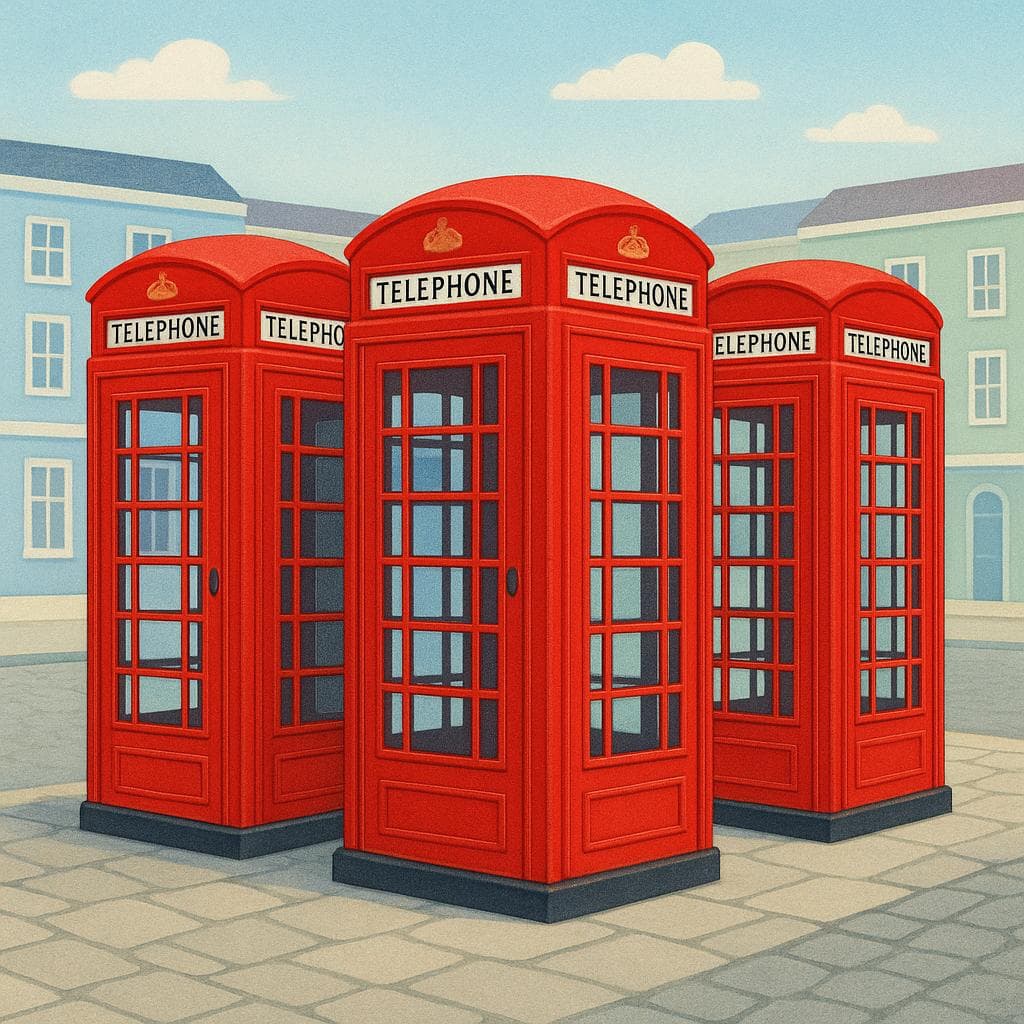
BritishAlso: of Britain

📝 In Action
Los turistas británicos visitan mucho España.
A1British tourists visit Spain a lot.
Necesito comprar unos adaptadores británicos para los enchufes.
A2I need to buy some British adapters for the plugs.
Word Connections
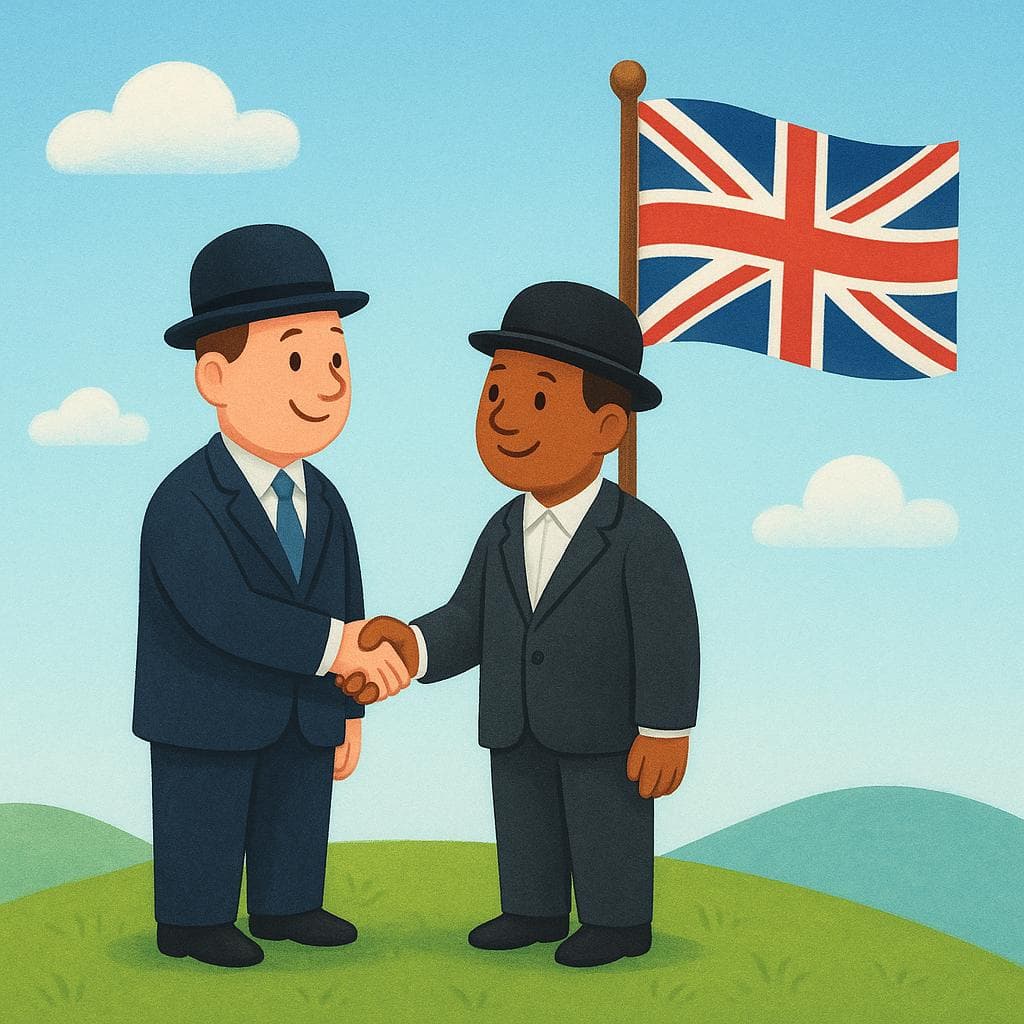
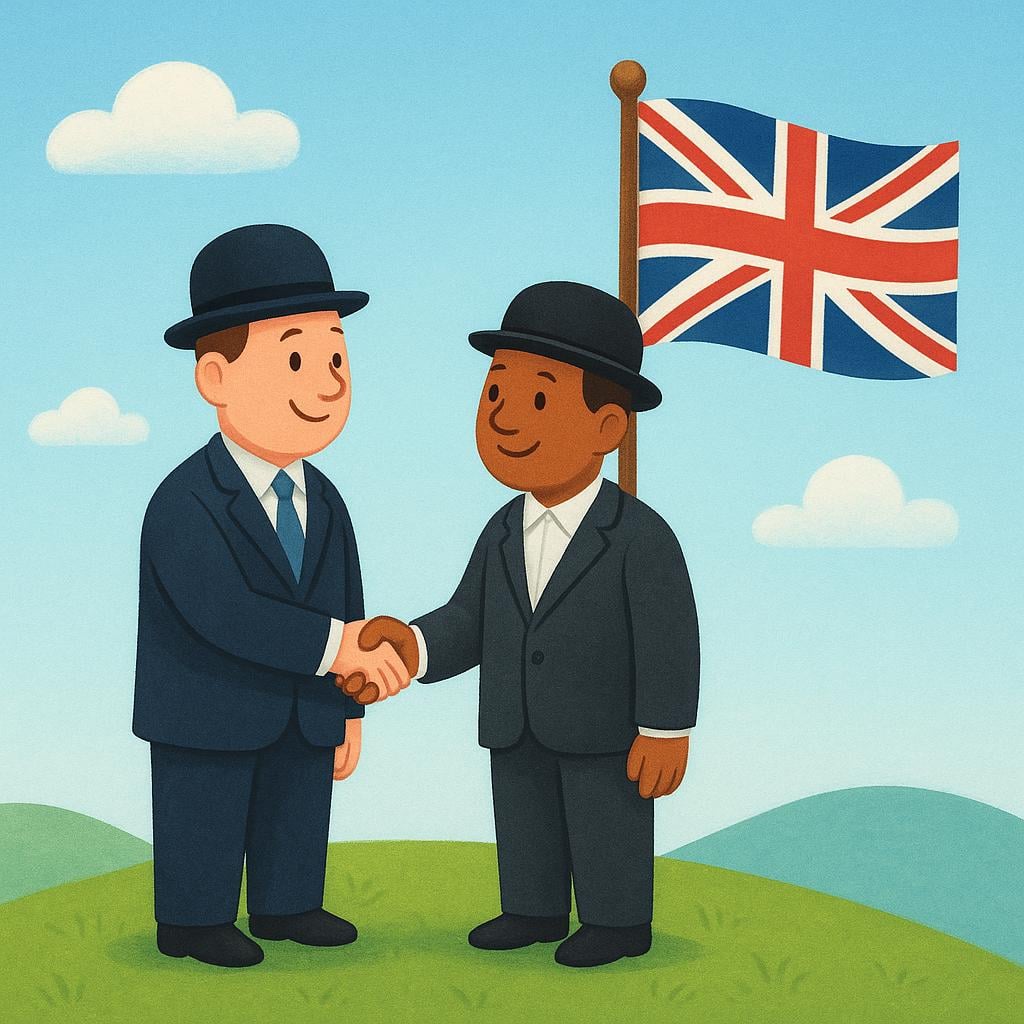
BritonsAlso: British people
📝 In Action
Los británicos son conocidos por su puntualidad.
A1The British are known for their punctuality.
Hay muchos británicos que viven en la costa del sur.
A2There are many British people who live on the southern coast.
Word Connections
Translate to Spanish
Words that translate to "británicos" in Spanish:
✏️ Quick Practice
Quick Quiz: británicos
Question 1 of 2
Which sentence correctly uses 'británicos' as an adjective?
📚 More Resources
👥 Word Family
🎵 Rhymes
📚 Etymology
The word comes directly from 'Britania,' the Latin name for the island, which itself is derived from the ancient Celtic name.
First recorded: Medieval period (as a predecessor to the modern Spanish form)
Cognates (Related words)
💡 Master Spanish
Take your Spanish to the next level. Read 200+ illustrated and narrated Spanish stories tailored to your level with the Inklingo app!
Frequently Asked Questions
What is the difference between 'británicos' and 'ingleses'?
'Británicos' refers to people from Great Britain (England, Scotland, and Wales). 'Ingleses' is more specific and refers only to people from England. All 'ingleses' are 'británicos,' but not all 'británicos' are 'ingleses' (they might be Scottish or Welsh).
Why does 'británicos' end in 's'?
The 's' at the end means the word is plural, referring to more than one person or thing. Because it ends in '-os,' it is the masculine plural form.