camisa
“camisa” means “shirt” in Spanish. It has 2 different meanings depending on context:

shirtAlso: blouse

📝 In Action
Necesito planchar mi camisa blanca para la reunión.
A1I need to iron my white shirt for the meeting.
Lleva una camisa de cuadros muy bonita.
A2She is wearing a very pretty checkered shirt.
Me gusta el color de tu camisa de seda.
B1I like the color of your silk shirt.

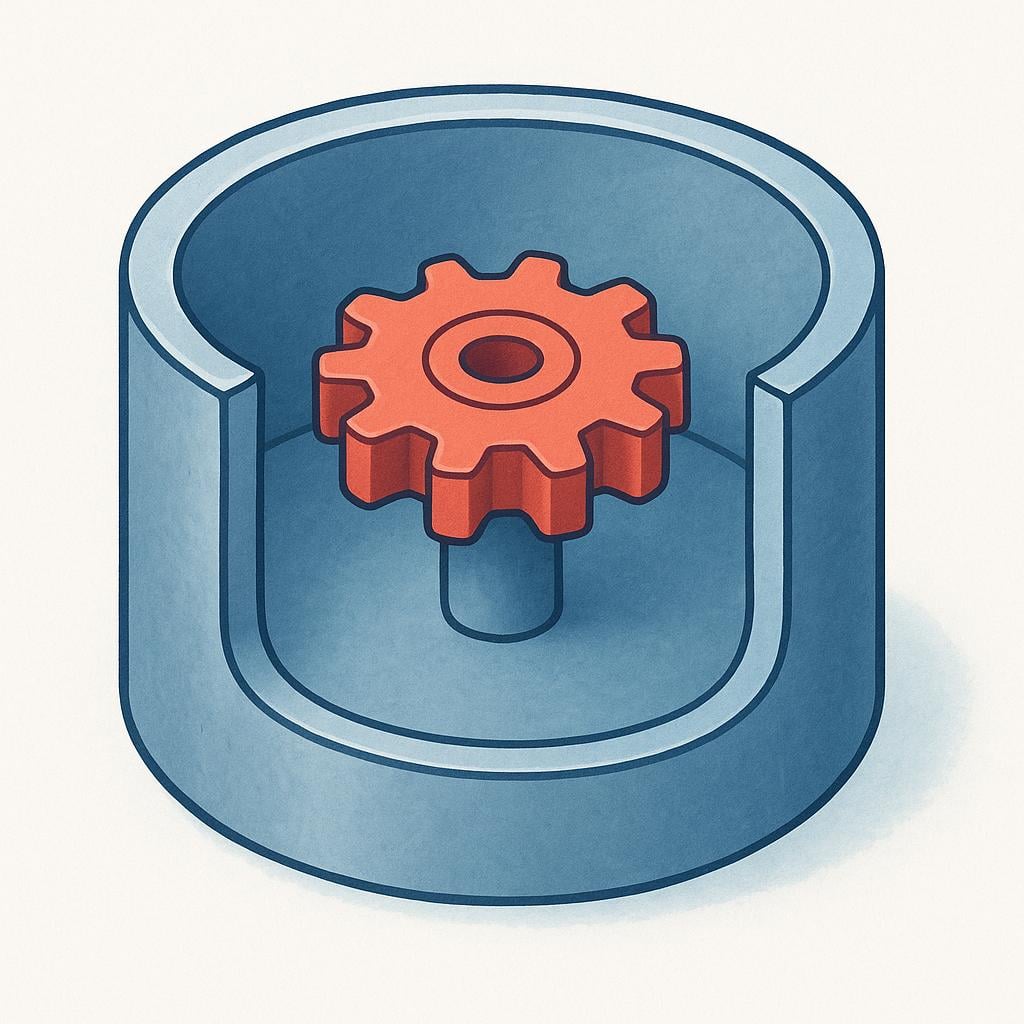
casing, cylinder linerAlso: jacket, sleeve
📝 In Action
Tuvimos que reemplazar la camisa del cilindro debido al desgaste.
B2We had to replace the cylinder liner due to wear.
La camisa de la tubería protege contra la corrosión.
C1The casing of the pipe protects against corrosion.
Word Connections
Translate to Spanish
✏️ Quick Practice
Quick Quiz: camisa
Question 1 of 2
Which article (the word for 'the') must precede 'camisa'?
📚 More Resources
👥 Word Family
📚 Etymology
The word comes from the Late Latin term *camisia*, which referred to a type of light tunic or shirt, often worn close to the skin or as nightwear. It has been used in Spanish for centuries.
First recorded: Medieval Latin (c. 4th century)
Cognates (Related words)
💡 Master Spanish
Take your Spanish to the next level. Read 200+ illustrated and narrated Spanish stories tailored to your level with the Inklingo app!
Frequently Asked Questions
What is the difference between 'camisa' and 'camiseta'?
'Camisa' usually refers to a button-up shirt with a collar. 'Camiseta' is the word for a T-shirt, undershirt, or any simple knit top without buttons or a formal collar.
Is 'camisa' used for both men and women?
Yes, absolutely. It refers to the garment itself. If it's a woman's shirt, it might sometimes be called a 'blusa,' but 'camisa' is perfectly correct for either gender.