campanas
“campanas” means “bells” in Spanish. It has 2 different meanings depending on context:

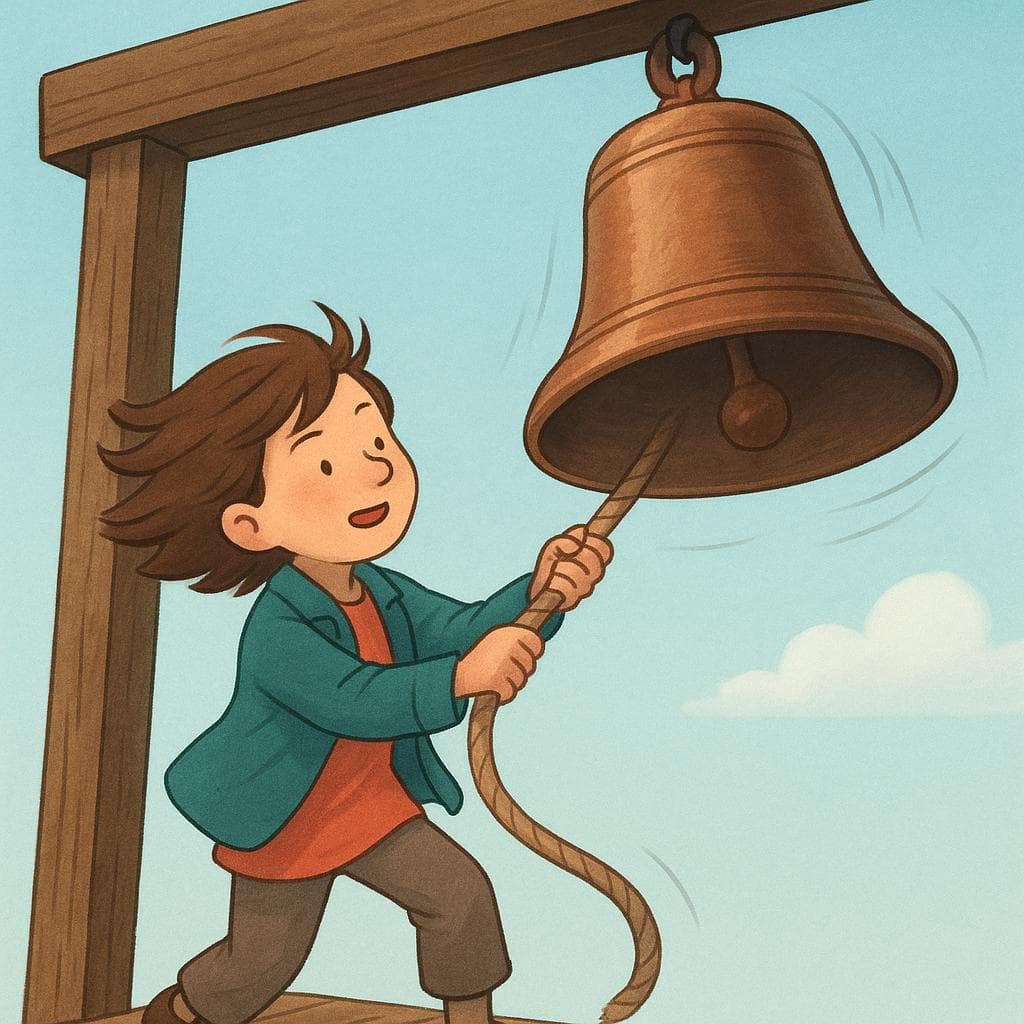
bellsAlso: chimes, carillon

📝 In Action
Las campanas de la iglesia sonaron a las doce.
A1The church bells rang at twelve o'clock.
El sonido de las campanas nos despertó.
A2The sound of the bells woke us up.
Word Connections
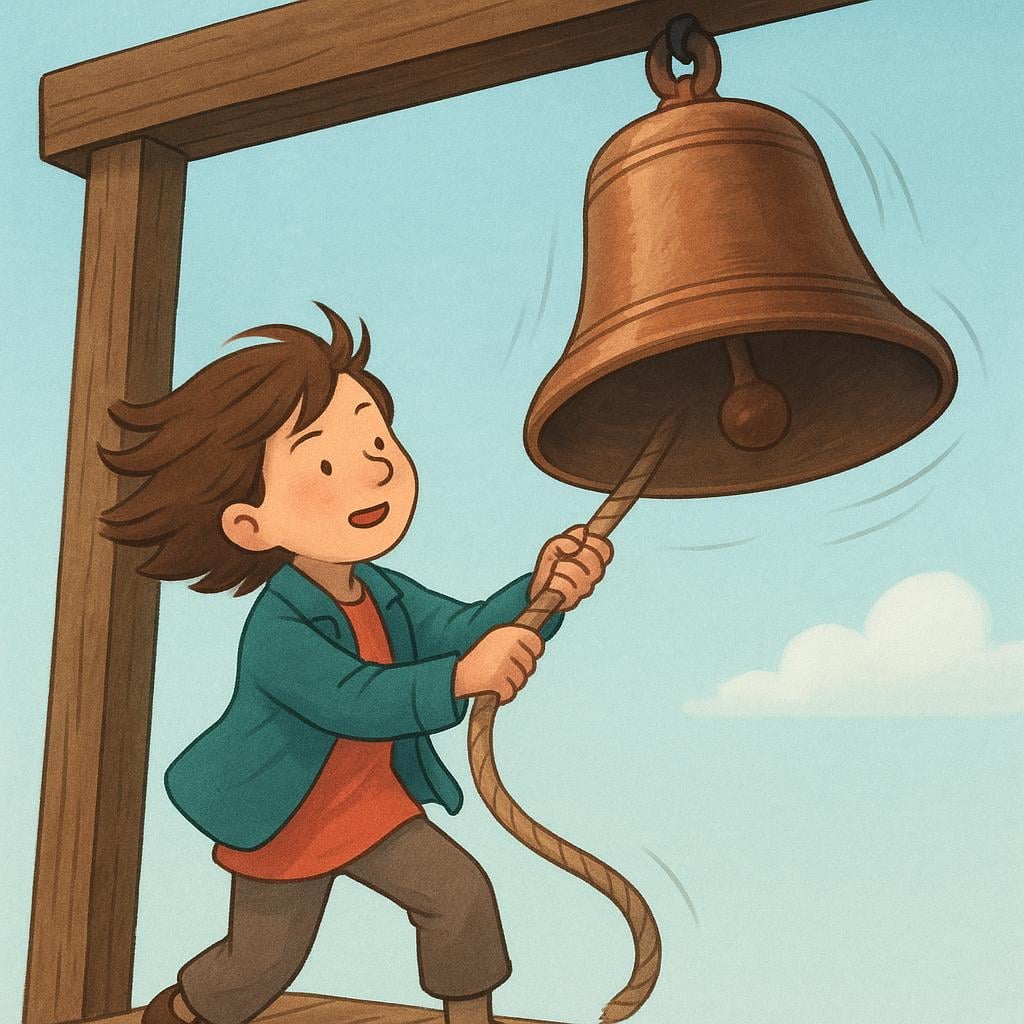
you ringAlso: you show off, you swagger
📝 In Action
Si tú campanas con esa actitud, nadie te va a ayudar.
C2If you show off with that attitude, no one is going to help you.
Me dijeron que tú campanas mejor que nadie en el campanario.
B2They told me that you ring the bells better than anyone in the bell tower.
Word Connections
Subjunctive
Imperfect Subjunctive
Present Subjunctive
Indicative
Preterite
Imperfect
Present
Translate to Spanish
Words that translate to "campanas" in Spanish:
✏️ Quick Practice
Quick Quiz: campanas
Question 1 of 1
Which of these sentences uses 'campanas' as the rare verb conjugation?
📚 More Resources
👥 Word Family
🎵 Rhymes
📚 Etymology
The word comes from the Late Latin term *campana* (bell), which is said to derive its name from the region of Campania, Italy, where the best bell metal was originally sourced and manufactured.
First recorded: Medieval period (around 5th-7th century in Latin, later entering Spanish)
Cognates (Related words)
💡 Master Spanish
Take your Spanish to the next level. Read 200+ illustrated and narrated Spanish stories tailored to your level with the Inklingo app!
Frequently Asked Questions
¿Es 'campanas' siempre femenino?
Yes, 'campanas' is always feminine. It is the plural of the feminine noun 'campana'. Even when referring to the verb form, the root is feminine, but the word itself does not have a gender as a verb conjugation.
What is the difference between 'campana' and 'campanilla'?
'Campana' is a standard or large bell (like a church bell). 'Campanilla' means 'little bell' or 'handbell', used for smaller, often decorative bells.