canalla
“canalla” means “scoundrel” in Spanish. It has 2 different meanings depending on context:

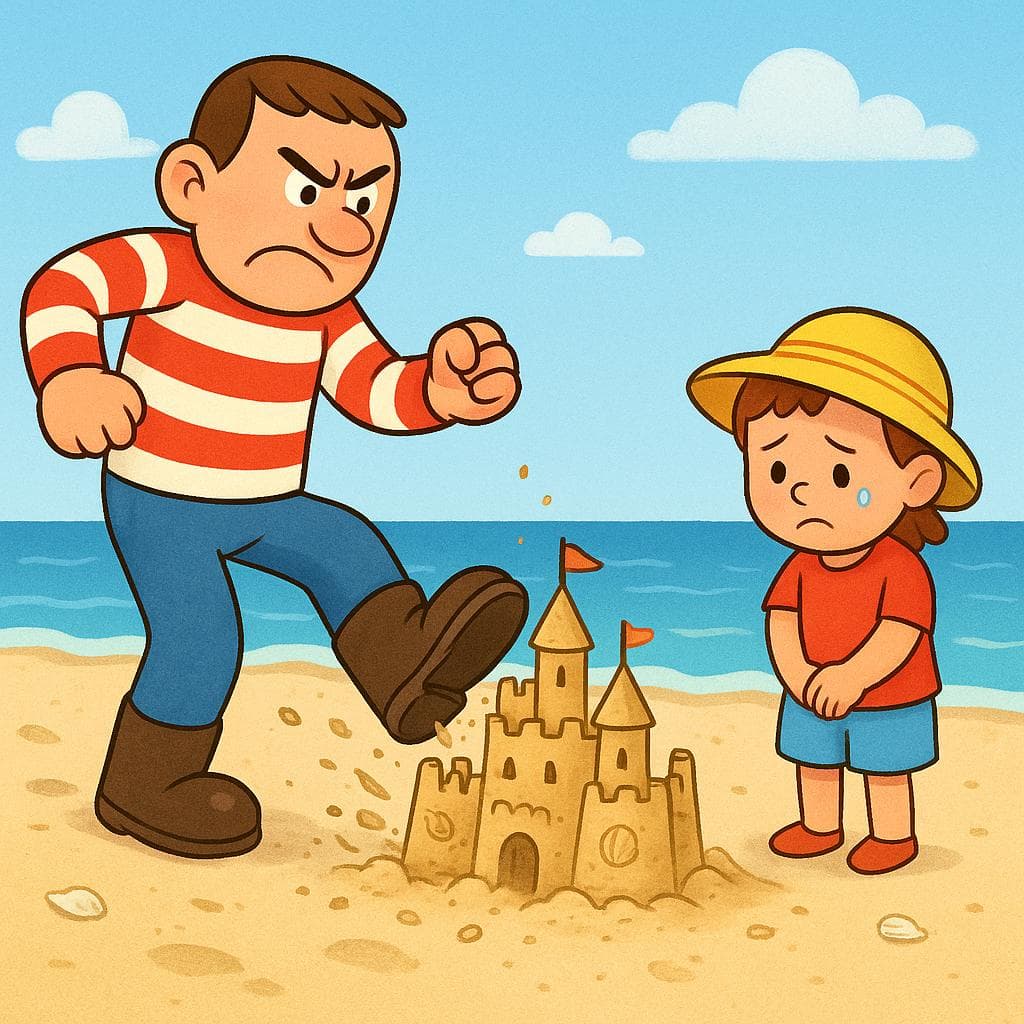
scoundrel, villainAlso: rogue, swine

📝 In Action
El presidente de la compañía resultó ser un canalla que robó a sus empleados.
B2The president of the company turned out to be a scoundrel who stole from his employees.
¡Eres una canalla por haber mentido así!
B1You are a villain for having lied like that!
Word Connections
despicable, vileAlso: dishonorable
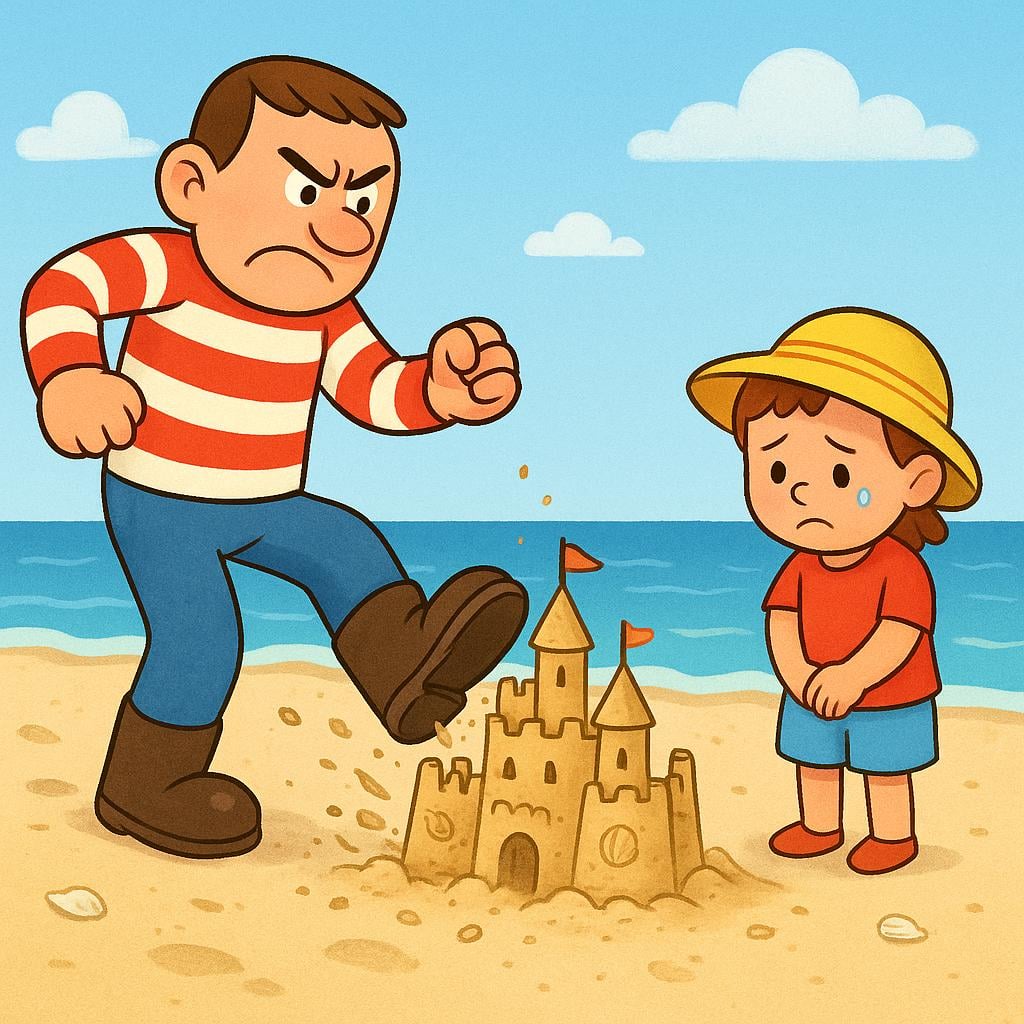
📝 In Action
Fue un gesto canalla dejar a su amigo solo en el problema.
C1It was a despicable gesture to leave his friend alone with the problem.
Su comportamiento canalla en la reunión ofendió a todos.
C1His vile behavior at the meeting offended everyone.
Word Connections
Translate to Spanish
Words that translate to "canalla" in Spanish:
✏️ Quick Practice
Quick Quiz: canalla
Question 1 of 2
Which sentence uses 'canalla' correctly as an adjective?
📚 More Resources
👥 Word Family
📚 Etymology
The word comes from the Italian *canaglia*, which originally meant 'pack of dogs' or 'rabble' (the lowest class of people). It ultimately traces back to the Latin word *canis*, meaning 'dog.' Its meaning shifted over time from describing the poor masses to describing people of low moral character.
First recorded: 17th century (in Spanish)
Cognates (Related words)
💡 Master Spanish
Take your Spanish to the next level. Read 200+ illustrated and narrated Spanish stories tailored to your level with the Inklingo app!
Frequently Asked Questions
Does 'canalla' change its ending for men and women?
No, the word 'canalla' itself always ends in -a. If you are talking about a man, you say 'el canalla,' and if you are talking about a woman, you say 'la canalla.' The ending stays the same, but the word defining the person's gender (like 'el' or 'la') changes.