capa
“capa” means “cape” in Spanish. It has 3 different meanings depending on context:
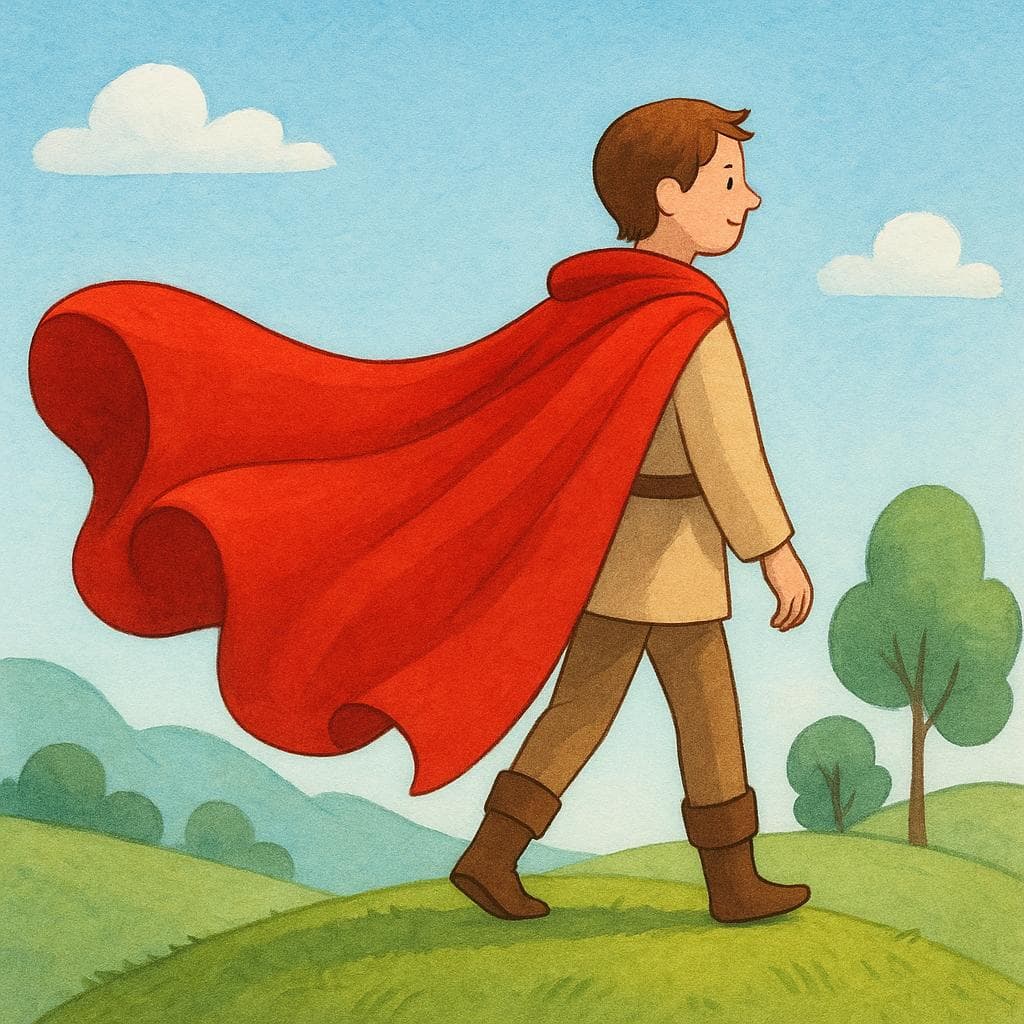
cape, cloakAlso: mantle
📝 In Action
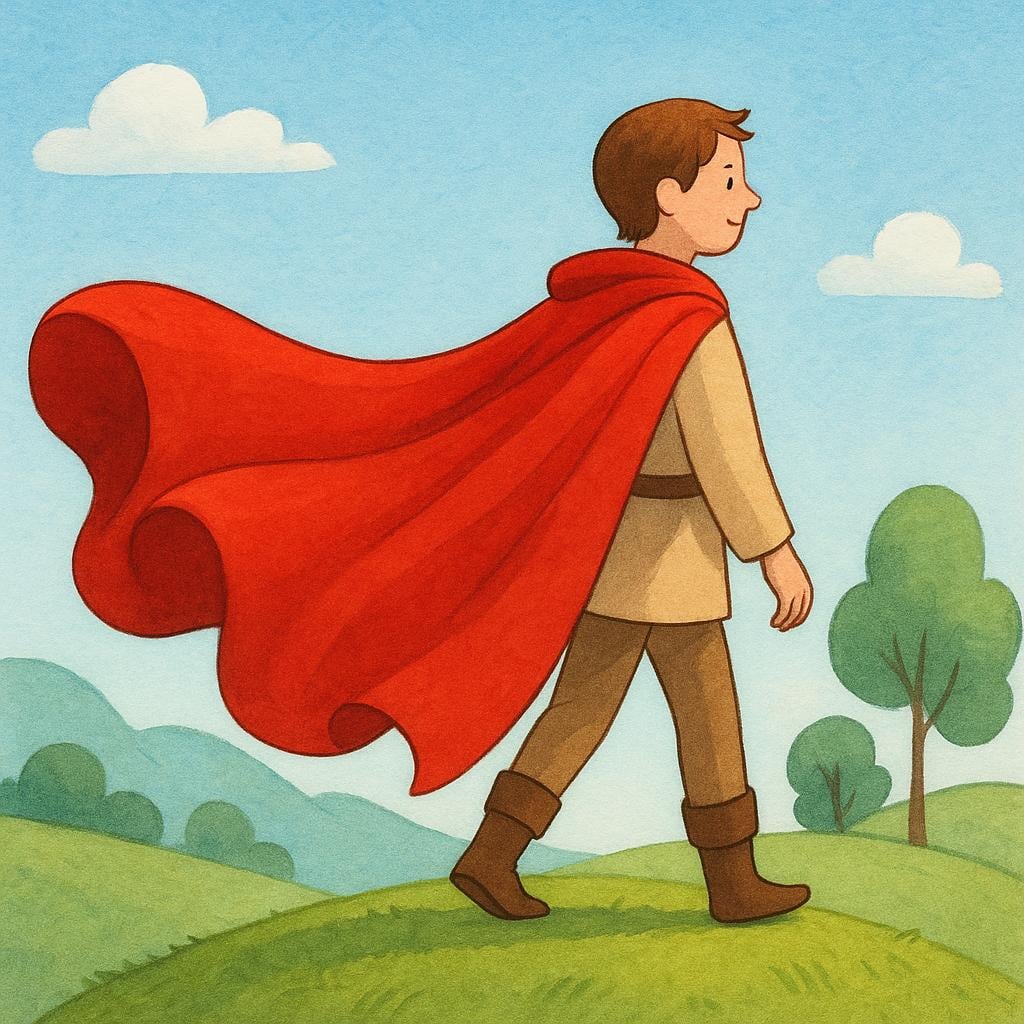
El mago llevaba una capa negra muy larga.
A2The magician was wearing a very long black cape.
Necesitas ponerte una capa si hace mucho frío.
B1You need to put on a cloak if it's very cold.
Word Connections
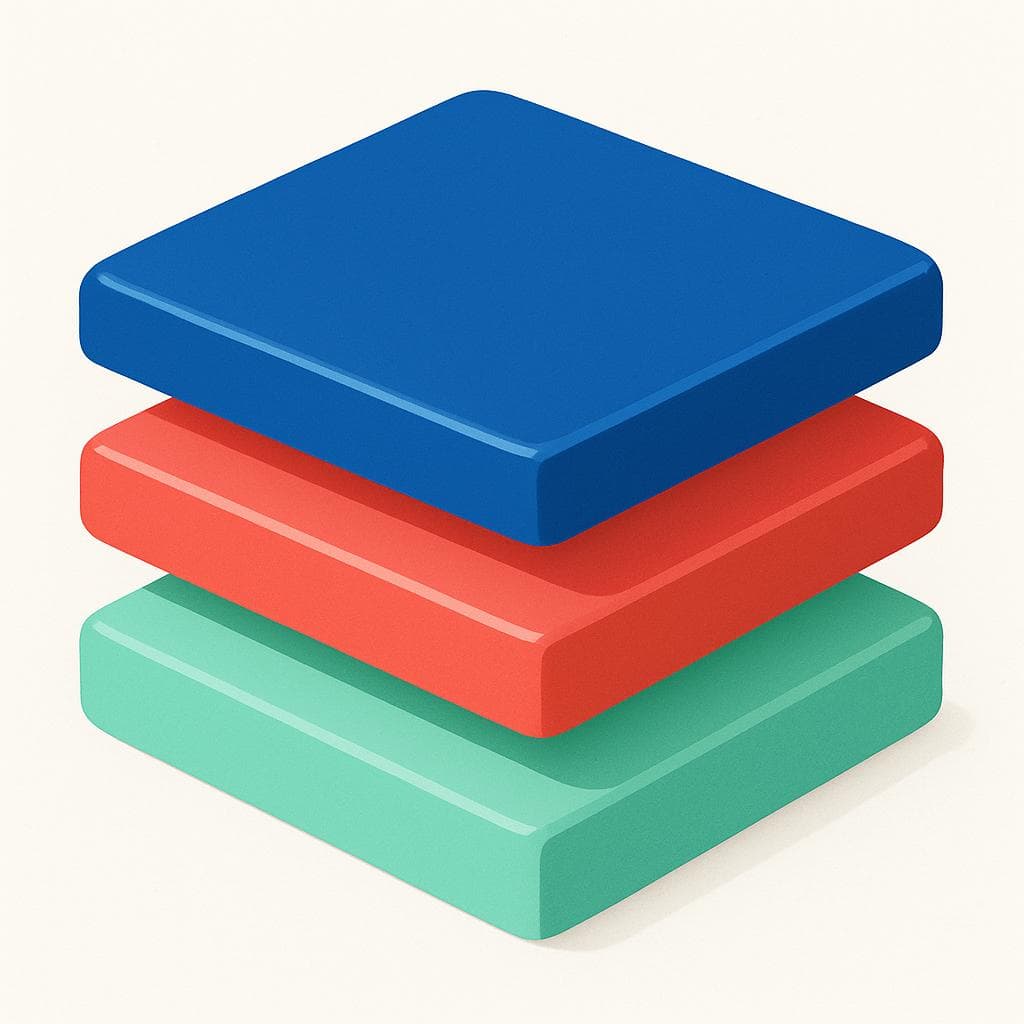
layer, coatAlso: film

📝 In Action
Hay una capa de polvo muy gruesa sobre la mesa.
A2There is a very thick layer of dust on the table.
Necesitamos aplicar otra capa de pintura para que quede bien.
B1We need to apply another coat of paint so that it looks good.
La Tierra tiene varias capas, incluyendo la atmósfera.
B2The Earth has several layers, including the atmosphere.
Word Connections
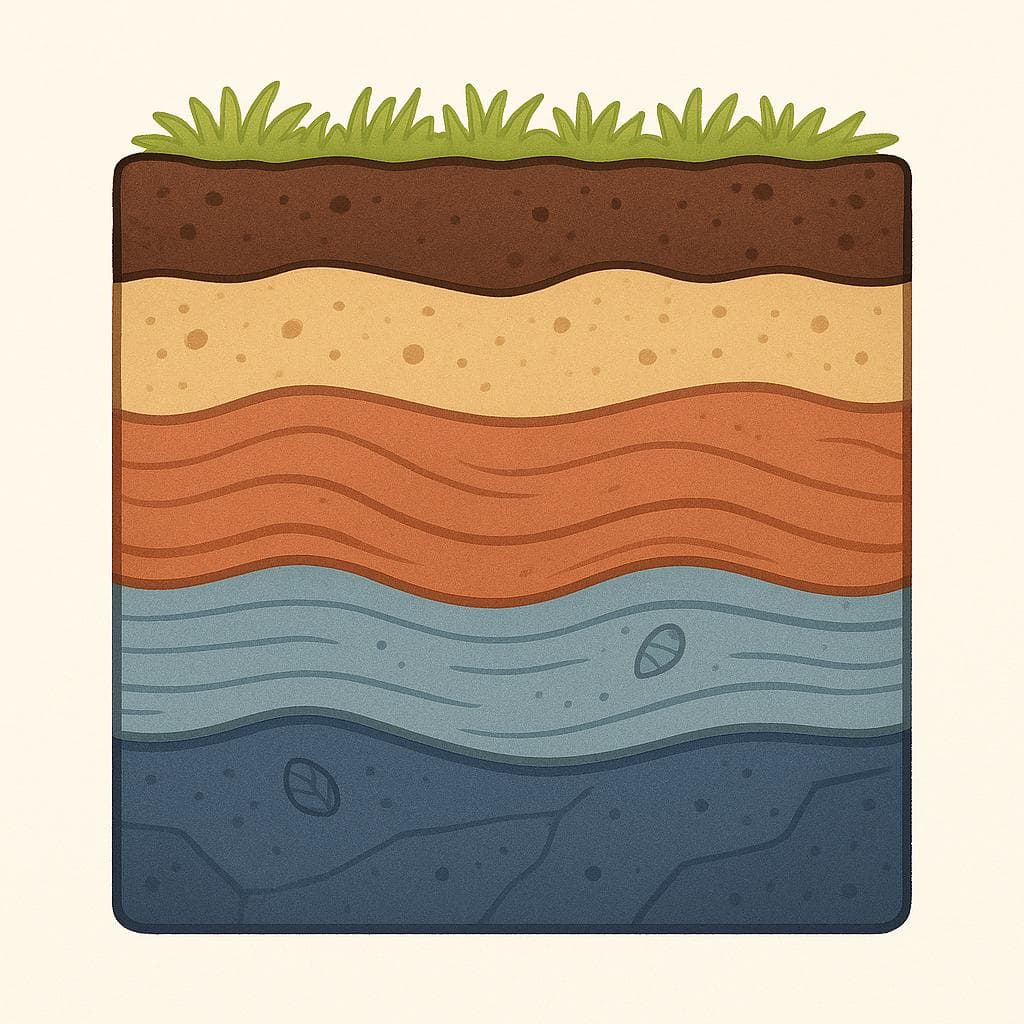
stratumAlso: social class, tier

📝 In Action
La población se divide en distintas capas sociales.
C1The population is divided into different social strata (classes).
Los arqueólogos estudiaron las capas de roca para datar el artefacto.
B2The archaeologists studied the rock layers to date the artifact.
Word Connections
Translate to Spanish
✏️ Quick Practice
Quick Quiz: capa
Question 1 of 2
Which sentence uses 'capa' in its meaning of a protective covering, not a piece of clothing?
📚 More Resources
👥 Word Family
📚 Etymology
The word comes from Vulgar Latin *cappa*, which originally referred to a hooded cloak or head covering. It later expanded its meaning to include any kind of covering or layer.
First recorded: Around the 10th or 11th century in Spanish.
Cognates (Related words)
💡 Master Spanish
Take your Spanish to the next level. Read 200+ illustrated and narrated Spanish stories tailored to your level with the Inklingo app!
Frequently Asked Questions
Is 'capa' the same as 'abrigo'?
Not exactly. 'Abrigo' is the general word for a coat or jacket used for warmth. 'Capa' specifically refers to a cape or cloak—a loose, sleeveless garment that covers the shoulders and back. However, both can mean 'outer covering' in a figurative sense.
How do I say 'coat of arms'?
The term for 'coat of arms' is 'escudo de armas'. While 'capa' relates to clothing, it is not used in this specific heraldic phrase.