caramelo
“caramelo” means “candy” in Spanish. It has 2 different meanings depending on context:

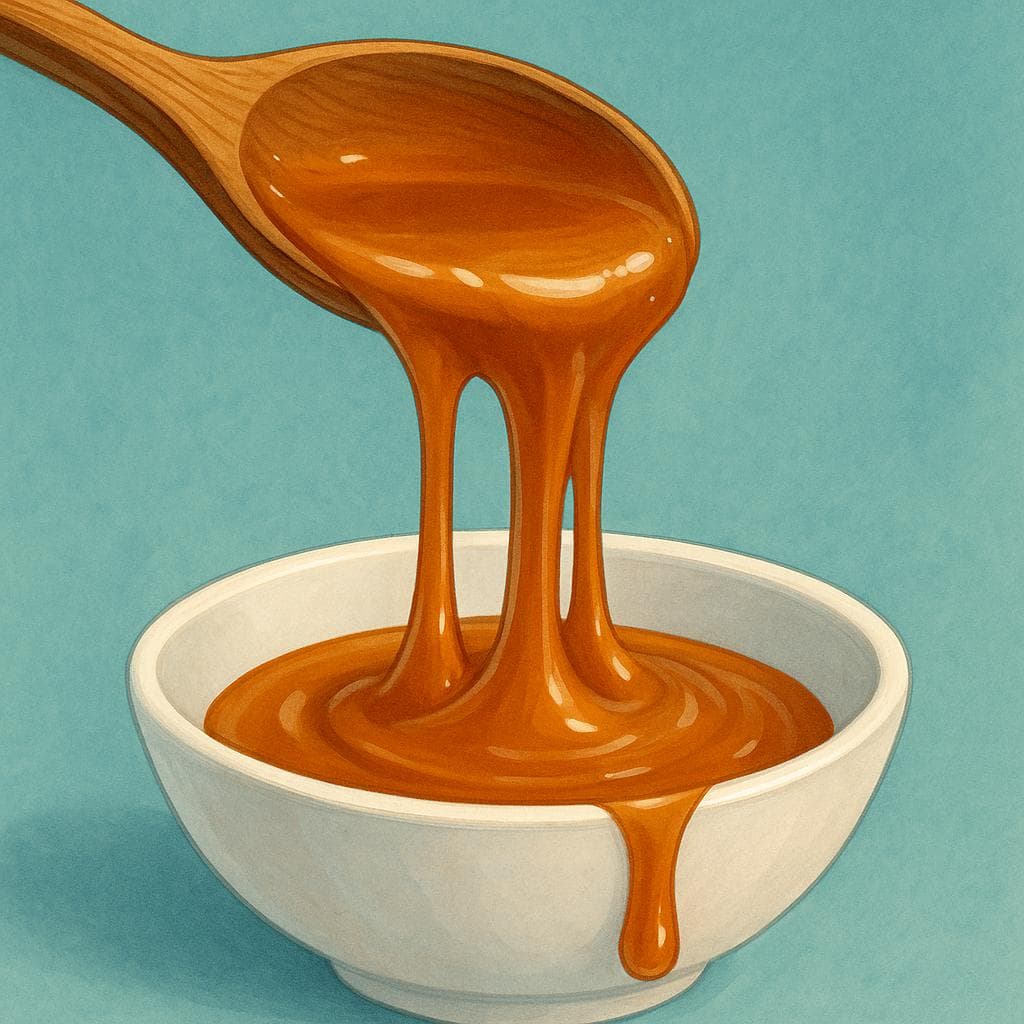
candy, sweetAlso: lozenge

📝 In Action
Mi abuela siempre tiene caramelos de menta en su bolso.
A1My grandmother always has mint candies in her purse.
No comas tantos caramelos antes de la cena.
A2Don't eat so many sweets before dinner.
Este caramelo es para la tos, no es muy dulce.
A2This lozenge is for the cough, it's not very sweet.
Word Connections
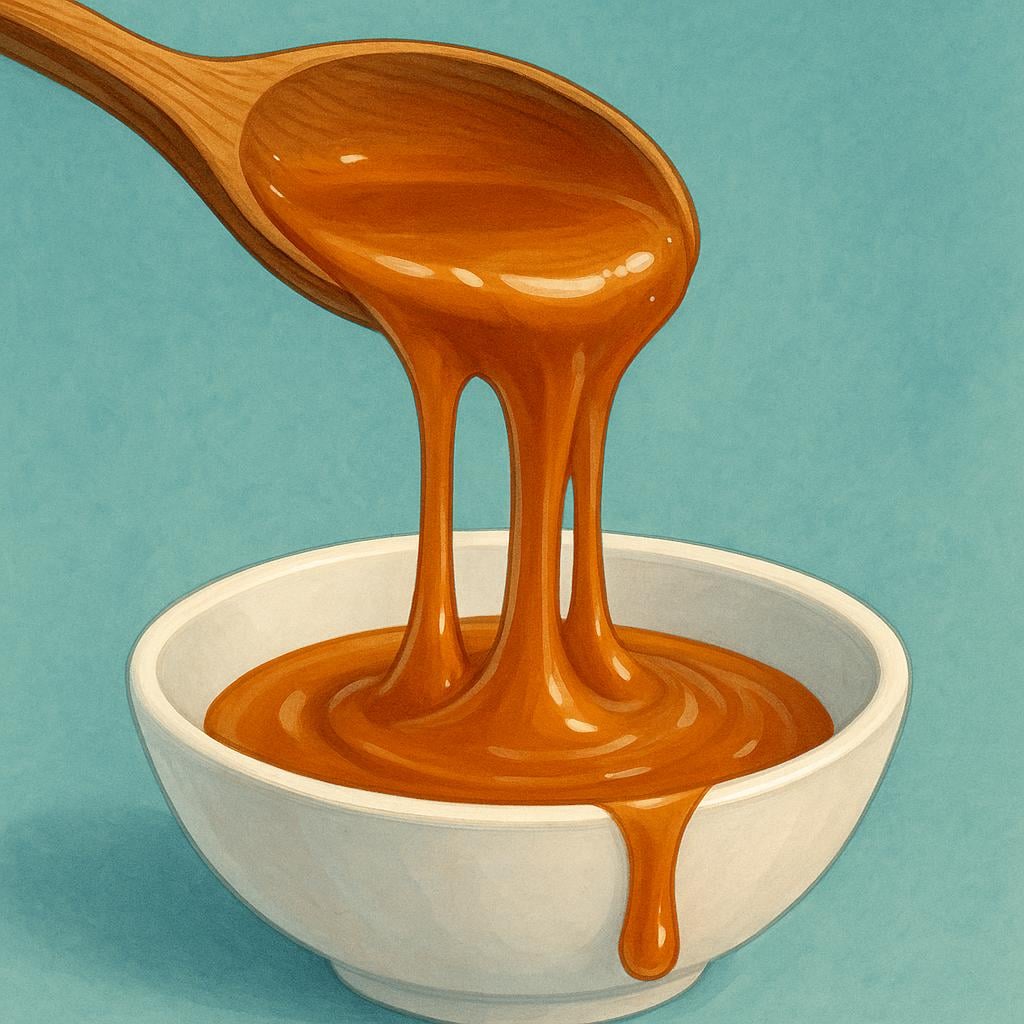
caramelAlso: caramel coating
📝 In Action
El flan tiene una capa de caramelo por encima.
B1The flan has a layer of caramel on top.
Necesitas calentar el azúcar hasta que se convierta en caramelo líquido.
B2You need to heat the sugar until it turns into liquid caramel.
Word Connections
Translate to Spanish
Words that translate to "caramelo" in Spanish:
🗣️ Practice in a Tongue Twister
✏️ Quick Practice
Quick Quiz: caramelo
Question 1 of 1
Which sentence uses 'caramelo' to refer to a dessert ingredient, rather than a single piece of candy?
📚 More Resources
👥 Word Family
📚 Etymology
The word comes from the Late Latin term 'canna mellis' (sugar cane) or potentially from the Arabic 'kura mu'alla' (sweet ball). It entered Spanish via Portuguese, evolving to describe the hardened, caramelized sugar we know today.
First recorded: 16th century
Cognates (Related words)
💡 Master Spanish
Take your Spanish to the next level. Read 200+ illustrated and narrated Spanish stories tailored to your level with the Inklingo app!
Frequently Asked Questions
How do I say 'lollypop' in Spanish?
While 'caramelo' is sometimes used, the most common and universally understood terms are 'piruleta' (Spain) or 'paleta' (Mexico/Central America). They specify that the candy is on a stick.
Is 'caramelo' only used for hard candy?
No. While it primarily means hard candy, it can refer to soft toffee ('caramelo blando') or even gummy bears in some regions, though 'gomitas' is more specific for gummies.