cañones
“cañones” means “cannons” in Spanish. It has 3 different meanings depending on context:
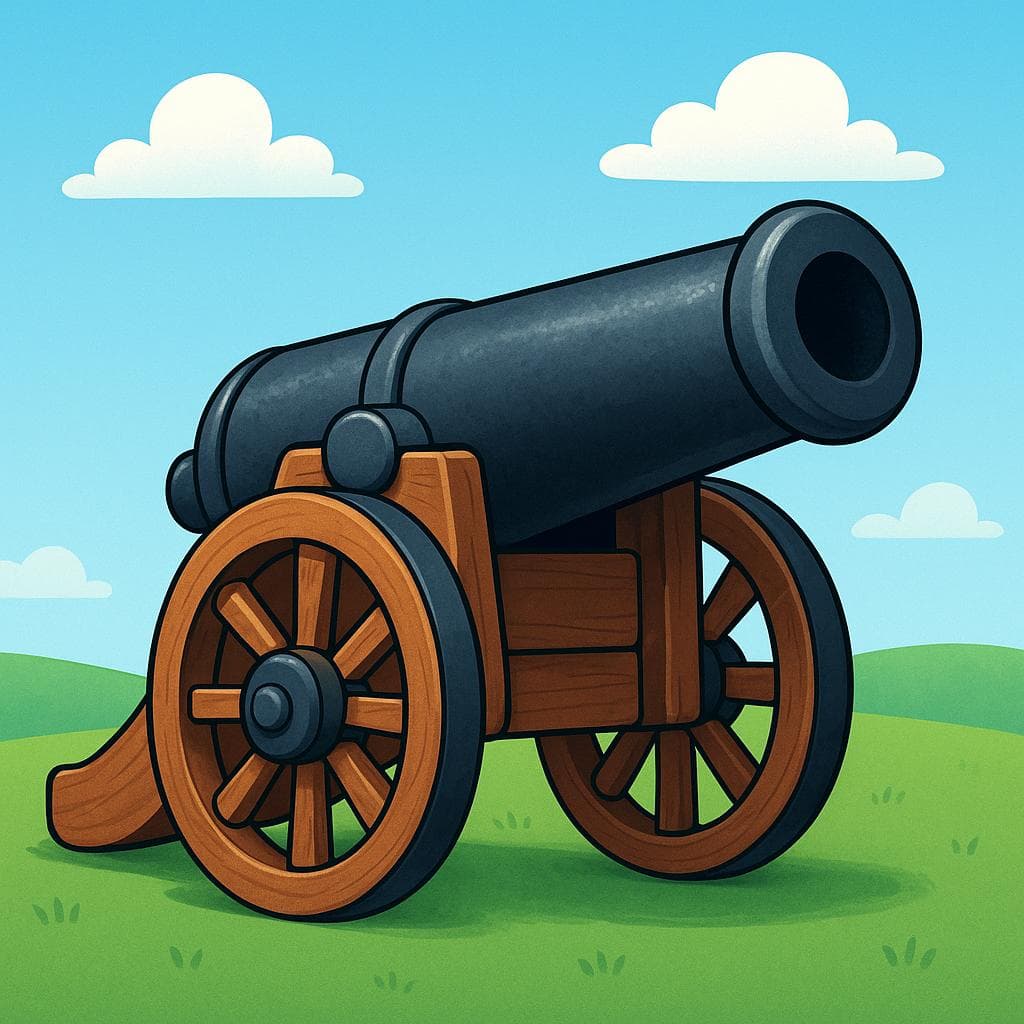


cannons
Also: guns, artillery pieces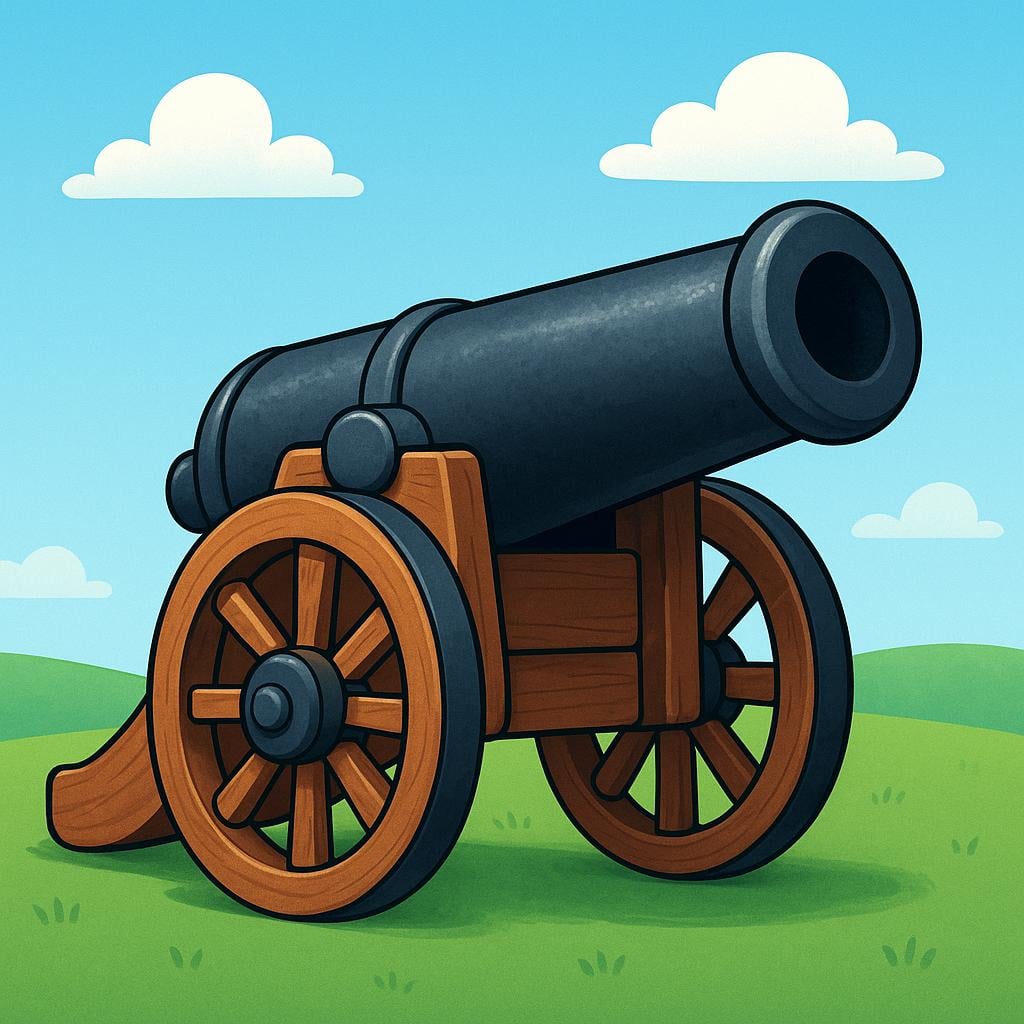
📝 In Action
Los cañones antiguos del castillo todavía miran hacia el mar.
B1The old cannons of the castle still face the sea.
El barco de guerra encendió sus cañones contra el enemigo.
B2The warship fired its cannons against the enemy.
canyons
Also: gorges
📝 In Action
Los cañones del río Colorado son impresionantes.
A2The canyons of the Colorado River are stunning.
Haremos senderismo por los cañones más profundos de la sierra.
B1We will hike through the deepest gorges in the mountain range.
shots
Also: spirit measures
📝 In Action
Nos tomamos unos cañones de ron después de cenar.
C1We had a few shots of rum after dinner.
¿Pedimos dos cañones más antes de irnos?
C1Shall we order two more shots before we go?
Translate to Spanish
Words that translate to "cañones" in Spanish:
artillery pieces→cannons→canyons→gorges→spirit measures→✏️ Quick Practice
Quick Quiz: cañones
Question 1 of 2
Which meaning of 'cañones' is most likely being used in the sentence: 'El guía nos llevó a ver los cañones de agua caliente.'
📚 More Resources
👥 Word Family▼
📚 Etymology▼
The word comes from the Latin 'canna,' meaning 'reed' or 'tube.' This original meaning explains why 'cañones' can refer to anything long and hollow, whether it's a weapon, a deep valley carved by water, or even a pipe.
First recorded: 14th century
Cognates (Related words)
💡 Master Spanish
Take your Spanish to the next level. Read 200+ illustrated and narrated Spanish stories tailored to your level with the Inklingo app!
Frequently Asked Questions
How do I know if 'cañones' means 'canyons' or 'cannons'?
The context is key! If you are talking about nature, geography, or hiking, it means 'canyons.' If you are talking about war, history, or military ships, it means 'cannons.' They are pronounced and spelled exactly the same.
Is 'cañones' related to the word 'caño'?
Yes, both words share the same root meaning 'tube' or 'pipe.' 'Caño' often refers to a smaller pipe, drain, or faucet, while 'cañón' refers to a much larger, more significant tube (like a weapon barrel or a deep valley).