cepillo
“cepillo” means “brush” in Spanish. It has 3 different meanings depending on context:
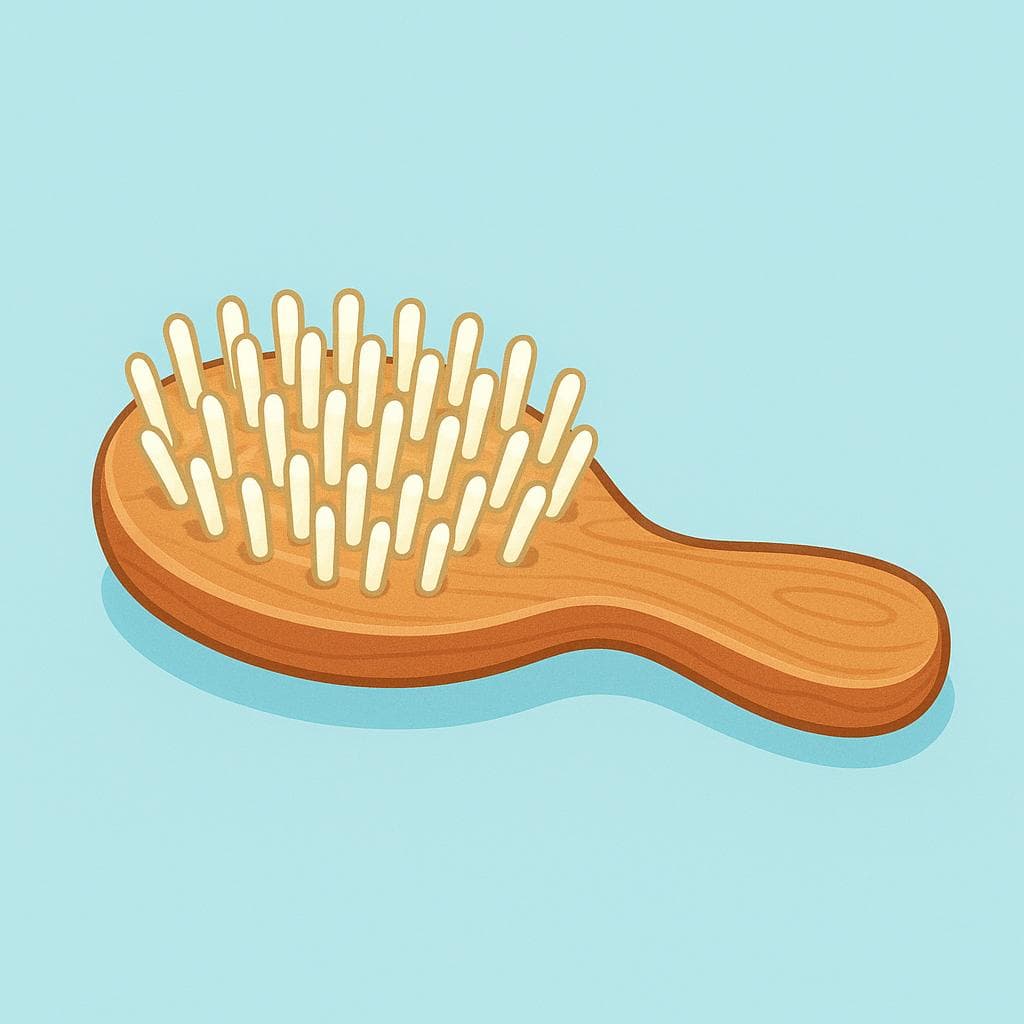
brush
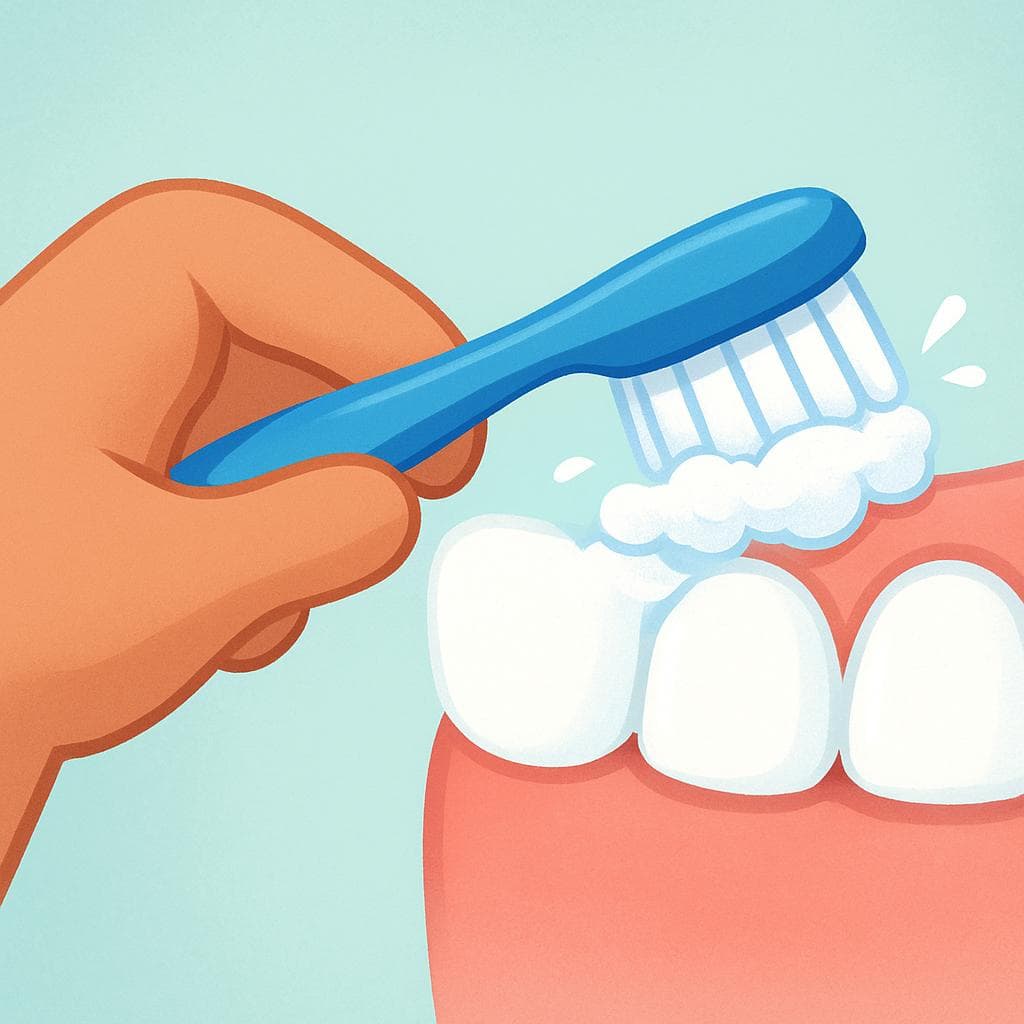
Also: toothbrush, hairbrush, clothes brush
📝 In Action
Perdí mi cepillo de dientes en el viaje.
A1I lost my toothbrush on the trip.
Pásale el cepillo a ese abrigo para quitarle las pelusas.
A2Brush that coat to remove the lint.
Siempre llevo un cepillo pequeño en mi bolso.
A1I always carry a small brush in my purse.
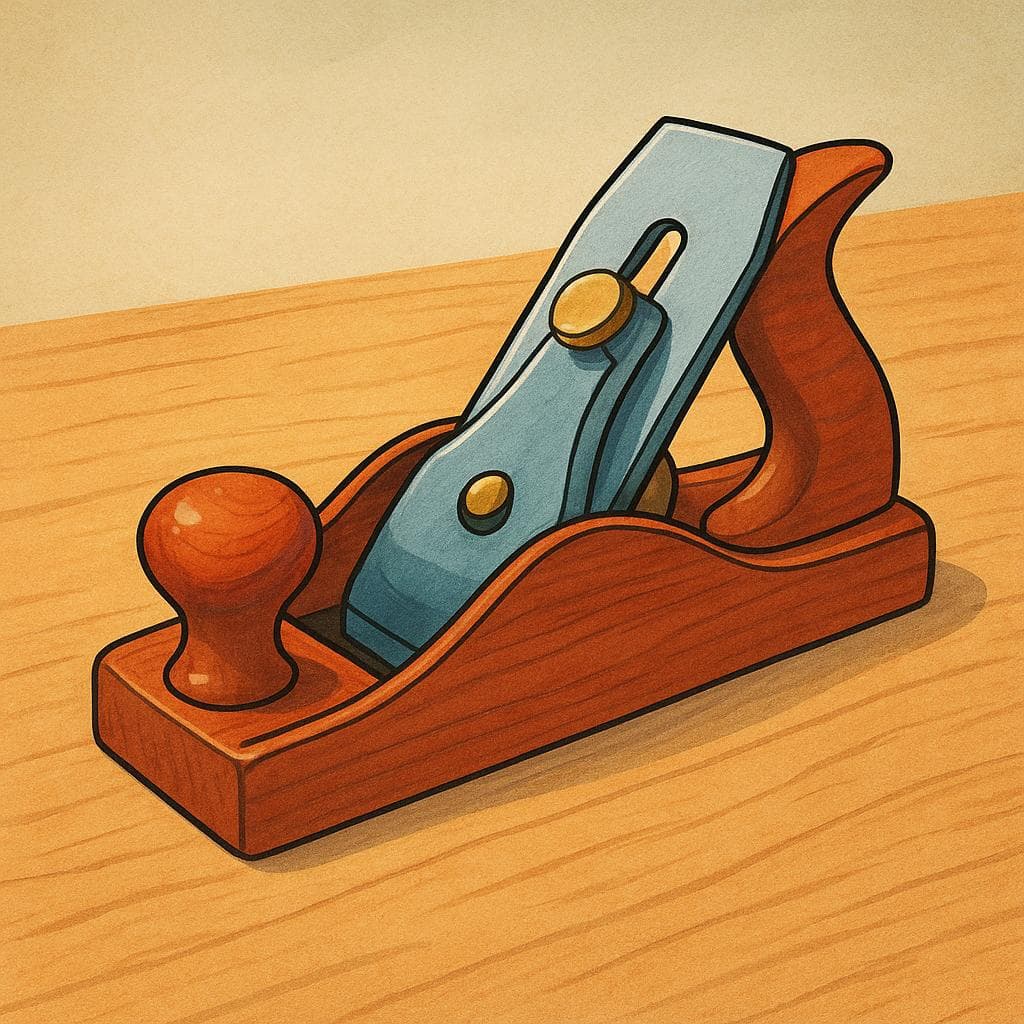
plane
Also: hand plane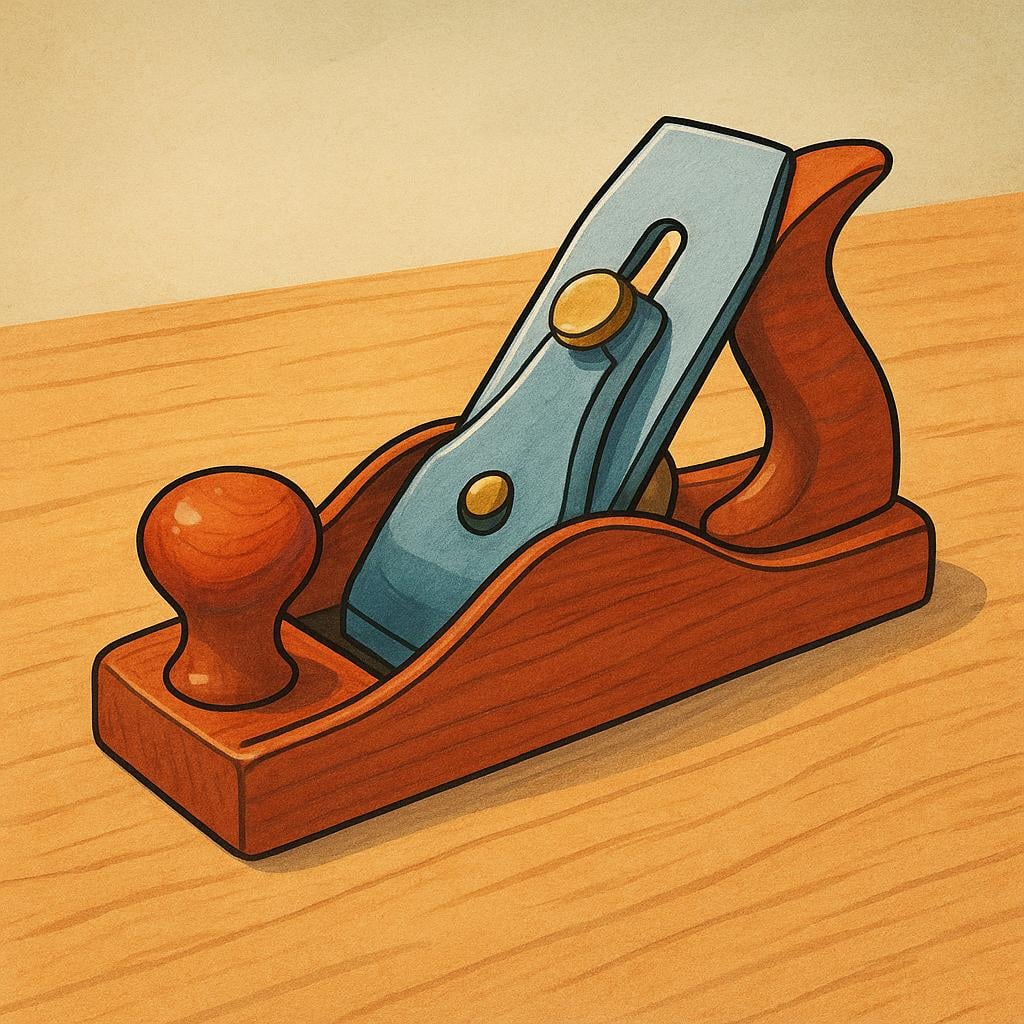
📝 In Action
El carpintero usó el cepillo para dejar la tabla perfectamente lisa.
B1The carpenter used the plane to leave the board perfectly smooth.
Necesitamos afilar la cuchilla del cepillo.
B2We need to sharpen the blade of the plane.
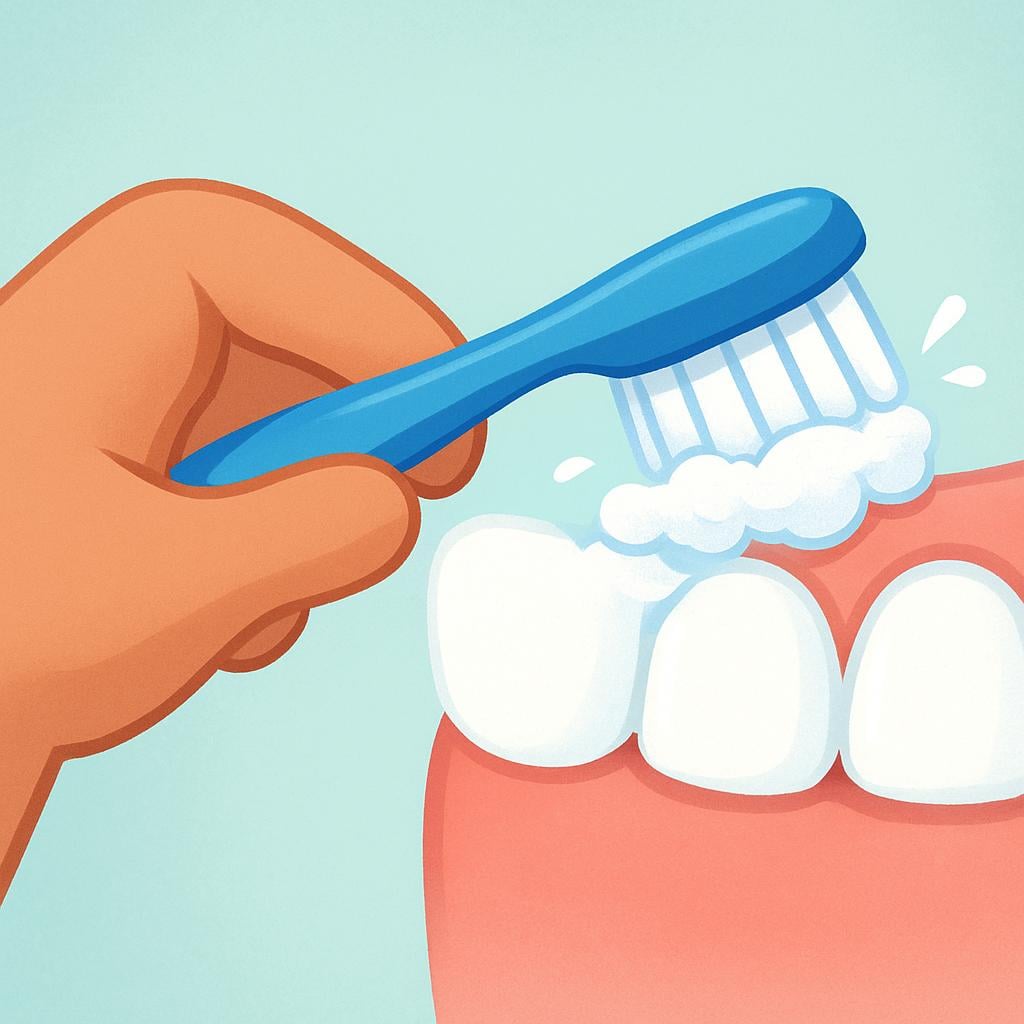
I brush
📝 In Action
Yo cepillo mi pelo dos veces al día.
A1I brush my hair twice a day.
¿Qué cepillo yo ahora, la alfombra o el sillón?
A2What do I brush now, the rug or the armchair?
Indicative
Preterite
Present
Imperfect
Subjunctive
Present Subjunctive
Imperfect Subjunctive
Translate to Spanish
Words that translate to "cepillo" in Spanish:
brush→clothes brush→hairbrush→hand plane→i brush→plane→toothbrush→✏️ Quick Practice
Quick Quiz: cepillo
Question 1 of 2
Which sentence correctly uses the noun form of 'cepillo'?
📚 More Resources
👥 Word Family▼
📚 Etymology▼
The word comes from the verb 'cepillar,' which itself likely evolved from a Latin root related to 'cippus,' meaning a stake or block of wood. It originally referred to the action of smoothing wood (using a plane), and later expanded to mean cleaning or grooming with bristles.
First recorded: 15th century
Cognates (Related words)
💡 Master Spanish
Take your Spanish to the next level. Read 200+ illustrated and narrated Spanish stories tailored to your level with the Inklingo app!
Frequently Asked Questions
How do I know if 'cepillo' means 'brush' or 'I brush'?
If 'cepillo' is used with 'el' or 'un' (El cepillo, Un cepillo), it is the noun (the tool). If it follows 'yo' (Yo cepillo), it is the verb form meaning 'I brush'.
Is 'cepillo' used for electric toothbrushes?
Yes. You would usually say 'cepillo de dientes eléctrico' or sometimes just 'cepillo eléctrico'.